
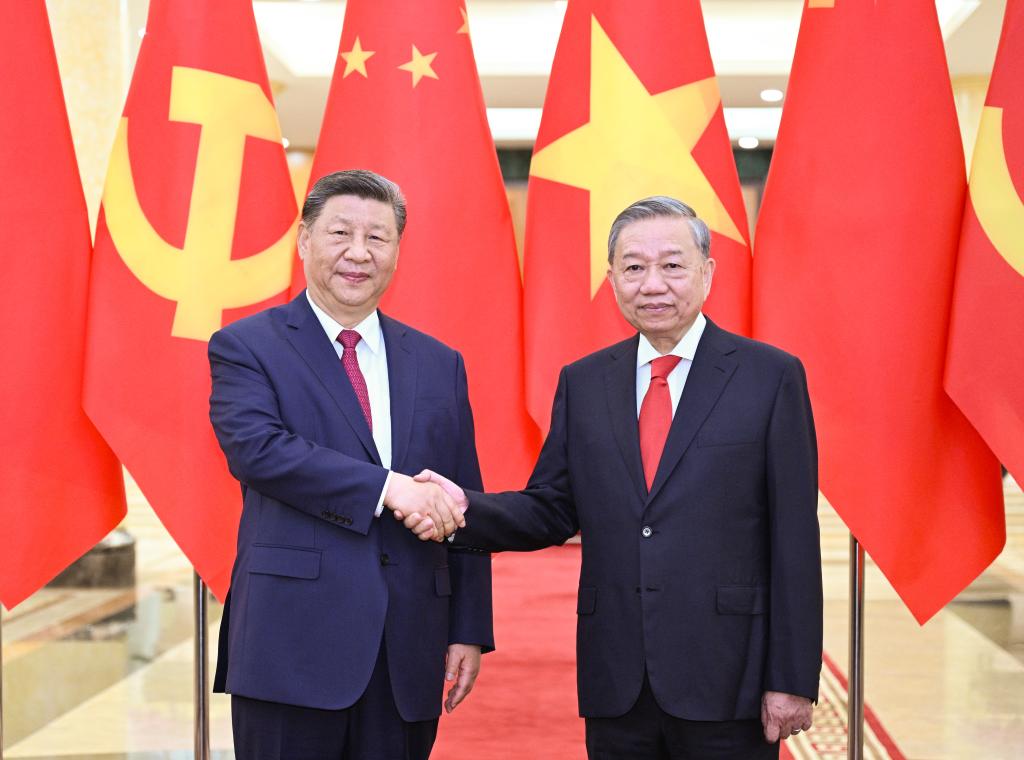
Chinese President Xi Jinping has concluded a highly productive three-nation Southeast Asian tour, returning to Beijing on Friday after state visits to Vietnam, Malaysia, and Cambodia. The trip, widely hailed for its diplomacy and development agenda, resulted in the signing of more than 100 cooperation documents, spanning politics, economy, defense, and technology.
The tour, taking place against the backdrop of global economic turbulence and U.S.-led trade tensions, reinforced China’s image as a reliable and stabilizing force in the region. According to officials and analysts, the Xi Southeast Asia tour cooperation represents a significant advancement in China’s strategy to strengthen ties with its neighbors and support the rules-based international order.
Key Diplomatic Outcomes
- Vietnam: Launch of a China-Vietnam railway cooperation mechanism and establishment of a “3+3” ministerial dialogue covering diplomacy, defense, and public security.
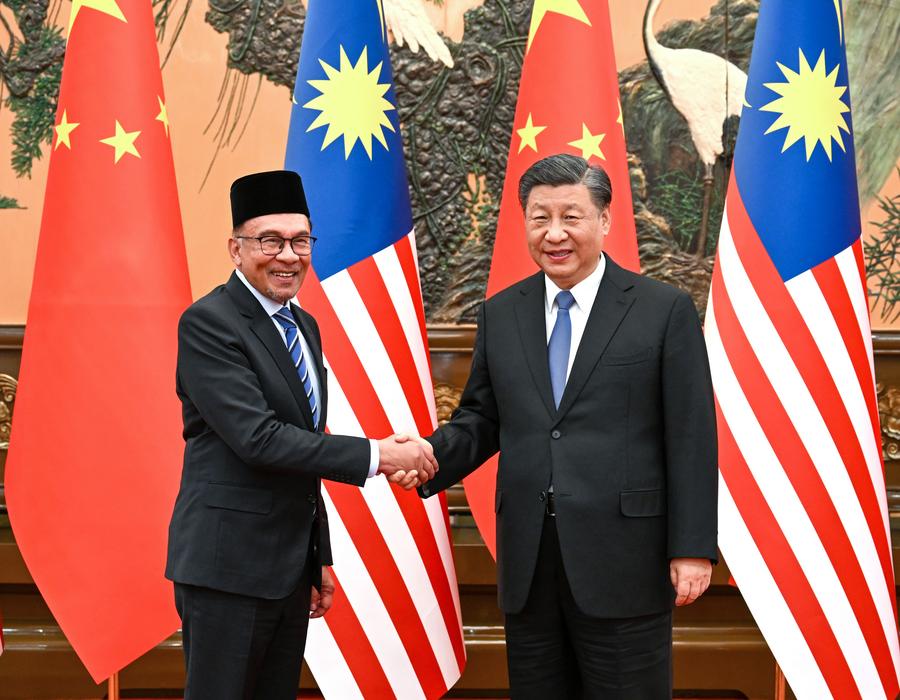
- Malaysia: Signing of a mutual visa exemption agreement and reaffirmation of support for ASEAN centrality as Malaysia takes over as chair of ASEAN in 2025.
- Cambodia: Agreement on the Funan Techo Integrated Water Resources Management Project, focusing on sustainable development and improved water infrastructure.
Each country voiced strong support for China’s efforts to promote regional unity and resist rising protectionism. In Phnom Penh, Cambodian Prime Minister Hun Manet praised China for offering “valuable stability” amid global economic shocks. In Malaysia, Prime Minister Anwar Ibrahim welcomed China’s alignment with ASEAN’s goals of openness and free trade.
Strategic and Economic Integration
Foreign Minister Wang Yi emphasized that Xi’s visit had “elevated bilateral cooperation to new heights,” with a focus on:
- Belt and Road Initiative alignment
- Digital and green economy collaboration
- Technological innovation, including AI
- Regional security and defense mechanisms
New platforms for defense dialogue were also established between China and both Malaysia and Cambodia, while scientific and technological cooperation emerged as a prominent feature of the agreements.
Experts Praise Long-Term Vision
According to Du Lan of the China Institute of International Studies, these strengthened partnerships will help participating countries expand markets, stabilize supply chains, and navigate global economic uncertainty. Xu Liping of the Chinese Academy of Social Sciences added that the trip underlined China’s firm support for ASEAN’s leadership role in regional affairs.
“This visit sends a strong message of cooperation and shared development, which will bring more certainty to the region and the world economy,” Xu said.
The Xi Southeast Asia tour cooperation success underscores China’s broader diplomatic goal: to shape a stable, multilateral regional order rooted in economic inclusivity, mutual respect, and sustainable development.