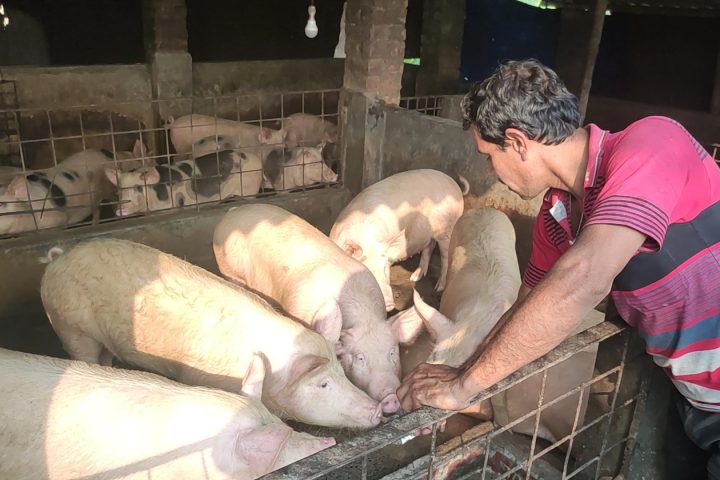

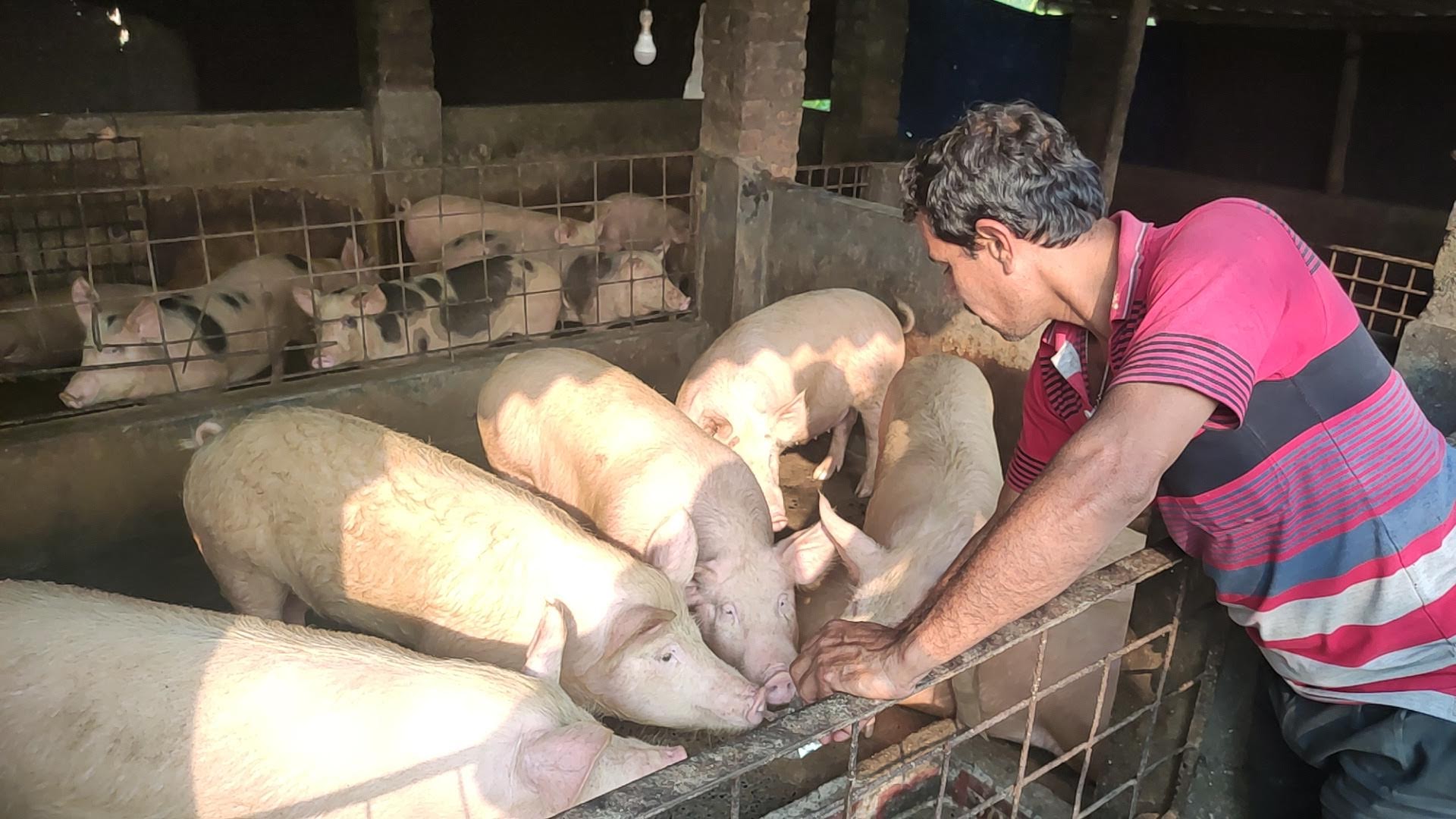
Bhutan pig farmers are set to receive new government support measures as authorities respond to growing concerns over rising pork prices, market instability, and financial losses affecting livestock producers across the country.
The government announced several initiatives aimed at stabilising the piggery sector, protecting farmers from losses, and improving the long-term sustainability of livestock farming in Bhutan.
Officials say the challenges facing Bhutan pig farmers are linked not only to supply issues but also to market distortions caused by hoarding and artificial price increases.
Bhutan Pig Farmers Facing Financial Pressure
The issue was raised during parliamentary discussions after concerns emerged about unsold pork products and rising financial pressure on farmers who invested heavily in pig farming.
Sergithang–Tsirang Toed Member of Parliament Lhakpa Tshering Tamang questioned the government about its plans to protect farmers suffering losses from unsold pork and unstable market conditions.
He warned that many pig farmers, especially in Tsirang district, had borrowed money to expand their livestock businesses and now faced growing financial difficulties.
According to the government, piggery farming supports thousands of rural households nationwide. Out of more than 66,000 agricultural households in Bhutan, over 4,300 are directly involved in pig farming.
The MP said the challenges are affecting several districts, including Tsirang, Samtse, Sarpang, Dagana, Chukha, and Samdrupjongkhar.
Government Announces Support Measures
Agriculture and Livestock Minister Younten Phuntsho told parliament that the government plans to strengthen support for livestock businesses through the Bhutan Livestock Development Corporation Limited.
The ministry intends to support around 800 metric tonnes of livestock products under a programme valued at approximately Nu 33 million.
Officials said the products would also be marketed directly through shops and businesses to improve market access for farmers and reduce supply chain difficulties.
The government believes the livestock sector still offers major economic opportunities despite current challenges. Domestic meat sales in Bhutan are valued at nearly Nu 4 billion, creating strong potential for future industry growth.
Bhutan’s livestock sector remains an important source of employment and income in rural communities, especially for small-scale farmers.
Cold Storage and Processing Facilities Under Review
Lawmakers also questioned whether the government planned to establish cold storage facilities or meat processing centres in southern Bhutan to help farmers preserve and market pork products more effectively.
In response, the agriculture ministry said existing infrastructure is currently being utilised while authorities continue assessing future needs.
Officials stressed that the government wants to avoid building expensive facilities that may later become underused or financially unsustainable.
The ministry said future infrastructure investments would depend on long-term demand and market conditions.
Balancing Consumer Prices and Farmer Protection
One of the government’s biggest challenges is balancing affordable meat prices for consumers while also ensuring farmers remain financially protected.
Authorities acknowledged that rising pork prices have affected consumers, while unstable markets have simultaneously created losses for producers.
The government says future policies will focus on improving market efficiency, supporting private livestock initiatives, and strengthening agricultural supply chains across Bhutan.
Experts believe better storage systems, improved transportation networks, and stronger market coordination could help reduce price fluctuations and improve profitability for Bhutan pig farmers.
Why the Piggery Sector Matters
Piggery farming plays a major role in Bhutan’s rural economy and food supply system. Farmers across 18 dzongkhags are involved in pig production, making it one of the country’s most important livestock industries.
Agricultural experts say supporting livestock farmers is essential for rural development, food security, and economic stability in Bhutan.
As market pressures continue affecting farmers and consumers alike, the government’s latest intervention is expected to play a key role in stabilising the sector and protecting rural livelihoods in the months ahead.