
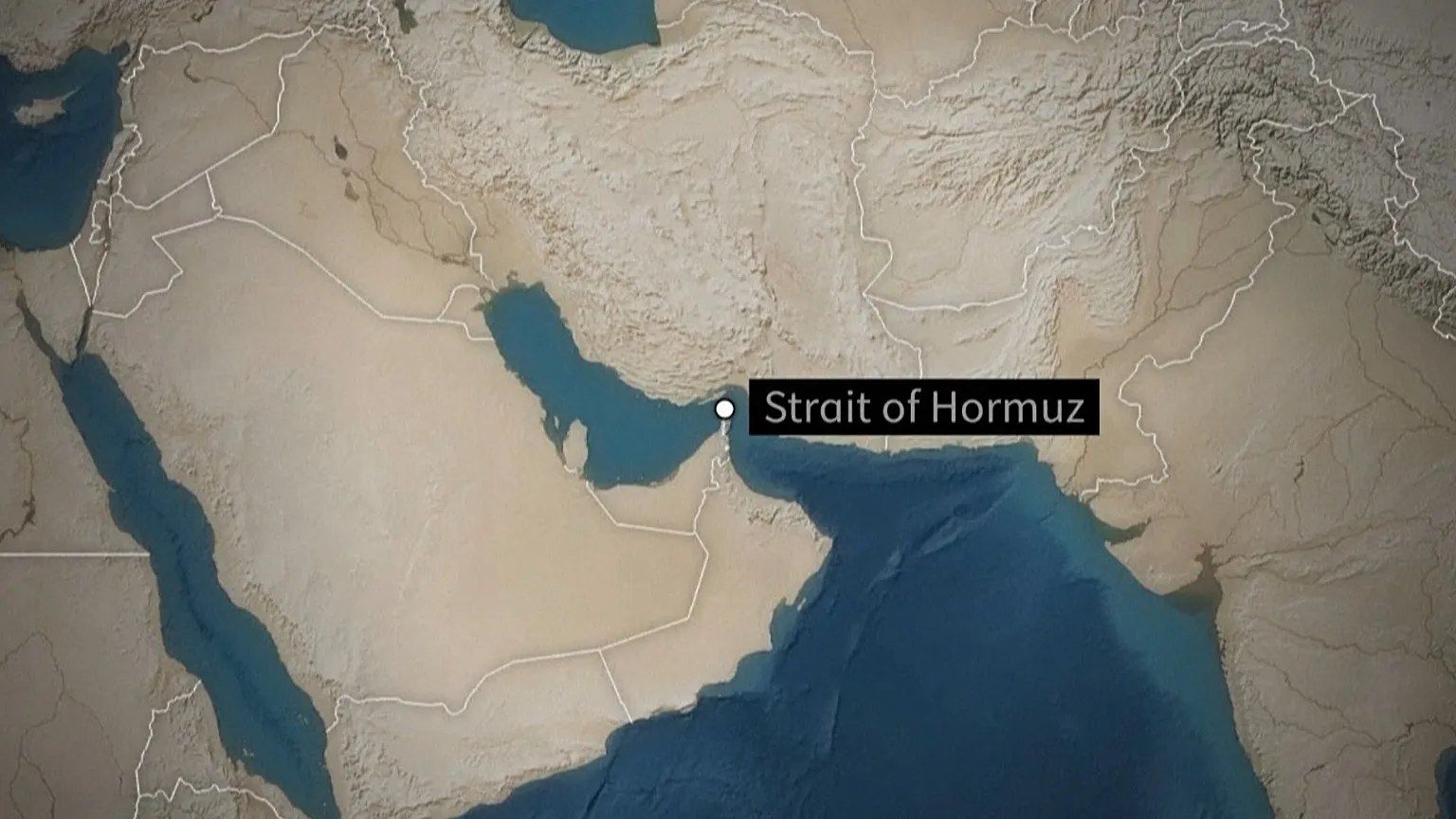
The Strait of Hormuz remains at the center of global attention after two Chinese oil supertankers finally exited the strategic waterway amid growing optimism over a possible agreement between the United States and Iran. The movement comes as Washington signals progress in negotiations while Tehran warns that renewed attacks could trigger wider regional escalation.
Shipping data showed that the Chinese-flagged Yuan Gui Yang and the Hong Kong-flagged Ocean Lily departed the Strait of Hormuz after remaining in Gulf waters for more than two months. Together, the vessels carried approximately four million barrels of crude oil.
Strait of Hormuz Remains Critical to Global Oil Trade
The Strait of Hormuz is one of the world’s most important energy shipping routes, connecting Gulf oil producers to international markets. Any disruption in the region immediately impacts global oil prices, shipping costs, and economic stability.
According to shipping data, the Yuan Gui Yang loaded two million barrels of Iraqi Basrah crude shortly before the conflict involving Iran escalated earlier this year. Meanwhile, the Ocean Lily transported a mix of Qatari al-Shaheen and Iraqi Basrah crude.
The departure of the tankers is being viewed as a positive sign by energy markets, although uncertainty across the region remains high.
US Officials Signal Progress on Iran Talks
Recent comments from senior US officials have fueled expectations that diplomatic negotiations could ease tensions in the Middle East.
US President Donald Trump reportedly told lawmakers that the conflict involving Iran could end “very quickly” and expressed hope for a peaceful resolution. At the same time, Vice President JD Vance stated that discussions between Washington and Tehran were progressing well.
The latest diplomatic developments have helped calm some fears in the oil market, although analysts warn the situation remains highly fragile.
Iran has continued issuing warnings against any future military action. The Islamic Revolutionary Guard Corps stated that further attacks could lead to conflict spreading beyond the Middle East.
Oil Prices Stay Elevated Despite Optimism
Although oil prices eased slightly following the latest diplomatic comments, experts say energy markets are still under significant pressure.
Brent crude briefly dropped to around $110 per barrel after signs of progress in negotiations emerged. However, analysts believe prices could remain elevated even if an agreement is reached because oil supplies may not immediately return to normal levels.
Energy researchers warn that uncertainty surrounding the Strait of Hormuz continues to create risks for global supply chains and transportation networks.
The region’s instability has already affected economies worldwide, with higher fuel prices contributing to inflation and increased living costs in many countries.
Global Economic Concerns Grow
The broader economic impact of tensions around the Strait of Hormuz is becoming increasingly visible. Rising energy prices have pushed up transportation and manufacturing costs across multiple industries.
The United Nations recently lowered global growth projections for the year, citing expensive energy and weaker international trade as major concerns. Low-income households in developing countries are expected to feel the strongest effects as fuel and food prices continue rising faster than wages.
Analysts say the situation demonstrates how heavily the global economy depends on stable energy routes through the Gulf region.
Why the Strait of Hormuz Matters
Roughly a fifth of the world’s oil supply passes through the Strait of Hormuz, making it one of the most strategically important maritime chokepoints on the planet.
Any military escalation, blockade, or shipping disruption in the area can quickly impact international markets, aviation fuel prices, shipping operations, and consumer energy costs.
While the departure of the Chinese supertankers may suggest improving confidence among shipping operators, traders and governments continue closely monitoring developments between Iran, the United States, and regional powers.
The coming weeks are expected to be critical as diplomatic negotiations continue and markets wait to see whether tensions in the Strait of Hormuz will finally begin to ease.