

Indonesia Police Fire Tear Gas Near Universities
Indonesia police fire tear gas near campuses in Bandung has ignited widespread criticism from students and rights groups. The incident escalated tensions already high from nationwide protests over government spending, labour rights, and widening inequality.
Student Protests and Campus Clashes
In Bandung, demonstrations erupted at the Islamic University of Bandung (UNISBA) and Pasundan University after police used tear gas to disperse crowds. Student leaders condemned the action, insisting campuses should remain neutral and safe zones for peaceful assembly.
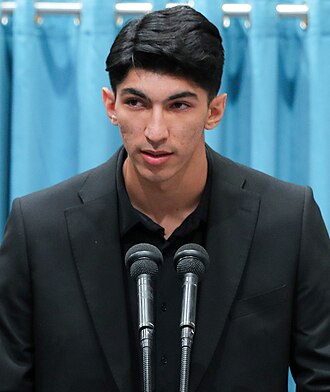
Pasundan University student Yoga Tadiyalaga Ruchiyat voiced outrage, stating that the use of force on educational grounds undermined trust. UNISBA’s rector defended the institution’s neutrality, clarifying that the campus was serving as a medical hub for injured demonstrators.
Government Spending and Public Anger
The protests began in Jakarta over controversial spending policies, particularly enhanced perks for lawmakers. The situation intensified after a police vehicle killed a motorcycle taxi driver, sparking riots and looting in the capital. Jakarta officials reported damages worth $3.4 million as unrest spread to other regions.
President Prabowo Subianto, who marks his first year in office in October, attempted to defuse tensions by meeting labour unions. Union leaders demanded reforms, including wage increases, an end to outsourcing, and fairer tax policies. However, analysts warned that inequality and insensitive government spending decisions have become powerful fuel for dissent.
Human Rights Concerns
International organisations condemned the heavy-handed police response. Human Rights Watch accused the authorities of irresponsibly framing protests as treason or terrorism. Similarly, the United Nations rights office urged investigations into allegations of violations by security forces.
Indonesian activists amplified their message on social media, launching the #ResetIndonesia campaign with demands ranging from ending police brutality to ensuring fair wages. Their movement reflects frustration with both economic inequality and shrinking democratic space.
Historical and Political Context
University students have historically been central to Indonesia’s democracy, playing a crucial role in ousting former authoritarian president Suharto in 1998. Today, they again find themselves at the forefront of a movement challenging state power.
The growing number of casualties—eight dead since protests began—has cast a shadow over Prabowo’s presidency. Observers argue that his firm stance on security risks alienating the youth and labour groups whose support is vital for stability.
Outlook for Indonesia’s Democracy
The events in Bandung underline a broader struggle between state control and civil resistance. If unresolved, the crisis could define Indonesia’s political trajectory in the coming years. Rights groups continue to press for accountability, while protesters demand reforms that address inequality and restore public trust.