
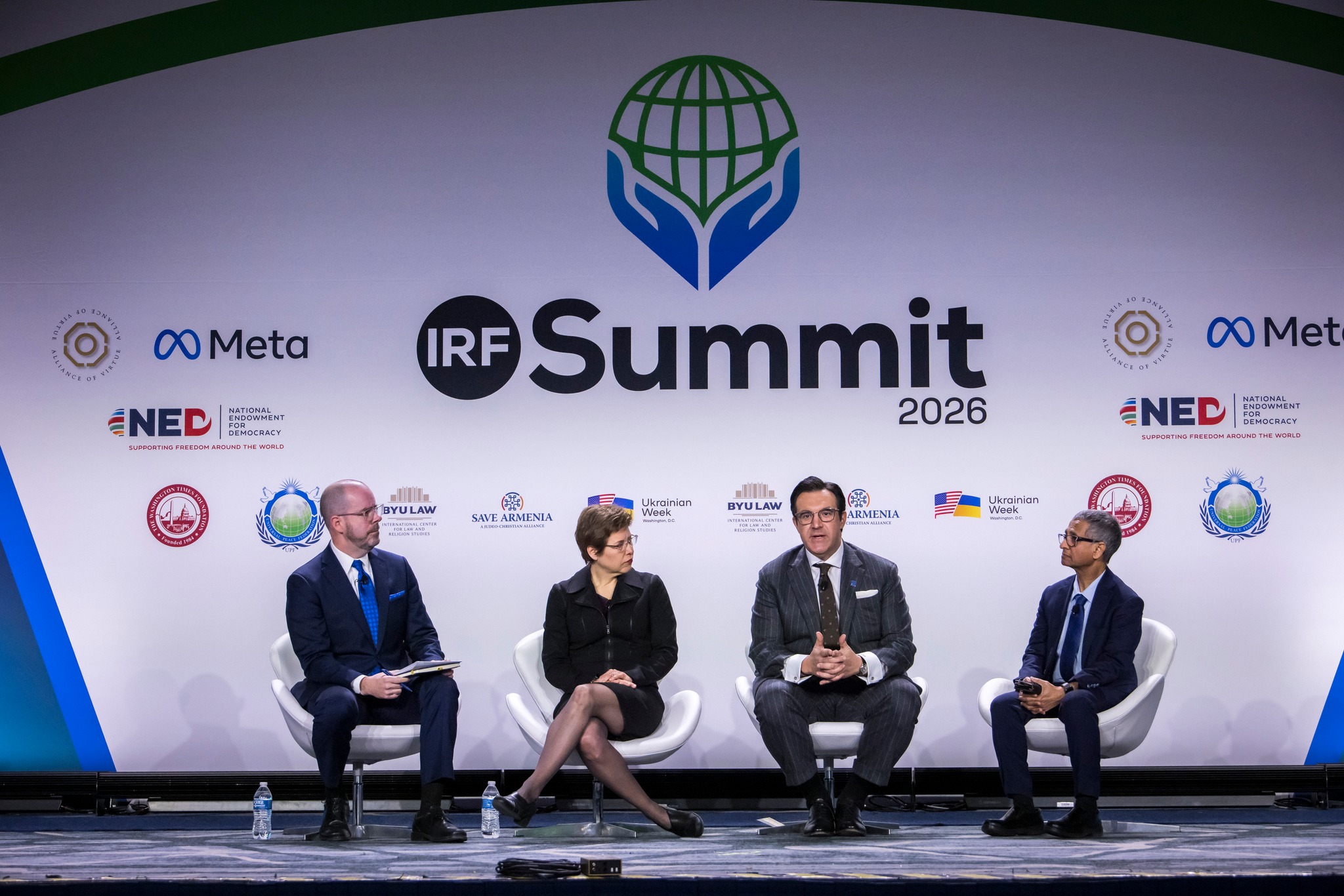
The 2026 International Religious Freedom (IRF) Summit, held in Washington, D.C., brought global attention to the worsening religious freedom situation in Asia. The summit leaders, Sam Brownback and Katrina Lantos Swett, delivered a stark message about the ongoing repression of religious communities, particularly in China and South Asia.
The IRF Summit, founded in 2021, has become one of the largest platforms advocating for freedom of religion or belief, bringing together diverse religious leaders, human rights defenders, policymakers, and civil society groups. This year, the event underscored the severe restrictions faced by religious minorities in Asian countries, where legal barriers, social pressures, and state control limit freedom of belief and worship.
Lantos Swett pointed out that over 80% of the world’s population lives in countries where religious repression is prevalent. The summit highlighted the rise of transnational repression, where governments extend their reach to monitor and control religious practices beyond their borders. China was identified as the most significant violator of religious freedom, with state interference in religious life and extensive use of surveillance technologies to monitor faith communities.
Brownback expressed concern over ongoing religious tensions in South Asia, especially in the Indian subcontinent, where violence and discrimination against religious minorities, particularly Christians, continue to escalate. He also pointed to the export of technologies developed for domestic repression to other countries in the region.
In response to these growing challenges, the summit leaders called for greater interfaith solidarity and collaboration with global movements focused on democracy and security. They emphasized the importance of nonpartisan advocacy for religious freedom, underscoring the need for vigilance and sustained efforts to protect this fundamental human right.
For faith communities in Asia, where religious identity often intertwines with social and political life, the summit’s message is particularly urgent. As restrictions on belief and worship continue to grow, it is clear that defending religious freedom requires ongoing advocacy and cooperation at local, regional, and global levels.