
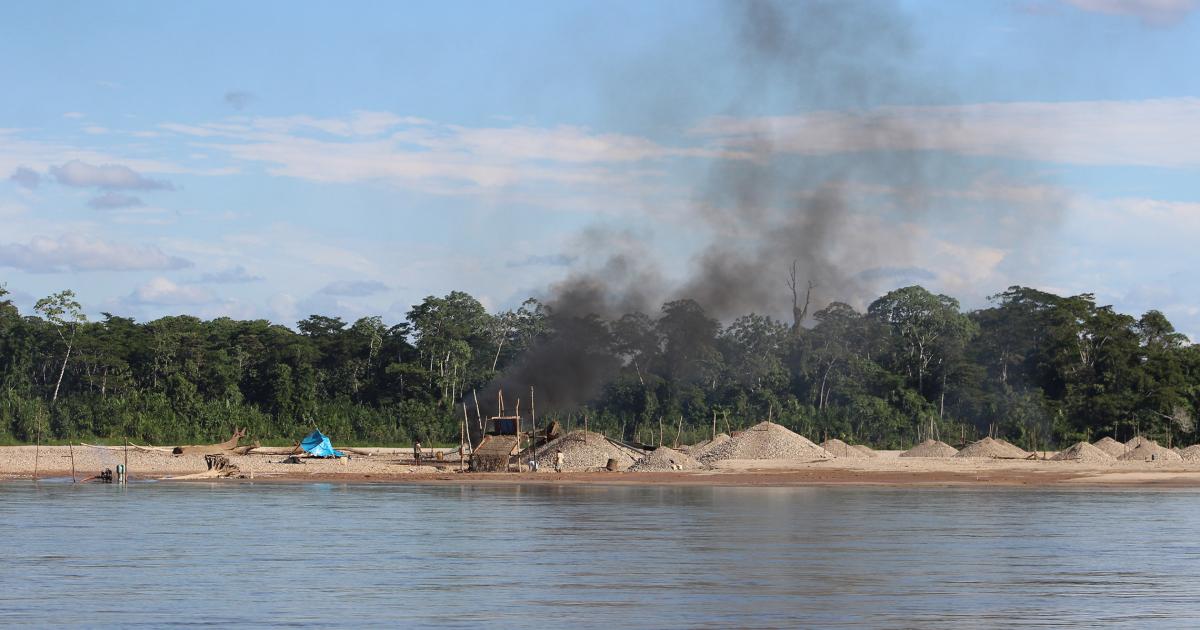
Gold mining in Asia, particularly in developing economies, is increasingly contributing to dangerous levels of mercury pollution, threatening both ecosystems and human health. As small-scale mining operations expand in countries like the Philippines, the widespread use of mercury to extract gold is causing significant environmental harm.
In the coastal town of Paracale in the Philippines, where gold mining has long been a tradition, residents rely on the practice for their livelihood. However, the process of mixing mercury with gold ore to separate the precious metal releases large quantities of toxic mercury into the air and water, with devastating consequences for both people and marine life. The mercury, carried by rain and rivers, eventually reaches the ocean, where it poses a danger to the food chain.
Mercury contamination in seafood is a particular concern, as the toxic element accumulates in fish, reaching dangerous levels in top predators like tuna. This bioaccumulation of mercury in seafood puts consumers, especially in Asia where fish consumption is high, at risk of mercury poisoning, which can lead to severe health issues such as neurological damage.
While efforts in the Global North have reduced mercury emissions, pollution levels are still rising in the Global South. Small-scale mining, especially in Southeast Asia, has now become the leading contributor to mercury emissions. In fact, Southeast Asia has seen a 700% increase in emissions over the past 60 years, overshadowing reductions made in other regions.
Despite these alarming trends, the monitoring of mercury levels in many parts of Southeast Asia, including the Philippines, remains inadequate. Comprehensive testing is needed to assess the full extent of mercury contamination, especially in seafood. Government action, including more robust monitoring and regulation, is crucial to combat the growing threat of mercury pollution and protect both human health and the environment.