

China Rare Earth Exports Face Stricter Controls
Beijing has introduced new rules tightening control over China rare earth exports, a move that could reshape global access to the vital materials used in advanced technology and defense manufacturing. The Ministry of Commerce said the regulations aim to “safeguard national security,” formalizing and expanding existing restrictions on technology transfers and overseas partnerships involving rare earth elements.
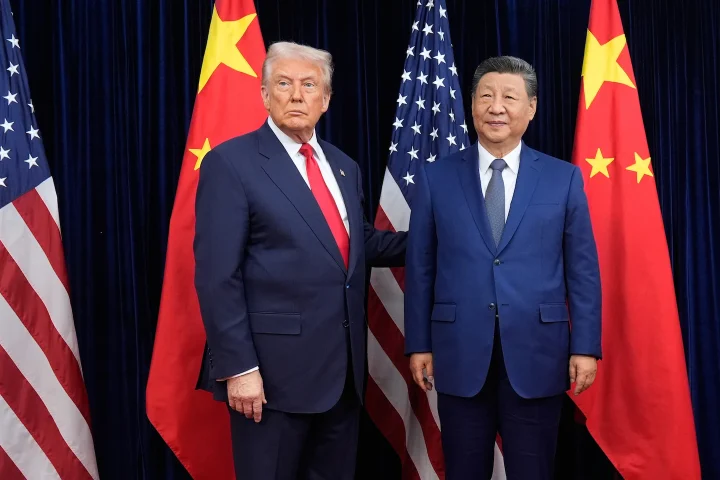
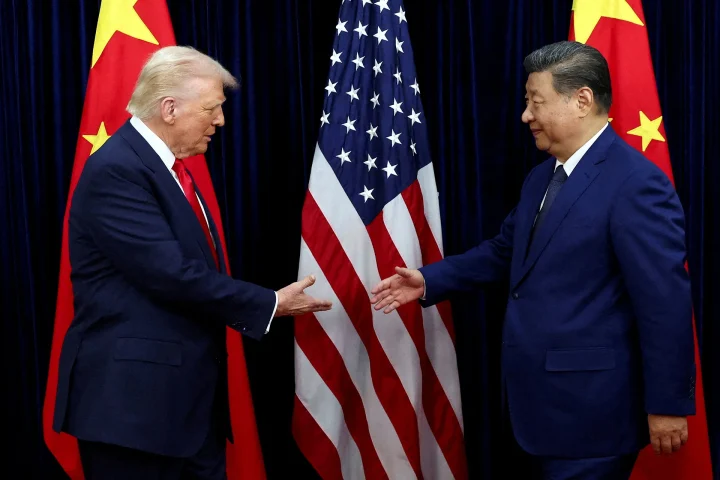
Under the new rules, Chinese companies can no longer share mining, smelting, or magnet-making technology with foreign firms without explicit government approval. These measures effectively block exports of rare earth-related know-how to international arms manufacturers and semiconductor producers. The decision comes amid heightened trade tensions between China and the United States, as Presidents Xi Jinping and Donald Trump prepare to meet later this month.
Impact on Global Trade and Technology
The China rare earth exports policy mirrors U.S. efforts to restrict chip-making equipment sales to China, signaling a tit-for-tat strategy in the tech war between the two powers. Trade experts say the timing of the move is deliberate, reinforcing Beijing’s leverage in negotiations with Washington. The U.S. depends on Chinese rare earths for electronics, green energy, and weapons production, but lacks the processing capacity to refine them independently.
China accounts for 61% of global rare earth production and an estimated 92% of global processing, giving it near-total control over the supply chain. The new regulations restrict exports of technologies involving mining, refining, recycling, and even the maintenance of production equipment.
Why It Matters for the World
Rare earths—17 elements including neodymium, yttrium, and europium—are essential for making electric vehicle motors, smartphones, wind turbines, and jet engines. While they are abundant in nature, they are difficult and hazardous to extract in pure form. Beijing’s tightened control over China rare earth exports could drive up global prices and disrupt industries reliant on these materials.
By targeting this strategic sector, China is asserting its dominance in high-tech manufacturing and signaling that it will defend its industrial edge against Western pressure.