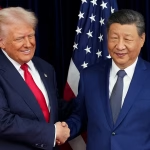


In a historic moment for Thai diplomacy, King Maha Vajiralongkorn has arrived in Beijing for the first-ever state visit by a reigning Thai monarch, underscoring the growing importance of the Thai king China visit in strengthening bilateral ties between Thailand and China.
The visit, hosted at the invitation of Chinese President Xi Jinping, commemorates the 50th anniversary of diplomatic relations between the two nations, first established in 1975. According to the Thai government, the royal trip “reflects the deep-rooted friendship and mutual understanding shared between Thailand and China at all levels.”
King Vajiralongkorn and Queen Suthida are expected to visit cultural landmarks, including the Lingguang Buddhist Temple and Beijing Aerospace City, while President Xi and his wife will host a state banquet in their honor.
A New Chapter in Thai-Chinese Relations
This royal journey marks King Vajiralongkorn’s most significant overseas engagement since ascending the throne nine years ago. His previous foreign trip—to Bhutan in April—was modest compared to the magnitude of this diplomatic milestone.
Historically, King Vajiralongkorn’s father, King Bhumibol Adulyadej, made prominent trips to the United States during the 1960s, when Thailand served as a key Cold War ally for Washington. Today, the geopolitical landscape has shifted, with Thailand strengthening its alignment with China, even as relations with the United States have cooled due to human rights criticism, tariff disputes, and shifting American priorities in Asia.
Economic and Cultural Ties Strengthen
China now stands as Thailand’s largest trading partner, rivaling the U.S. in both commerce and defense. Many Thais trace their roots back to Chinese immigrants, and Beijing frequently refers to Thailand as a “brotherly nation.”
This connection extends beyond trade. Earlier this year, Thailand drew attention for deporting 40 Uyghur asylum seekers to China, defying U.S. warnings. The Thai government has also faced accusations of bowing to Beijing’s pressure—blocking casino legalization and censoring art exhibitions featuring Uyghur and Tibetan artists.
Despite these challenges, China’s influence continues to shape Thailand’s domestic and foreign policies. Notably, Princess Sirindhorn, the king’s sister, has played a consistent cultural bridge role for decades, studying Chinese language and art for over 45 years and maintaining strong ties with Beijing.
Symbolism Beyond Diplomacy
The Thai king China visit is more than ceremonial; it represents a powerful gesture of Thailand’s commitment to deepening its partnership with Beijing amid global realignments. As both nations celebrate five decades of cooperation, the visit signals a strategic embrace of shared interests that span economics, culture, and geopolitics.