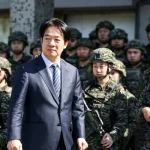


Beijing Conducts Precision Strikes on Simulated Port and Energy Facilities Amid Rising Tensions
China military drills near Taiwan have intensified this week. Beijing’s forces conducted long-range live-fire exercises in the East China Sea on Wednesday. The military specifically practiced precision strikes on simulated port and energy facilities. These actions further escalate ongoing drills around the island democracy.
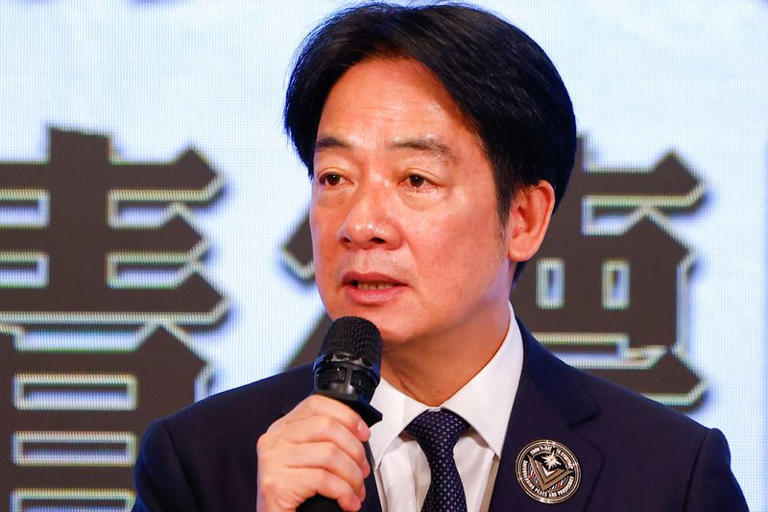
These exercises follow heightened Chinese rhetoric against Taiwan’s President Lai Ching-te. China labeled Lai a “parasite” on Tuesday. The drills also coincide with U.S. Defense Secretary Pete Hegseth’s recent Asia visit. Hegseth repeatedly criticized Beijing’s actions in the region during his tour.
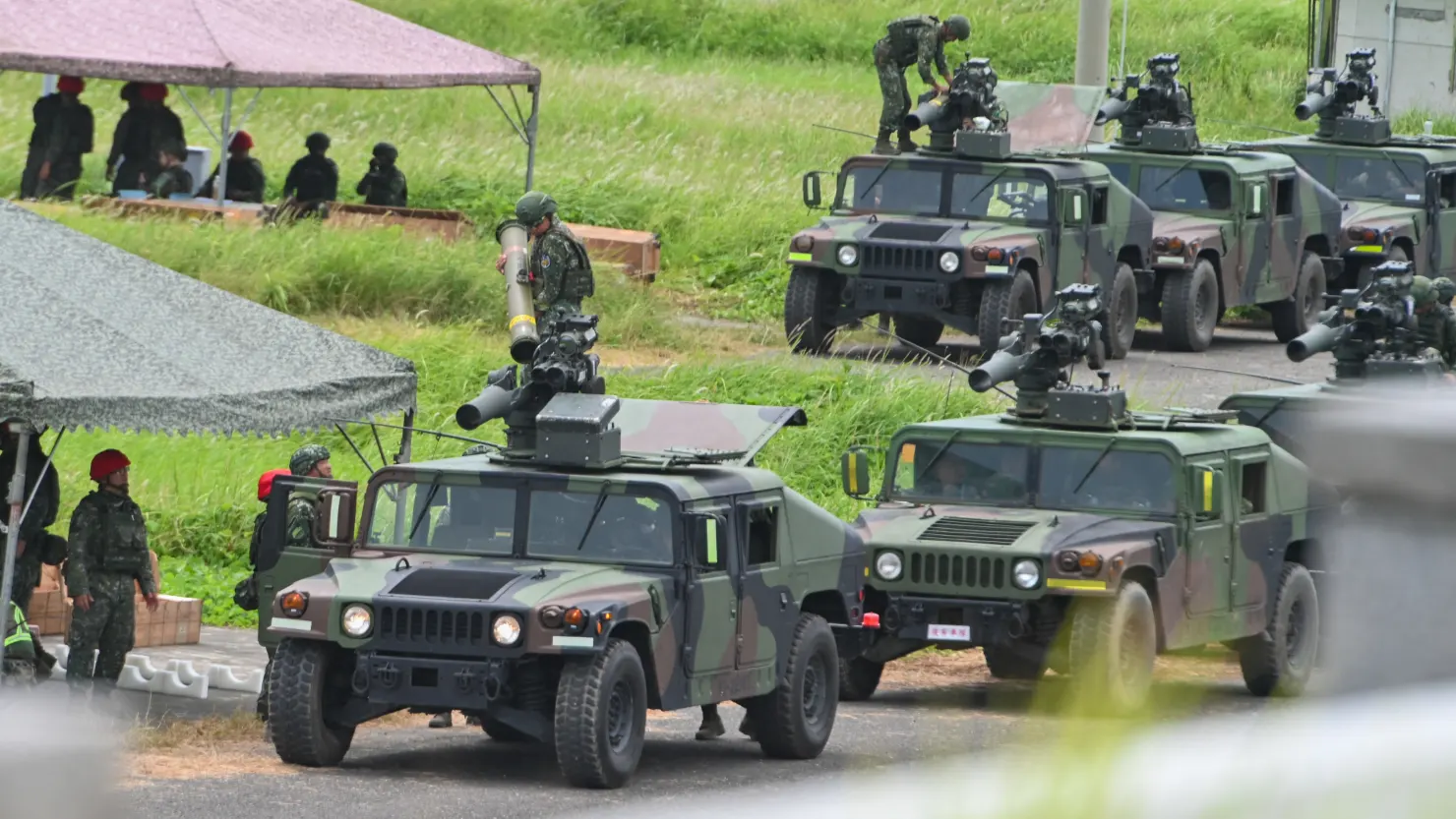
China’s Eastern Theatre Command announced the drills as part of the “Strait Thunder-2025A” exercise. Ground forces carried out long-range live-fire drills into East China Sea waters. They did not specify the exact location of these operations.
“The drills involve precision strikes on simulated targets of key ports and energy facilities, and have achieved desired effects,” the command stated. They provided no further details. Taiwan’s benchmark stock index briefly dipped after the announcement. It later recovered to close up 0.1%.
China’s Maritime Safety Administration declared a closed shipping zone until Thursday night. This area sits off the north part of Zhejiang province. The zone is located more than 500 km (310 miles) from Taiwan. A senior Taiwan defense official told Reuters this area falls outside Taiwan’s “response zone.”
China’s military released a video of the live-fire drills. The footage shows rockets hitting land targets. It also includes animations of explosions over Taiwanese cities including Tainan, Hualien, and Taichung. All these locations house military bases and ports. The video displays text stating: “Control energy corridors, disrupt supply routes, block clandestine routes to docks.”
Taiwan has firmly denounced these military exercises. A senior Taiwanese security official revealed concerning details about Chinese presence. More than 10 Chinese warships entered Taiwan’s “response zone” on Wednesday morning. China’s coast guard also participated with “harassment” drills.
Taiwan’s defense ministry tracked Chinese movements over 24 hours. They counted 76 Chinese aircraft and 15 warships involved in operations around the island. China has also increased pressure through other means. Beijing recently called for people to email reports about “separatist activity.”
Chiu Chui-cheng heads Taiwan’s China-policy making Mainland Affairs Council. He warned citizens about travel risks. He advised careful consideration before traveling to China, Hong Kong, or Macau given the rising tensions.
The Chinese military showcased advanced equipment during these exercises. This included YJ-21 air-launched ballistic missiles carried by H-6K bombers. The H-6K serves as an extended-range strike aircraft. The YJ-21 functions as an advanced anti-ship weapon. Some H-6 aircraft can carry nuclear weapons. These aircraft have participated in previous drills around Taiwan.
Taiwan reports no travel disruptions despite the military activity. The state refiner CPC Corp confirmed that liquefied natural gas imports continue without interruption.
The United States condemned these exercises. As Taiwan’s most important international supporter and primary arms supplier, the U.S. expressed strong concerns. “China’s aggressive military activities and rhetoric toward Taiwan only exacerbate tensions,” the U.S. State Department stated. These actions “put the region’s security and the world’s prosperity at risk.”
Japan and the European Union also voiced concern about the situation. An EU spokesperson emphasized their position clearly. “The EU has a direct interest in preserving the status quo in the Taiwan Strait. We oppose any unilateral actions that change the status quo by force or coercion.”
Taiwan has faced Chinese invasion threats since 1949. The defeated Republic of China government fled to the island after losing the civil war to Mao Zedong’s communists. However, the two sides have not exchanged hostile fire for decades.