
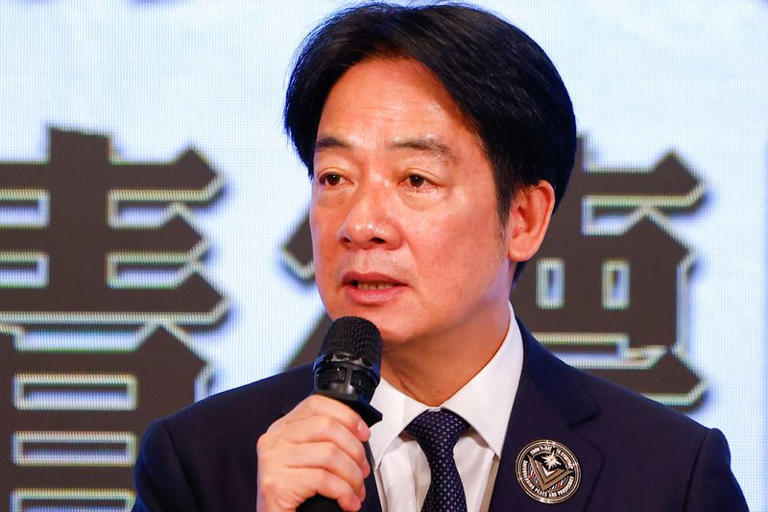
Taiwan President Lai Ching-te warned against indulging aggressors, marking the 80th anniversary of the end of World War Two in Europe. In a pointed address at the historic Taipei Guest House, President Lai drew parallels between Europe’s wartime experience and Taiwan’s current geopolitical challenges, urging democratic nations to remain vigilant and united.
Taiwan Marks WWII Europe Anniversary for the First Time
This year marks the first time Taiwan has officially commemorated the end of World War Two in Europe. President Lai’s speech was attended by foreign dignitaries from the United States, United Kingdom, Japan, Canada, and European nations. He underscored Taiwan’s alignment with democratic values and warned that appeasing aggressors emboldens expansionist ambitions.
“Indulging aggressors with a taste of expansion only whets their appetite,” Lai said. “It makes them more confident and hungrier for more.”
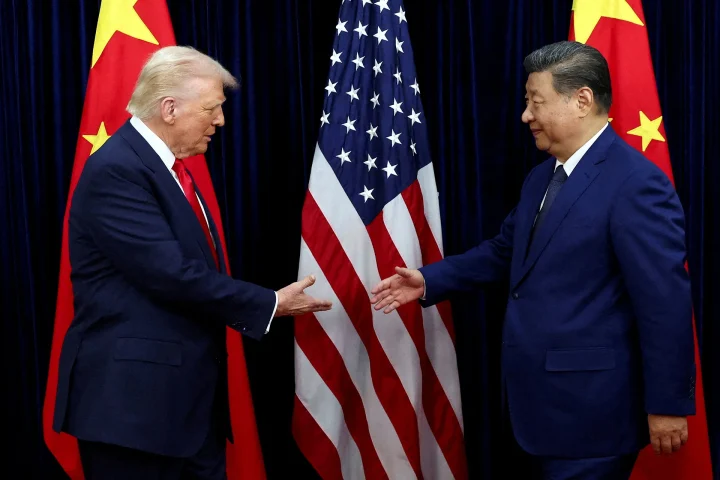
The event coincided with Chinese President Xi Jinping’s visit to Moscow for Russia’s Victory Day parade, adding geopolitical tension to the day’s commemorations.
The China Factor: A Growing Authoritarian Threat
Taiwan Under Pressure
Although he did not mention China by name, President Lai alluded to Beijing’s growing aggression, referencing military drills and cyber threats faced by Taiwan. He emphasized that Taiwan, like Europe, confronts a “new authoritarian bloc” that threatens regional and global stability.
“Taiwan and Europe face the same threat from authoritarianism,” he declared.
Xi Jinping’s Message from Moscow
On the same day, Chinese President Xi wrote in a Russian newspaper that Taiwan “legally belongs to China” and that reunification is inevitable, despite international resistance. Xi’s visit to Russia and continued support of Moscow amid the Ukraine war was seen by many analysts as a symbolic nod to authoritarian solidarity.
The Call for Global Unity
President Lai stressed that freedom-loving nations must act preemptively to counter emerging threats, pointing to:
- Undersea cable sabotage (a concern raised by both Taiwan and Europe)
- Election interference
- Disinformation campaigns
“Lovers of freedom… must work together now in tight solidarity, before risks turn into crises,” he said, emphasizing the need to act before crises are exploited by expansionist regimes.
Historical Symbolism and Modern Warning
The Taipei Guest House, once the residence of the Japanese colonial governor, provided a symbolic backdrop for the speech. Taiwan was under Japanese rule until 1945, after which it became a key U.S. ally in East Asia.
President Lai used this historical context to warn against complacency. He reminded the audience that World War Two’s tragedies were rooted in early inaction and false hopes of appeasement.
The Taiwan President warns against indulging aggressors as global tensions rise, reminding the world of the costly lessons from history. His message was clear: only through unity, vigilance, and firm resistance can democracies prevent future conflicts driven by authoritarian ambition.