
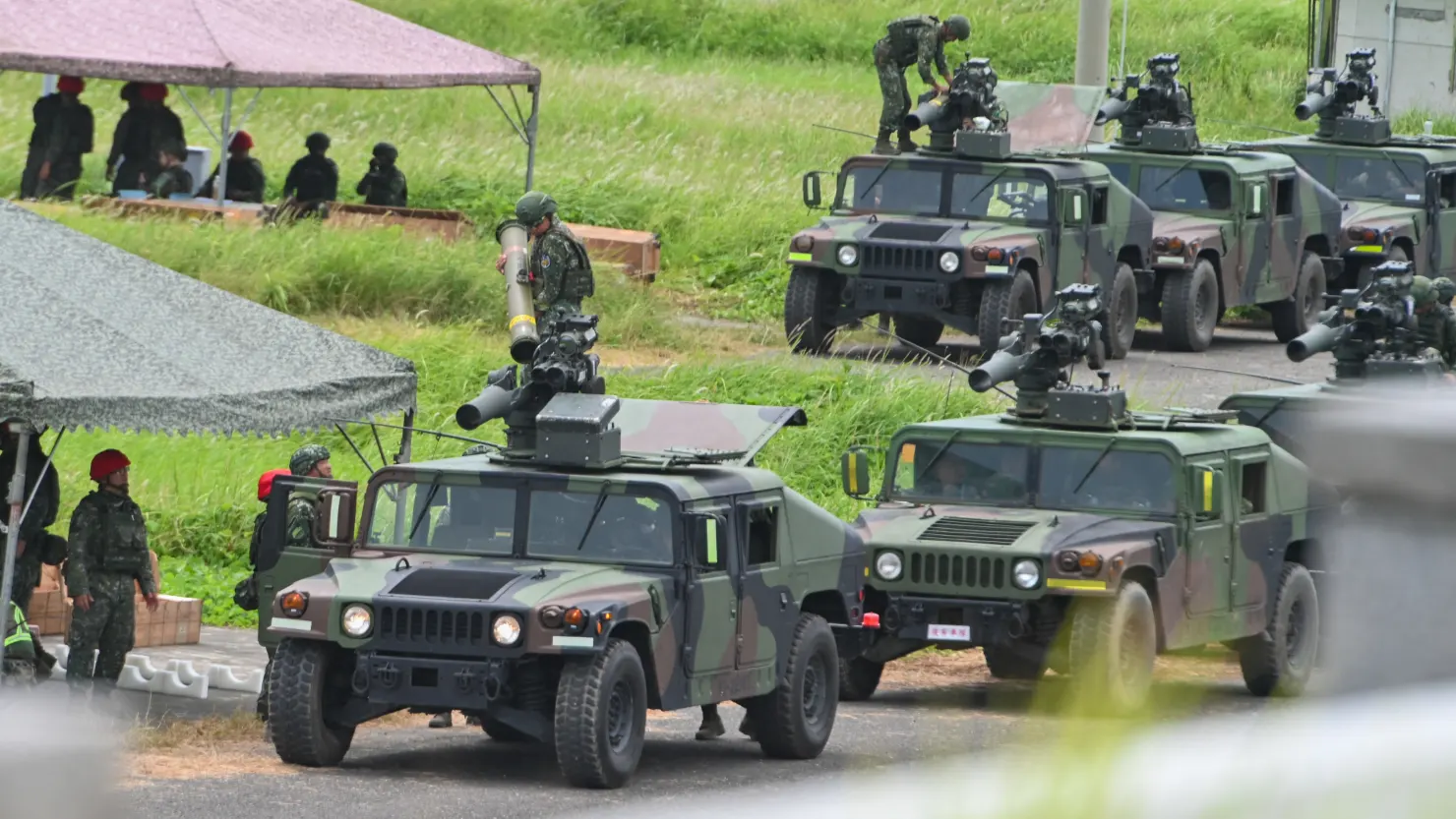
On Thursday, the U.S. approved an arms sale to Taiwan worth $11.15 billion, marking the largest deal to date. Taiwan faces growing threats from China, prompting this decision. The sale includes artillery systems, antitank missiles, and parts for helicopters and antiship missiles. This move follows Taiwan’s $40 billion defense budget, announced by President Lai Ching-te in November, which strengthens the island’s defense capabilities.
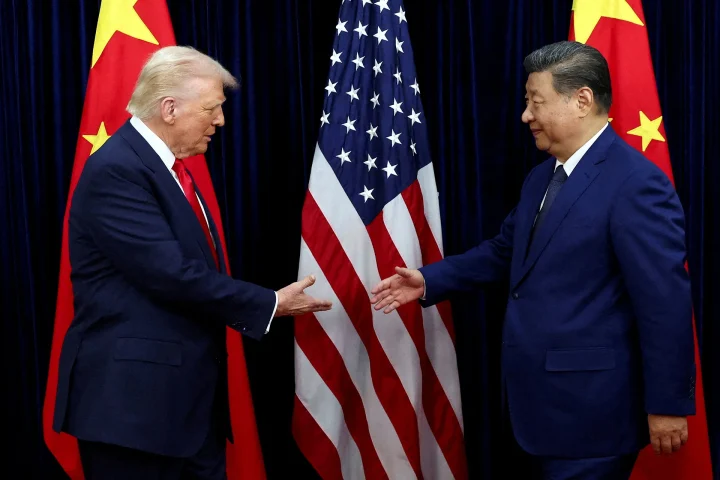
Beijing responded sharply to the move. Guo Jiakun, China’s foreign affairs spokesperson, accused the U.S. of violating the “one-China principle”. He argued that U.S. arms sales would harm Taiwan and that using Taiwan to counter China was bound to fail. Guo also reiterated China’s claim over Taiwan, calling its reunification a “historical inevitability.”
Taiwan’s defense ministry confirmed that this sale is part of a broader strategy. Lai Ching-te aims to prepare Taiwan for combat readiness by 2027. Lai warned that China intends to seize Taiwan by that year. He also cited Beijing’s growing military activity, especially in the Taiwan Strait, East and South China Seas, and the Indo-Pacific. On Wednesday, Taiwan’s defense ministry posted on X (formerly Twitter) about China’s Fujian aircraft carrier crossing the Taiwan Strait. Taiwan’s armed forces were on alert and monitored the situation.
The U.S. arms package includes 82 HIMARS rocket artillery systems worth $4.05 billion, 420 ATACMS missiles, and 60 M109A7 self-propelled howitzers, among others. Beijing condemned the deal, claiming it infringes on China’s sovereignty and destabilizes the Taiwan Strait. Matt Gertken, a geopolitical strategist at BCA Research, said the U.S. aims to restore deterrence against China while continuing trade talks with Beijing.
Although the U.S. does not have a mutual defense treaty with Taiwan, the 1979 Taiwan Relations Act mandates that the U.S. provide defense assistance to ensure Taiwan’s self-defense. Thus, while not obligated to defend Taiwan, the U.S. continues to provide crucial support.
Meanwhile, in Japan, Prime Minister Sanae Takaichi suggested that Japan’s Self-Defense Forces might intervene if China attempted to seize Taiwan. Beijing criticized Takaichi’s statement, demanding a retraction and an apology. In addition, China has advised its citizens not to visit Japan, highlighting the ongoing diplomatic tensions.
READ: Asia-Pacific Markets Fall as AI Stocks Struggle and Japan Prepares for Rate Hike