

In a rare conciliatory tone, Indian Prime Minister Narendra Modi has called for stronger ties with China, stating that “normalcy” has returned to the disputed border region and that India is open to a closer partnership.
His comments come more than three years after the deadly Ladakh clash in 2020, the worst confrontation between the two Asian giants since their 1962 war. The remarks were welcomed by Beijing, with a Chinese foreign ministry spokesperson noting the importance of both nations contributing to each other’s success.
While surprising to some, Modi’s outreach reflects recent signs of warming ties. Trade remains robust—China is still India’s largest trading partner—and the two countries have cooperated in global forums like BRICS and the Asian Infrastructure Investment Bank. In October, a deal was struck to resume border patrols, and direct flights between the nations resumed in January.
Still, many issues continue to strain the relationship.
Ongoing Tensions Linger
- India is deepening security ties with the US, while China remains closely aligned with Pakistan.
- Beijing opposes India’s positions on Kashmir, blocks its entry into global groups like the UN Security Council, and has built military influence near India through its Belt and Road Initiative.
- China’s support for regional rivals and growing presence in India’s maritime backyard remain key concerns in New Delhi.
India, meanwhile, has strengthened ties with Taiwan, continues to host the Dalai Lama, and is negotiating arms deals with Southeast Asian nations—moves China views as provocative.
What’s Next for India-China Relations?
Several developments could indicate where the relationship is headed:
- Border Talks: With roughly 50,000 square miles still disputed, confidence-building measures will be crucial.
- High-Level Meetings: Modi and Xi could meet during upcoming BRICS, G20, or SCO summits.
- Chinese Investment: A boost in Chinese capital could help ease India’s $85 billion trade deficit and support industrial growth.
- Regional Influence: Leadership changes in Bangladesh, Nepal, Sri Lanka, and the Maldives—nations traditionally courted by both Beijing and Delhi—could tilt the balance.
Global Shifts Could Shape Strategy
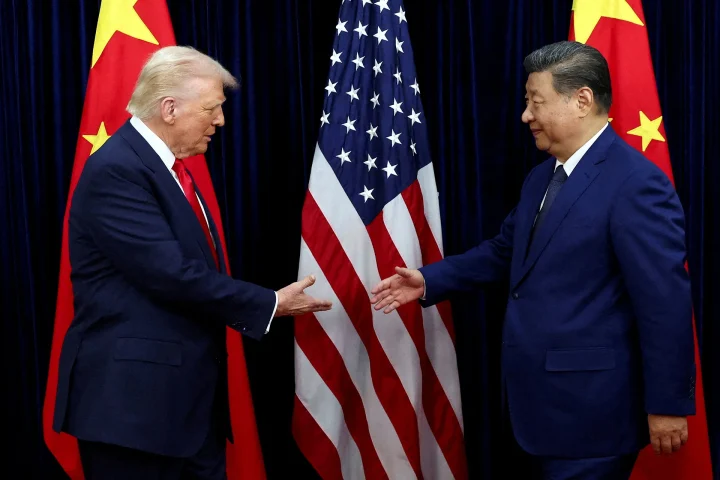
A change in the US presidency, particularly with a potential Donald Trump return, could influence India’s strategy. If Trump softens on China or imposes harsh reciprocal tariffs on India, New Delhi may lean into economic cooperation with Beijing.
Additionally, any reduction in China-Russia ties—especially if the Ukraine war ends—might lessen China’s strategic leverage, opening space for improved India-China relations.
Despite their rivalry, both India and China see themselves as ancient civilization-states with rising global ambitions. Modi’s hopeful words may reflect more than just diplomacy—they could signal a genuine opening for a reset in Asia’s most consequential relationship.