

China’s market regulator has recently accused Nvidia of breaching Chinese anti-monopoly laws. Although the specifics of the violation have not been disclosed, the country’s watchdog has confirmed that it will continue investigating the matter. This development comes amidst ongoing trade talks between the US and China, which aim to resolve tensions over the semiconductor chip market.
China’s Accusation Against Nvidia
The Chinese authorities have launched an investigation into Nvidia, one of the world’s leading semiconductor chipmakers. The company has denied any wrongdoing, asserting its compliance with Chinese regulations. Nvidia spokespersons emphasized that the company adheres to the law in all respects and will cooperate fully with government agencies. The investigation began in December 2024, marking a critical moment in the escalating trade conflict between the US and China, particularly in the tech sector.
This investigation highlights China’s increasing scrutiny over the tech industry, especially concerning anti-competitive practices. It is part of broader efforts by the Chinese government to safeguard its markets against monopolistic behaviors, particularly in key industries like semiconductors. The outcome of this probe could have significant implications for Nvidia’s operations in the region and its relationship with Chinese regulators.
Trade Talks and Their Impact on Nvidia
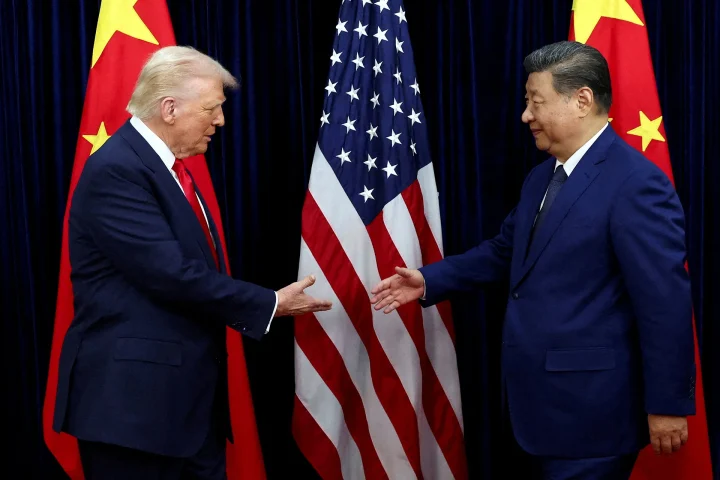
This legal challenge to Nvidia comes amid ongoing trade talks between the US and China. The discussions are part of an ongoing effort to de-escalate tensions between the two countries, especially after the US imposed export controls on high-end semiconductors to China. The latest round of talks, held in Madrid, focused on the status of various semiconductor exports, including those made by Nvidia.
The US has been tightening restrictions on semiconductor exports to China, which has become a point of contention in the broader trade dispute. As part of these trade negotiations, the future of Nvidia’s chip exports to China remains uncertain. Nvidia has pledged to continue cooperating with both US and Chinese authorities as they evaluate the effects of these export controls on competition in the commercial markets.
Broader Implications of the Trade Talks
The US-China trade talks have become a pivotal event for the future of the global semiconductor market. The ongoing tension over tech exports and market access is just one aspect of the broader economic rivalry between the two largest economies in the world. These discussions will likely shape the future of tech industry dynamics, not just for Nvidia, but for all major players in the semiconductor space.
In addition to Nvidia’s case, the talks also included discussions surrounding the popular social media app TikTok. The app, owned by Chinese company ByteDance, was facing potential bans in the US due to national security concerns. However, after a series of negotiations, US President Trump indicated a deal might be in the works to save the app from a ban, adding another layer of complexity to the trade talks.
Nvidia’s Response and Future Prospects
In response to the allegations, Nvidia remains committed to complying with all relevant laws and regulations. The company’s public statements emphasize its ongoing cooperation with government bodies as they assess the impact of the US’s export restrictions on Nvidia’s operations in China. These restrictions, particularly in the high-end chip sector, have caused significant challenges for Nvidia, but the company continues to adapt to the evolving market conditions.
As the investigation continues and the trade talks unfold, it will be essential to watch how the situation develops. The outcomes could influence the future direction of the semiconductor industry and reshape the regulatory environment for tech companies operating across borders.