

The US has threatened to escalate its tariffs on India, depending on the outcome of President Donald Trump’s upcoming meeting with Russian President Vladimir Putin. US Treasury Secretary Scott Bessent discussed the possibility of increasing secondary tariffs on India, particularly targeting its purchase of Russian oil.
In an interview with Bloomberg TV, Bessent stated, “If things don’t go well with the peace talks between Trump and Putin, sanctions or secondary tariffs could go up.” This remark came after Trump imposed a 25% tariff on India’s imports from Russia, which include oil and weapons. These tariffs are part of Washington’s broader strategy to exert pressure on Russia while mediating a ceasefire between Russia and Ukraine.
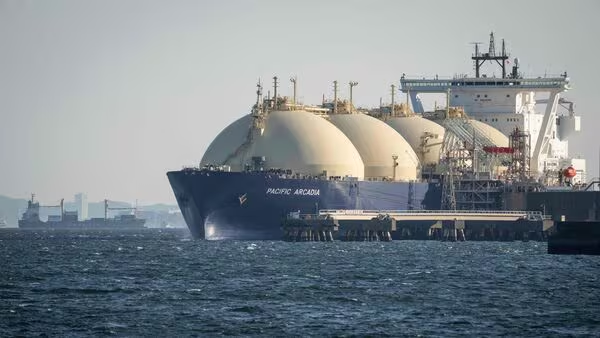
Since the war began, India’s imports of cheap Russian crude oil have soared, making up 35-40% of its total oil imports in 2024, compared to just 3% in 2021. This increase has strained US-India relations and complicated ongoing trade negotiations. Delhi justifies its purchases, claiming that as a major energy importer, it must prioritize affordable fuel to protect its citizens from rising energy costs.
Despite these tensions, Bessent urged European nations to join the US in imposing sanctions, stressing the importance of a unified approach to pressure Russia. “The Europeans need to be willing to put on these secondary sanctions,” he remarked, signaling frustration over Europe’s reluctance to take tougher actions.
In addition to the oil import dispute, trade talks between India and the US have been hampered by disagreements over agricultural tariffs. India’s refusal to reduce duties on agriculture and dairy products remains a significant point of contention. As a result, the US is set to impose a 50% tariff on India starting August 27, making it the most heavily taxed US trading partner in Asia. This new tariff rate could severely impact India’s key export sectors, including textiles and jewelry, potentially stalling its economic growth by up to half a percent.
The Trump administration has long criticized India’s trade practices, calling the country a “tariff abuser” and pushing for a more balanced trade relationship. As the situation develops, both nations are bracing for further economic fallout from these unresolved trade tensions.