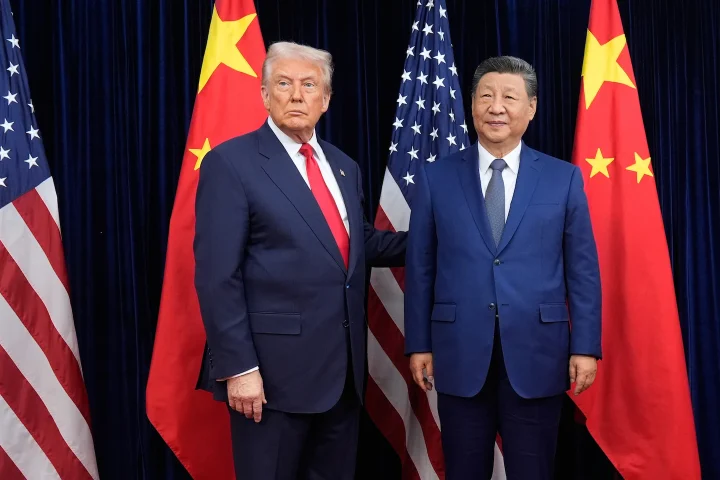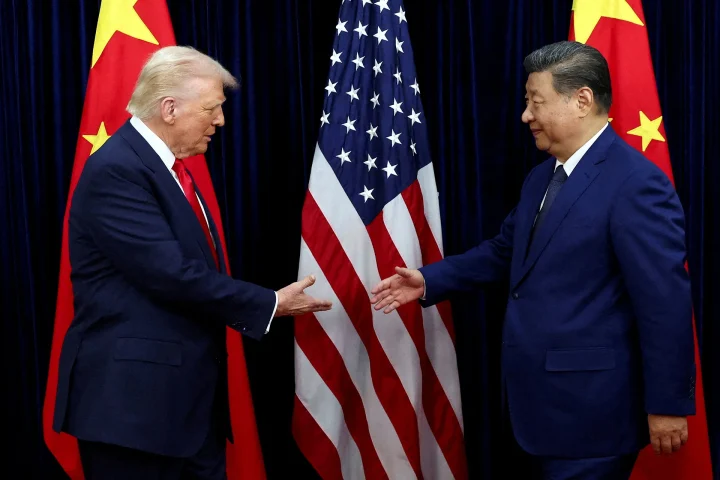

In a bold move that could redefine US-India trade ties, former US President Donald Trump has issued an executive order raising tariffs on Indian imports to 50%, citing India’s continued purchase of Russian oil. The order, set to take effect on August 27, adds a 25% increase to existing duties, placing immense pressure on India’s export sectors.
India’s Ministry of External Affairs swiftly condemned the action, calling the new tariffs “unfair, unjustified, and unreasonable“. In a firm response, the ministry noted that several nations continue to buy Russian oil in their national interest, adding, “India will take all actions necessary to protect its national interests.”
Trump, speaking at a White House event, justified the decision by stating that India’s energy trade with Russia undermines efforts to isolate Moscow over the war in Ukraine. “India doesn’t care how many people in Ukraine are being killed by the Russian War Machine,” he declared.
A Strategic Economic Strike
The increased tariff targets key Indian exports such as textiles, gems, jewelry, auto parts, and seafood—industries that collectively generate millions of jobs in India. Notably, critical imports like pharmaceuticals and electronics remain exempt for now.
Trade data reveals that India imported around 1.75 million barrels of Russian oil per day in the first half of 2025, making Russia its top energy supplier. Trump’s order follows a diplomatic visit to Moscow by his envoy, Steve Witkoff, who is trying to broker peace between Russia and Ukraine.
The White House explained that India’s oil purchases undermine national security efforts. The order also signaled that the US is evaluating similar sanctions against other Russian oil importers.
Diplomatic Fallout with Delhi
This marks a significant low point in US-India relations, with Trump’s administration taking a hard stance against even close partners. The move has shocked Indian business leaders. The Federation of Indian Export Organisations called the tariff hike “extremely shocking“, warning it could impact over 55% of India’s exports to the US.
Trade analysts at the Global Trade Research Initiative estimated the new levies could cut Indian exports to the US by 40–50%, making products less competitive in American markets. Despite the setback, experts suggest India should avoid immediate retaliation, allowing room for diplomatic negotiation.
India has previously argued that it began purchasing more Russian oil only after Western sanctions redirected traditional supply chains, forcing countries like India to diversify energy sources.
Tariff Shockwaves Beyond India
Trump’s move may send ripple effects beyond India. His administration has threatened to impose secondary sanctions and 100% tariffs on any country continuing energy trade with Russia. Similar penalties were used in the past to discourage trade with Venezuela.
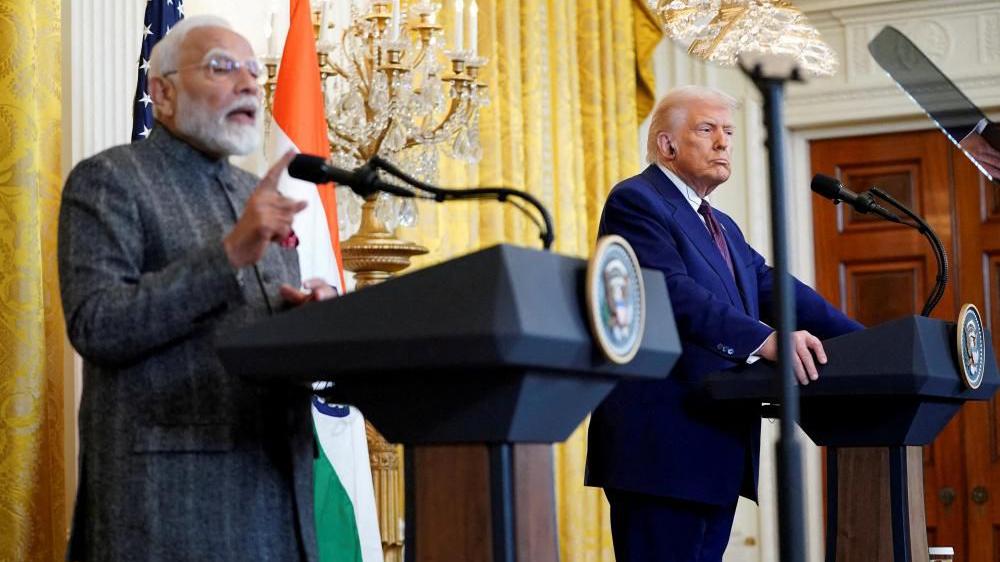
During his first term, Trump and Indian Prime Minister Narendra Modi shared a visible friendship, attending public rallies in each other’s countries. That camaraderie, however, appears overshadowed by conflicting geopolitical interests.
While Washington continues some level of trade with Moscow—$3.5 billion worth in 2024—critics in Delhi view the tariff as hypocritical and politically driven.
Conclusion
As the August 27 deadline approaches, global markets and political observers are watching closely. The Trump India tariffs over Russian oil signal a harder American line on enforcing sanctions—even against allies. With the threat of broader sanctions looming, other Russian oil importers like China and Turkey may soon face similar scrutiny.
India now faces a crucial decision: hold firm or seek a diplomatic path to defuse rising trade tensions. Either way, the escalating tariff war could reshape global alliances and economic flows in the months ahead.