
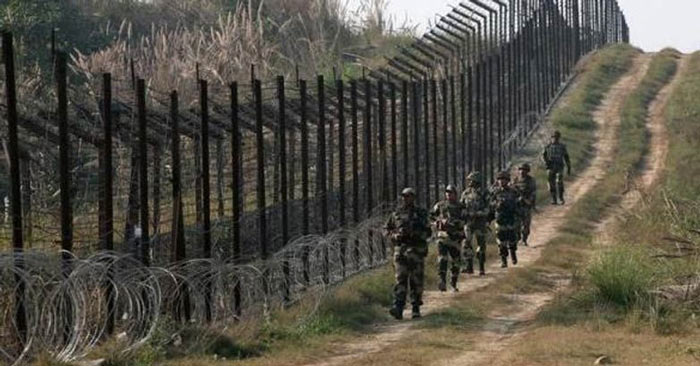
Pakistan India border tensions are intensifying in 2025, driven by new visa restrictions and militant attacks, such as the Pahalgam incident. For instance, families face separation, and trade routes suffer as both nations tighten controls. Consequently, the region’s stability is at risk. Thus, this article analyzes Pakistan India border tensions, their causes, impacts, and future implications. Internal link: South Asia’s Political Challenges
The Surge of Tensions
Visa Restrictions and Family Separation
In 2025, Pakistan India border tensions escalate with visa restrictions. Specifically, new rules effective April 2025 limit cross-border movement, separating hundreds of families, per BBC News. Moreover, posts on X highlight emotional stories, like Shahida’s choice to leave Pakistan or lose family ties, per X posts. As a result, humanitarian crises are deepening.
Militant Attacks and Retaliation
Furthermore, militant incidents fuel conflict. For example, the Pahalgam attack in Jammu and Kashmir prompted India to blame Pakistan-based groups, per ANI News. Additionally, Pakistan’s military reported 10 border skirmishes in 2025, per Reuters. Therefore, security concerns drive mutual distrust.
Impacts on Pakistan and India
Disrupted Trade and Economy
Pakistan India border tensions harm trade. For instance, the Wagah border closure reduced bilateral trade by 40%, costing Pakistan $500 million, per Bloomberg. Furthermore, Punjab’s border markets, reliant on cross-border commerce, face losses, per X posts. Thus, economic strain affects local communities.
Political and Social Fallout
Moreover, tensions fuel domestic unrest. In Pakistan, the Baloch Yakjehti Committee reports enforced disappearances near borders, per NDTV. Additionally, India’s tightened security measures spark protests in Kashmir, per BBC News. As a result, social cohesion is under pressure in both nations.
Challenges Facing Resolution
Diplomatic Stalemate
However, Pakistan India border tensions face a diplomatic impasse. For example, talks stalled after the Pahalgam attack, with India demanding action against militants, per Reuters. Moreover, Pakistan’s focus on domestic issues, like Balochistan unrest, limits engagement, per NDTV. Therefore, bilateral dialogue remains elusive.
Global and Regional Dynamics
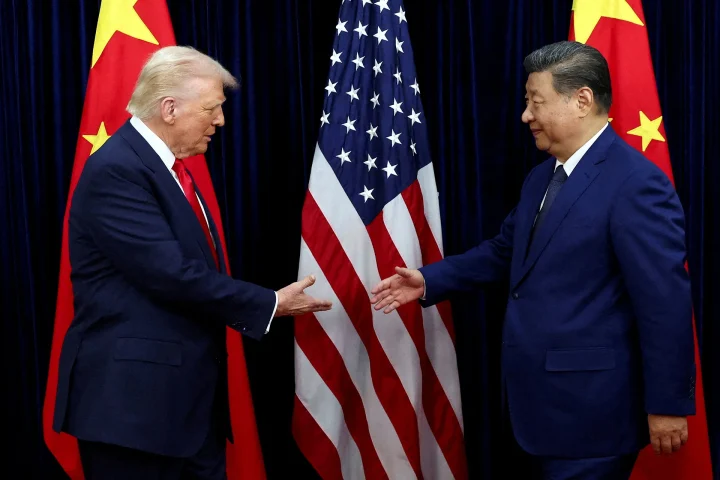
Another challenge is external influence. Specifically, China’s trade talks with the U.S. divert attention from South Asia, per CNBC. Furthermore, the U.S.’s neutral stance, prioritizing its tariff war, reduces mediation efforts, per Yahoo Finance. Consequently, global inaction prolongs the conflict.
The Future of Border Relations
Potential for De-escalation
Looking ahead, Pakistan India border tensions may see de-escalation efforts. For instance, backchannel talks via neutral parties like the UAE are proposed, per X posts. Additionally, Pakistan’s trade minister plans to attend SAARC meetings, per Reuters. Thus, diplomatic channels could ease tensions.
Regional Cooperation
Furthermore, regional frameworks offer hope. For example, ASEAN’s trade resilience, supported by Pakistan’s ally China, inspires South Asian cooperation, per NHK World. Moreover, the UN’s call for humanitarian aid in Kashmir gains traction, per BBC News. As a result, collective action may stabilize the region.
Conclusion
In summary, Pakistan India border tensions in 2025 disrupt families and trade, driven by visa rules and militant attacks. While straining economies and social ties, diplomatic stalemates and global inaction pose challenges. With backchannel talks and regional cooperation, Pakistan India tensions could pave the way for a more stable future.