

India Pakistan border tensions are intensifying, driven by India’s strikes inside Pakistan and new visa restrictions, disrupting families and trade. For instance, the May 2025 Pahalgam attack and subsequent narrative battles highlight deep mistrust. Consequently, South Asia’s stability is at risk. Thus, this article analyzes India Pakistan border tensions, their causes, impacts, and future implications. Internal link: South Asia’s Political Challenges
The Surge of Tensions
Military Strikes and Retaliation
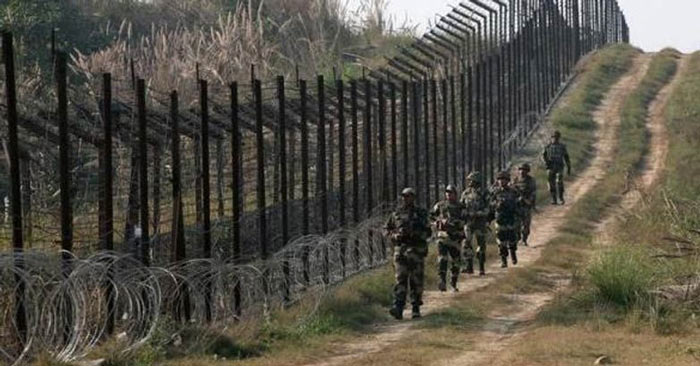
India Pakistan border tensions escalate with military actions. Specifically, India’s strikes inside Pakistan after the Pahalgam attack in Jammu and Kashmir sparked outrage, per Al Jazeera. Moreover, Pakistan reported 10 border skirmishes, per X posts. As a result, security concerns drive distrust.
Visa Restrictions and Families
Furthermore, visa curbs deepen the divide. For example, April 2025 rules limit cross-border movement, separating families, per BBC News. Additionally, X posts share stories of emotional hardship, per @ReutersAsia. Therefore, humanitarian crises are growing.
Impacts on South Asia
Trade Disruptions
Border tensions harm trade. For instance, the Wagah border closure cut bilateral trade by 40%, costing $500 million, per Bloomberg. Moreover, Punjab’s markets suffer, per X posts. Thus, economic strain affects communities.
Political and Social Fallout
Moreover, tensions fuel unrest. Specifically, protests in Kashmir over India’s security measures grow, per BBC News. Additionally, Pakistan’s Baloch activists report disappearances, per NDTV. As a result, social cohesion is under pressure.
Challenges Facing Resolution
Diplomatic Stalemate
However, India Pakistan border tensions face a diplomatic impasse. For example, talks stalled after the Pahalgam attack, per Reuters. Moreover, Pakistan’s domestic issues limit engagement, per NDTV. Therefore, dialogue remains elusive.
Global Distractions
Another challenge is external focus. Specifically, U.S.-China trade wars divert global attention, per Yahoo Finance. Furthermore, the U.S.’s neutral stance reduces mediation, per X posts. Consequently, global inaction prolongs conflict.
The Future of Border Relations
Potential De-escalation
Looking ahead, tensions may see de-escalation. For instance, UAE-mediated backchannel talks are proposed, per X posts. Additionally, SAARC meetings could foster dialogue, per Reuters. Thus, diplomacy offers hope.
Regional Cooperation
Furthermore, regional frameworks could help. For example, ASEAN’s trade resilience inspires South Asia, per NHK World. Moreover, UN aid calls for Kashmir gain traction, per BBC News. As a result, collective action may stabilize the region.
Conclusion
In summary, India Pakistan border tensions disrupt families and trade, driven by strikes and visa curbs. While straining economies and societies, diplomatic and global challenges persist. With backchannel talks and cooperation, India Pakistan border tensions could pave a stable future.
Other News : Australia’s Liberal Party Collapses in Historic Election Defeat