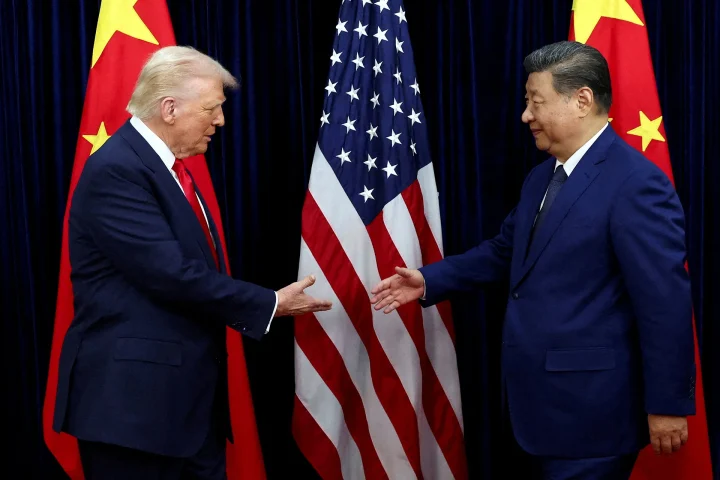


US President Donald Trump’s 50% tariffs on India, which came into effect on August 27, have left Delhi scrambling for a response. The India US tariff war could shave off up to 0.8% of India’s GDP and slash exports to the US by $35 billion this financial year, putting jobs in textiles, gems, jewellery, and leather at risk.
While Prime Minister Narendra Modi has offered exporters tax relief and subsidies, his government is also signaling displeasure diplomatically by strengthening ties with China, Russia, and Japan.
Costs of Retaliation in the India US Tariff War
In 2019, India retaliated with steep duties on 28 US products after Washington hiked steel and aluminium tariffs. But experts now warn retaliation could be dangerous, given that India exports $86 billion in goods to the US, nearly triple what it imports.
“Retaliation is costly and unproductive because India depends more on the US than the other way around,” said Ashley Tellis of the Carnegie Endowment.
Adding to the pressure, US Commerce Secretary Howard Lutnick has already hinted at tightening H1B visa rules, a move that could hit India’s booming IT and outsourcing sector.
India’s Alternatives Beyond Retaliation
Analysts say diversification is India’s best shield in the India US tariff war. Building stronger trade ties with Mexico, Canada, the EU, and Latin America could ease dependence on the US.
Former Chief Economic Adviser Kaushik Basu urged Delhi to act fast, while experts like Ajay Srivastava recommend sector-specific trade missions and new export hubs in places like the UAE and Mexico.
Still, shifting markets will take time and money, as exporters must find new buyers and adapt products to unfamiliar markets. Without urgent competitiveness upgrades, India risks losing more ground to Bangladesh and Vietnam, who enjoy easier trade terms with Washington.