

China AI stock rally surges amid crisis
The China AI stock rally has pushed Shanghai shares to near 10-year highs, even as the world’s second-largest economy faces deep challenges. Investors remain bullish thanks to President Xi Jinping’s pledge to put China at the forefront of global artificial intelligence. AI-driven optimism is helping offset gloom caused by a property crisis, weak consumer demand, and rising deflationary pressures.
Alibaba and AI momentum
Alibaba’s performance illustrates the excitement. In August, the e-commerce giant reported triple-digit AI revenue growth for the eighth straight quarter. Its cloud unit surged 26% year-on-year, and net income rose 78%. These gains reassured investors despite intense competition with Meituan and JD.com.
Alibaba’s role in monetizing AI reflects Xi’s “Made in China 2025” blueprint, which also targets biotechnology, renewable energy, semiconductors, and EVs. The company is positioning itself alongside global giants like OpenAI, Google, and Microsoft in the AI arms race.
DeepSeek’s global shock
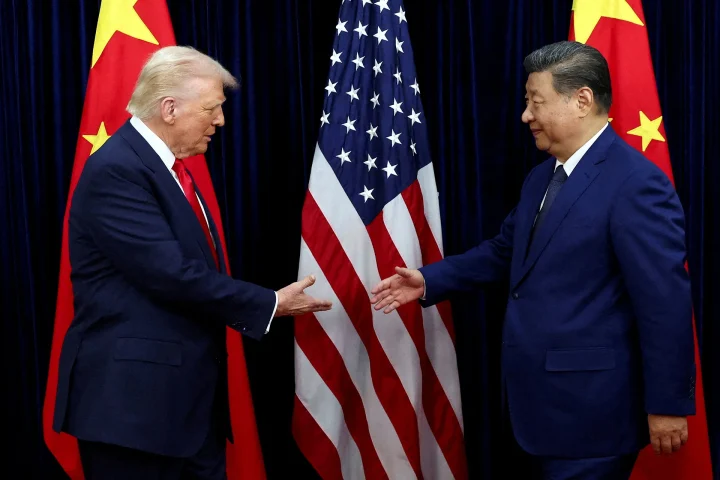
Much of the momentum stems from DeepSeek’s January debut, which demonstrated China’s ability to challenge US tech dominance. DeepSeek’s low-cost AI model rattled Nvidia and ASML, while overshadowing Trump’s $500 billion Stargate AI project. The launch strengthened Beijing’s resolve to accelerate innovation, showing that tariffs alone cannot slow China’s tech rise.
EVs and the China AI stock rally
BYD, which surpassed Tesla in global EV sales last year, struggled with a 30% revenue drop in Q2. Still, China’s auto revolution continues to reshape global markets. Together with AI progress, EV investments have fueled the China AI stock rally, proving that investors are betting on future technology rather than present economic conditions.
Read Also
- Trump’s Tariff Tsunami Hits Vietnam
- Influencers and Drug Money Laundering
- Asia Times: China AI Stock Rally
Economic weaknesses persist
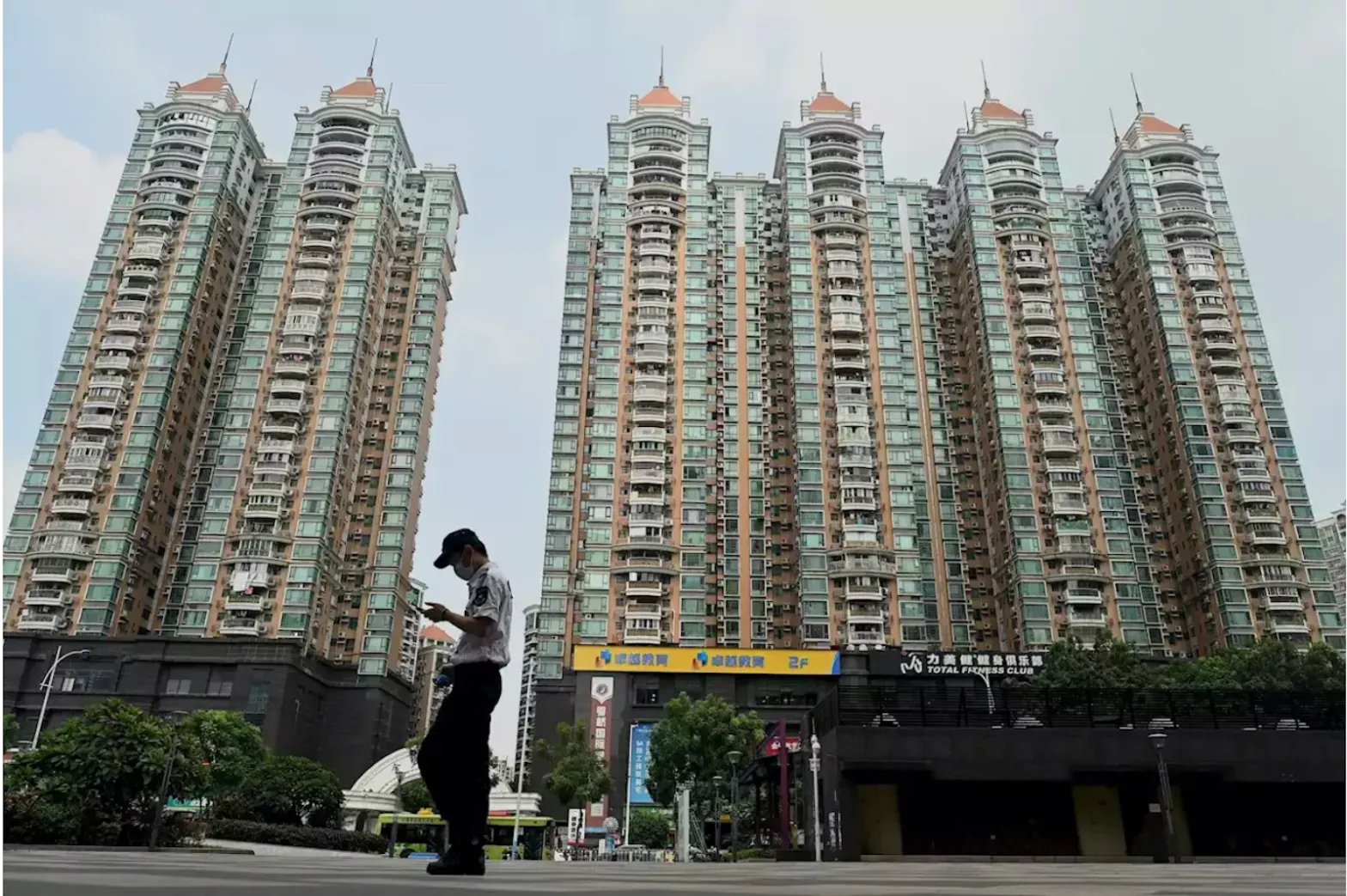
Despite market optimism, structural risks weigh heavily on China. Property giants like Evergrande and Vanke face liquidity crises, with Fitch warning of further defaults. Weak household demand, record youth unemployment, and ongoing deflation dampen confidence.
Economists argue that without deep reforms, stock gains may be temporary. Key challenges include reducing local government debt, curbing state-owned enterprises’ dominance, and expanding safety nets to boost consumption.
Policy dilemmas for Beijing
Beijing faces tough choices. A weaker yuan could boost exports but worsen offshore debt repayment for property firms. Aggressive monetary easing risks undoing years of deleveraging progress. So far, Xi and Premier Li Qiang have resisted easing too much, preferring targeted support measures.
Efforts to stabilize markets include pushing pension funds and households to invest in stocks. Yet critics argue these are short-term fixes rather than structural reforms. The China AI stock rally will only be sustainable if Beijing strengthens capital markets, embraces transparency, and expands space for the private sector.
Outlook for China AI stock rally
For now, investors give Xi’s government the benefit of the doubt, betting that AI, cloud computing, and EVs can carry growth. But confidence will waver if Beijing fails to deliver meaningful reforms. Strengthening debt markets, ending regulatory unpredictability, and reducing overreliance on state-owned enterprises remain crucial steps.
The China AI stock rally highlights both the promise of technological innovation and the peril of economic imbalance. Unless Beijing matches AI ambitions with structural reforms, markets may not continue to rise against the weight of economic reality.