

Trump Hails “Total Reset” in U.S.-China Trade Talks
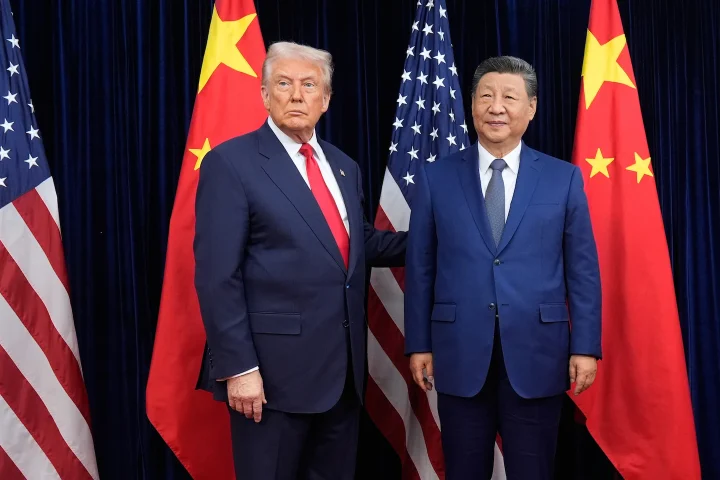
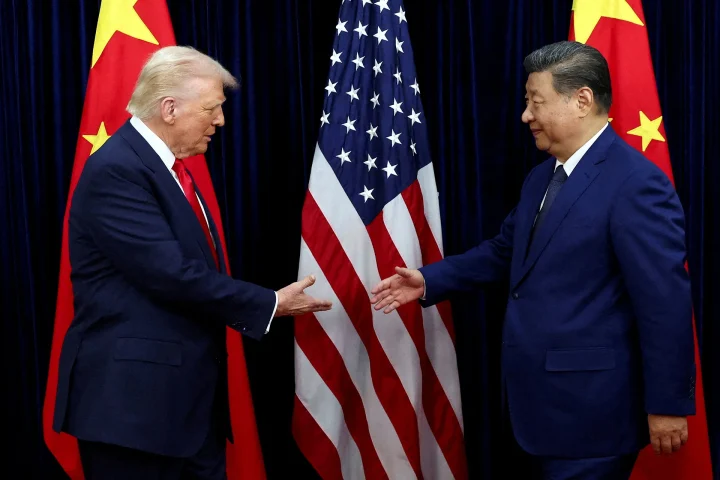
President Donald Trump described the first round of high-level trade negotiations between the United States and China as a “total reset,” signaling optimism after months of escalating tensions. The talks, held in Switzerland, mark the first face-to-face dialogue since Trump imposed sweeping tariffs on Chinese goods earlier this year.
Posting on Truth Social, Trump said the discussions were “very good” and highlighted that changes were being negotiated in a “friendly, but constructive, manner.” He added that the goal is to open up China’s market more fully to American businesses and noted, “GREAT PROGRESS MADE!!!”
Tariff Battle Background
The trade war between the world’s two largest economies intensified recently when Trump introduced a universal baseline tariff on all imports into the U.S., with higher rates for 60 key trading partners, including China and the EU. Chinese goods were hit with 145% tariffs, and Beijing retaliated with 125% levies on select U.S. products.
Despite mounting tensions, Chinese Vice-Premier He Lifeng and U.S. Treasury Secretary Scott Bessent met in Geneva to initiate a de-escalation process. While details remain limited, the discussions are set to continue through Sunday.
No Unilateral Moves, Warns White House
White House Press Secretary Karoline Leavitt made it clear that Washington would not reduce tariffs unless China offers reciprocal concessions. Similarly, Bessent clarified that the talks are focused on easing tensions, not drafting a full-scale trade deal.
Chinese state media emphasized that Beijing chose to engage after carefully weighing global pressure, national interests, and lobbying from American businesses affected by the tariffs.
Trade War’s Economic Impact
The effects of the ongoing trade conflict are being felt on both sides. U.S. GDP shrank by 0.3% in the first quarter of 2025, as companies scrambled to beat the tariff deadlines. Meanwhile, Chinese exporters like Sorbo Technology report that U.S.-bound goods are piling up in warehouses due to weakened demand.
In a recent move, the U.S. and United Kingdom reached a separate trade agreement to reduce Trump’s newly imposed 25% vehicle import tax to 10% for up to 100,000 UK cars annually—equal to the UK’s total auto exports to the U.S. last year.
Trump justified the broader tariff policy, introduced on what he dubbed “Liberation Day,” as long-overdue retaliation for decades of unfair trade practices against the U.S.
Looking Ahead
As discussions continue in Geneva, the global community watches closely. While both countries remain firm in their stances, the renewed engagement offers a glimmer of hope for reducing the strain on global trade and easing economic uncertainty.