
The recent wave of Trump tariff impact on global markets has investors spinning. President Donald Trump’s abrupt and sweeping tariff moves are fueling uncertainty worldwide, sending stocks on a roller-coaster ride. One moment markets plunge in panic, the next they bounce back on sudden pauses and exemptions.
The volatility is relentless—and it’s hitting everyone from Wall Street to Dalal Street.
Markets Whipsawed by Tariff Drama
On April 11, Indian benchmark indices rallied nearly 2%, lifted by a surprise 90-day pause on U.S. tariffs (excluding China). The BSE Midcap and Smallcap indices also surged 2–3%. However, the optimism wasn’t shared across Asia. Japanese stocks dropped 3% amid growing fears of a U.S.-China trade escalation.
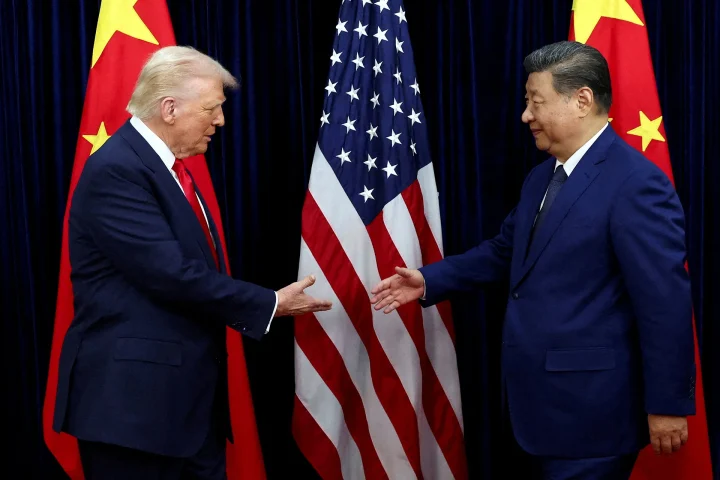
China retaliated by raising tariffs on U.S. goods to 125% from 84%, effective April 12.
Meanwhile, U.S. markets surged, with the S&P 500 soaring 9% on April 9—its biggest one-day gain since 2008—after Trump temporarily exempted countries (except China) from the new tariffs.
But the rebound followed deep losses:
- On April 7, global markets plunged, with Hong Kong falling 13%, Japan 8%, China 7%, and India’s Nifty 3%.
- U.S. indices also dropped roughly 6% on April 4, spurred by fears of an all-out trade war.
Tariff Targets: China and Beyond
Trump’s policy now slaps a 125% tariff on Chinese goods, up from 104%, with a cumulative rate of 145%. Smaller e-commerce parcels under $800 will be taxed 90% starting May 2, tripling the rate from 30%.
India, once exempt, now faces a 26% reciprocal tariff, justified by Trump as a response to India’s own 52% barrier against U.S. imports. Goods like automobiles face a flat 25% tariff, while energy and pharmaceuticals remain exempt.
Neighboring Asian nations such as:
- Cambodia (49%)
- Bangladesh (37%)
- Sri Lanka (44%)
- Vietnam (46%)
…are also facing higher U.S. tariffs, risking disruptions to Asia’s low-end manufacturing ecosystem.
India’s Market Outlook: Eyes on Q4 Earnings
In India, despite a short-term breather, experts remain cautious. Sanjeev Prasad of Kotak Institutional Equities points out that the U.S. goals remain unchanged, fueling ongoing uncertainty for exporters, capex planning, and corporate earnings.
“We see a modest upside for Indian markets since they’ve held up better than global peers,” says Prasad.
Weak Earnings Ahead
Q4FY25 earnings may further dampen investor sentiment. Analysts at JM Financial expect:
- 5% YoY drop in net profit for covered companies
- FY26 EPS cuts in 35% of tracked firms
- Weak performance in IT, auto, chemicals, and media
Elara Capital echoes this caution:
- Revenue growth may slow to 3.5% YoY
- Large-cap firms expected to decline 4% in earnings
- Mid-caps and small-caps may fall 9% and 8% YoY respectively
Sectors dragging earnings:
- Auto and Banks in large and mid-cap
- Energy in small-cap space
📉 Conclusion
The Trump tariff impact on global markets is causing widespread volatility, and the dust is far from settling. As India prepares for Q4 earnings, investors must navigate an environment of tariff tension, geopolitical risk, and economic uncertainty. Whether this is a temporary tremor or a prolonged quake will depend on how the global trade chessboard evolves in the coming months.