
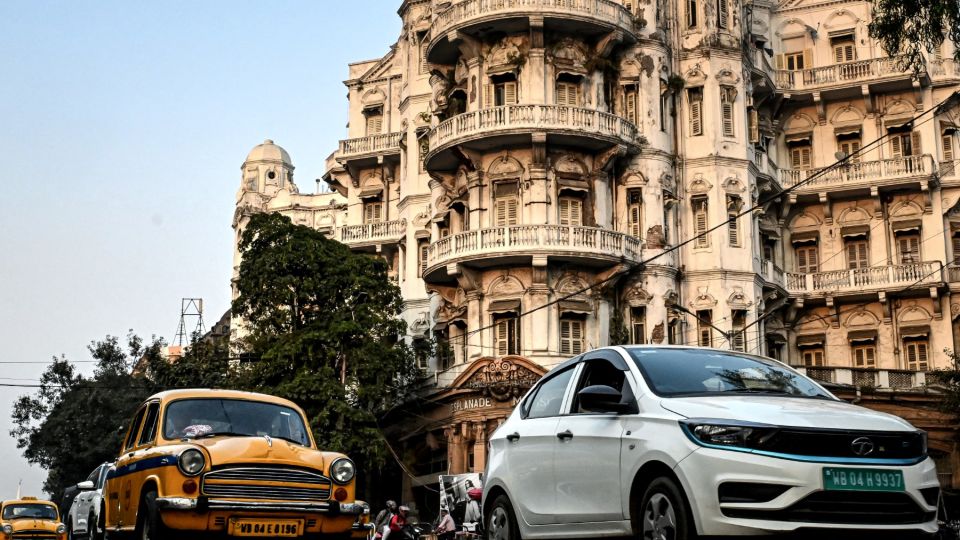
India’s EV market, once seen as aspirational, is now gathering real momentum. On the bustling streets of Indian cities, where air quality often suffers from exhaust fumes, a quiet shift is underway. Electric scooters glide through traffic, three-wheeled rickshaws hum quietly, and city buses are now powered by electricity, replacing the diesel engines that once dominated.
In the financial year 2024-2025, India sold more than 2 million EVs, marking a major milestone. As of now, nearly 6.5 million EVs are on Indian roads, a number that seemed improbable just a few years ago. The April–June 2025 quarter saw a 34% rise in EV sales, capturing approximately 8% of the overall vehicle sales in the country.
A Mass-Market Revolution
Unlike the image of shiny electric sedans favored by early adopters, India’s EV revolution is taking place in the mass-market sector. The transformation is unfolding primarily in two-wheelers, three-wheelers, and city buses — all essential parts of urban mobility. These segments are practical, cost-effective, and indispensable in Indian cities where dense traffic and high fuel costs are common challenges.
More than half of India’s EV sales come from two-wheelers, especially battery-powered scooters and motorcycles. These vehicles are popular among commuters navigating congested streets. Another 36% of sales come from three-wheelers, a segment in which India leads globally in electrification. Electric auto-rickshaws and delivery vehicles are gaining traction, thanks to lower operating costs, minimal maintenance, and predictable daily expenses.
Passenger electric cars, however, still make up a smaller portion of the market, accounting for just 5% of car sales in 2025, a modest increase from earlier years.
Read Also
Nanfeng Mandarins’ Global Expansion
Asia Pacific Markets Today
The Government’s Push for EV Adoption
India’s government is pushing hard for EV adoption, aiming for 30% EV penetration by 2030. However, the current rate of growth — 7-8% EV penetration across all categories — falls short of this target. Nevertheless, electrifying transport is seen as not just a technological shift but also a crucial public health intervention. India is the world’s third-largest emitter of greenhouse gases, and many of its cities, including Delhi, face severe pollution levels. Electrification is viewed as a key strategy to combat these environmental and health challenges.
The government has rolled out subsidies, production-linked incentives, and public procurement mandates to accelerate EV adoption. If the targets are met, India’s annual EV sales could reach 17 million units by 2030, doubling the market value to over $100 billion.
The Role of Public Transport in the EV Transition
The economic case for electric buses is especially clear. Electric buses now account for roughly 20% of new city bus orders, and they are significantly cheaper to operate over a typical 12-year lifecycle. These savings could influence procurement decisions in municipalities that face financial constraints.
However, charging infrastructure remains one of the biggest obstacles. Fast chargers and battery-swapping stations are expanding, but coverage is uneven, especially outside major cities. Many drivers still experience range anxiety, and experts argue that India needs a denser and more predictable charging network to support wider EV adoption.
Challenges in Battery Supply and Infrastructure
India’s dependence on imports for critical minerals, like lithium and cobalt, presents another challenge for the EV transition. The government has launched initiatives to secure these minerals and build domestic manufacturing capacity, but it will take time to establish a reliable supply chain.
While the infrastructure gap is significant, India’s focus on fleets rather than private ownership may help address some of these issues. EVs are already dominant in last-mile delivery services, quick commerce, and high-frequency urban travel. Logistics companies and ride-hailing platforms are ordering EVs in bulk, making electrification easier in these sectors.
Looking Ahead: Optimism Meets Reality
Despite impressive sales growth, the EV market in India faces significant hurdles, particularly in charging infrastructure and battery supply. Awareness of EVs is still limited, and the country has relied more on subsidies than consumer education. As the market matures, efforts to lower battery costs, expand charging networks, and improve public understanding of electric mobility will be crucial to achieving the government’s ambitious goals.
For now, the hum of electric vehicles is becoming more common on India’s roads. Whether it becomes the dominant sound of the next decade will depend on how well India can overcome the toughest challenges of the EV transition.