
China Business Confidence is plummeting in 2025, reaching its lowest level on record due to slow economic growth and geopolitical uncertainties. Specifically, a European Chamber of Commerce survey reveals 73% of firms find China’s market increasingly difficult. Consequently, let’s examine the factors driving this decline and its implications.
Economic Slowdown Challenges
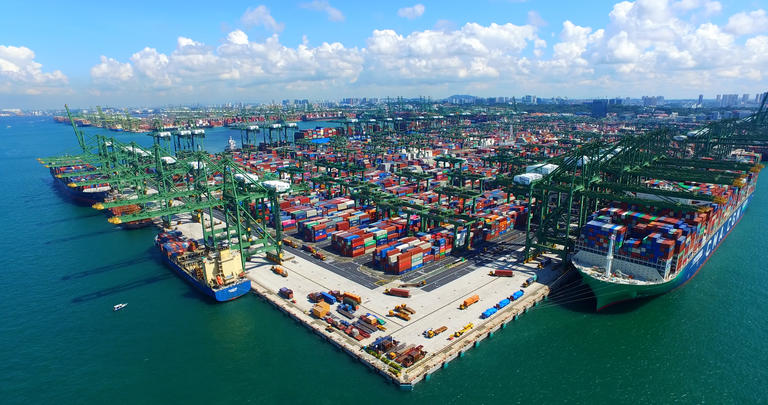
The China Business Confidence drop stems from a sluggish economy. For instance, weak domestic demand and reduced consumer spending hurt sectors like retail and automotive. Moreover, European firms, such as Volkswagen, report losing market share due to competition from local brands. As a result, China’s GDP growth slows to 4.5% in 2025, below pre-pandemic levels.
Geopolitical Tensions
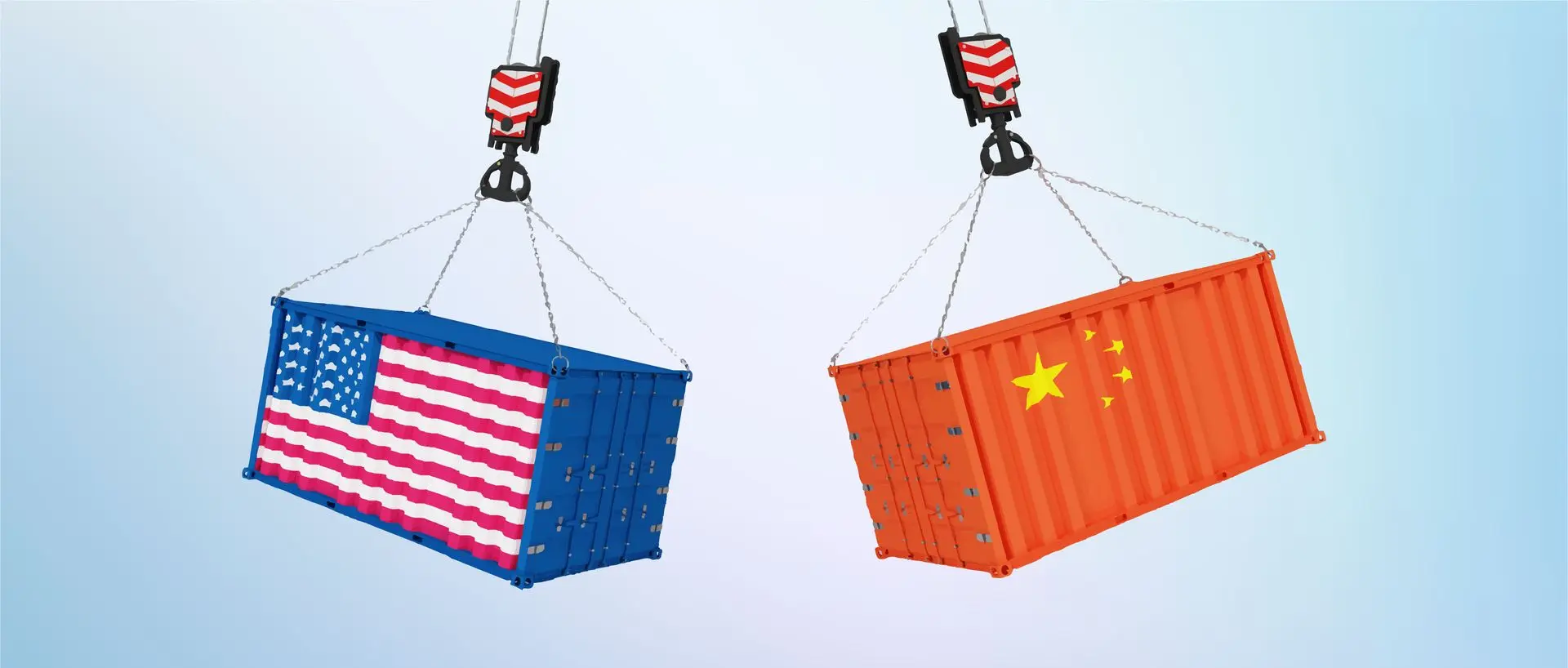
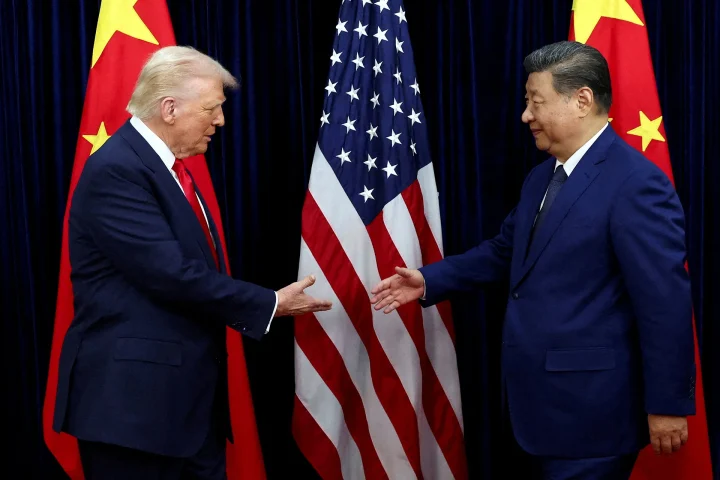
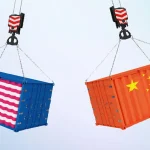
Geopolitical issues further erode China Business Confidence. Specifically, U.S.-China trade tensions, including tariffs and export restrictions, create uncertainty. For example, European companies face opaque regulations, complicating operations. Additionally, fears of escalation over Taiwan, as noted by U.S. Defense Secretary Pete Hegseth, deter investment. Consequently, 73% of surveyed firms report tougher conditions in 2025.
European Firms’ Response
European businesses adapt to the Business Confidence decline by diversifying. For instance, 30% of EU Chamber respondents plan to shift manufacturing to Southeast Asia or India. However, China’s robust supply chains remain compelling, with firms like VW increasing component purchases from Chinese suppliers. As a result, many maintain a presence despite challenges.
Opportunities in China
Despite low China Business Confidence, opportunities persist. For example, Chengdu’s booming real estate and tech sectors attract workers and investors, signaling regional growth. Moreover, Chinese banks’ interest rate cuts in May 2025 boost market sentiment, lifting Shanghai’s stock index. Consequently, firms focusing on innovation, like AI and green tech, find potential in China.
Future Outlook
Looking ahead, China Business Confidence may recover if trade tensions ease. For instance, the 90-day U.S.-China tariff truce offers temporary relief. Additionally, China’s push for domestic tech, led by firms like Huawei, could restore investor trust. To learn more, visit The New York Times Business. Explore our China Economy Guide or Global Investment Tips.
In conclusion, China Business Confidence in 2025 faces significant hurdles. Yet, strategic adaptations and regional opportunities keep China a key player in global business.
Other News:
Chinese Paraglider Claims Survival After Accidental 8,500m Flight