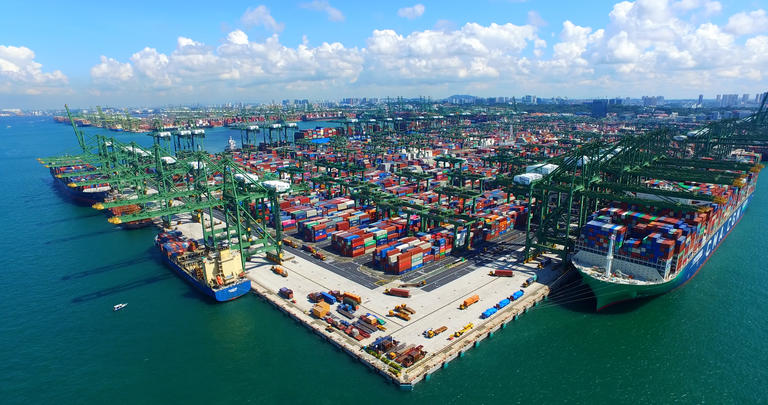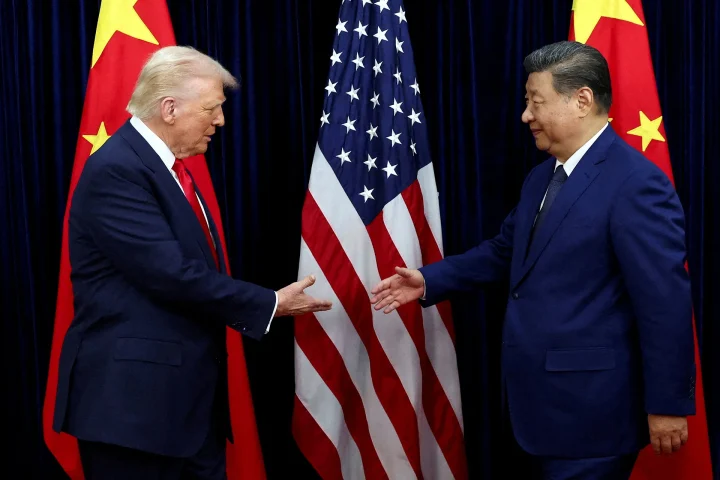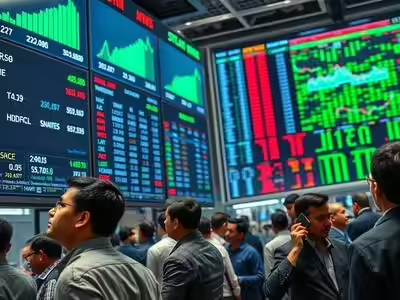

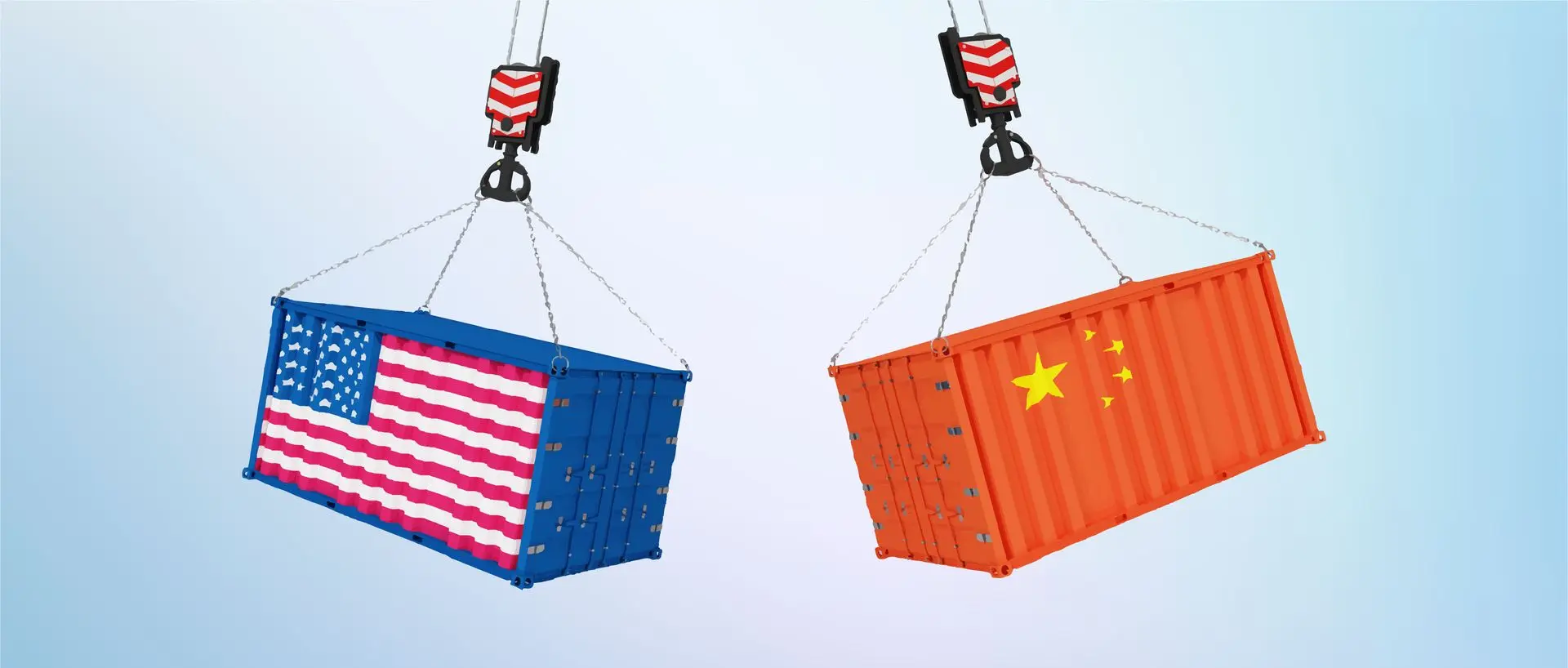
The Asia Trade Tariffs environment faces significant pressure from U.S. policies. For instance, Trump’s proposed 50% tariffs on steel and 32–49% tariffs on six Southeast Asian nations, announced in May 2025, disrupt supply chains. Moreover, these tariffs target countries like China and Malaysia, impacting exports like electronics and textiles. As a result, Asian markets experience volatility, with Hong Kong’s Hang Seng Index slumping over 280 points on May 22, 2025.
ASEAN’s Strategic Response
ASEAN leaders actively counter Asia Trade Tariffs challenges through regional cooperation. For example, the 46th ASEAN Summit in Kuala Lumpur on May 26, 2025, focused on deepening ties with China and Gulf nations to offset U.S. tariff impacts. Additionally, Malaysia’s Prime Minister Anwar Ibrahim emphasized trade diversification to stabilize economies. Consequently, ASEAN’s efforts provide a buffer against global trade uncertainties.
China’s Tariff Mitigation
China, a major player in Asia Trade Tariffs, responds with strategic measures. Specifically, a temporary U.S.-China trade truce in May 2025 lowers tariff rates for 90 days, easing pressures on Chinese exporters. For instance, major banks cut interest rates to boost investor confidence, lifting the Hang Seng Index by 1% on May 20, 2025. Moreover, China’s focus on domestic consumption reduces reliance on U.S. markets. As a result, China mitigates tariff-related losses.
Impact on Small Businesses
The Asia Trade Tariffs hit small businesses hardest. For example, Southeast Asian exporters face higher costs, with tariffs reducing earnings by up to 18% for some firms, according to a recent survey. However, businesses adapt by exploring alternative markets like the EU and Gulf regions. Consequently, diversification helps small enterprises stay competitive despite tariff pressures.
Opportunities in Regional Trade
Despite challenges, Asia Trade Tariffs create opportunities. For instance, the African Continental Free Trade Area (AfCFTA) opens new markets for Asian exporters. Additionally, intra-Asian trade grows, with countries like Singapore and Thailand leveraging AI-driven logistics to streamline supply chains. As a result, Asia strengthens its global trade position. To learn more, visit Reuters Business News. Explore our Asia Trade Guide or Global Supply Chain Tips.
In conclusion, Asia Trade Tariffs in 2025 challenge markets but spur innovation. By diversifying trade and leveraging regional ties, Asia navigates global uncertainties effectively.
Other News:
Chinese Paraglider Claims Survival After Accidental 8,500m Flight
UAE Cricket Victory: Historic T20I Triumph in 2025