
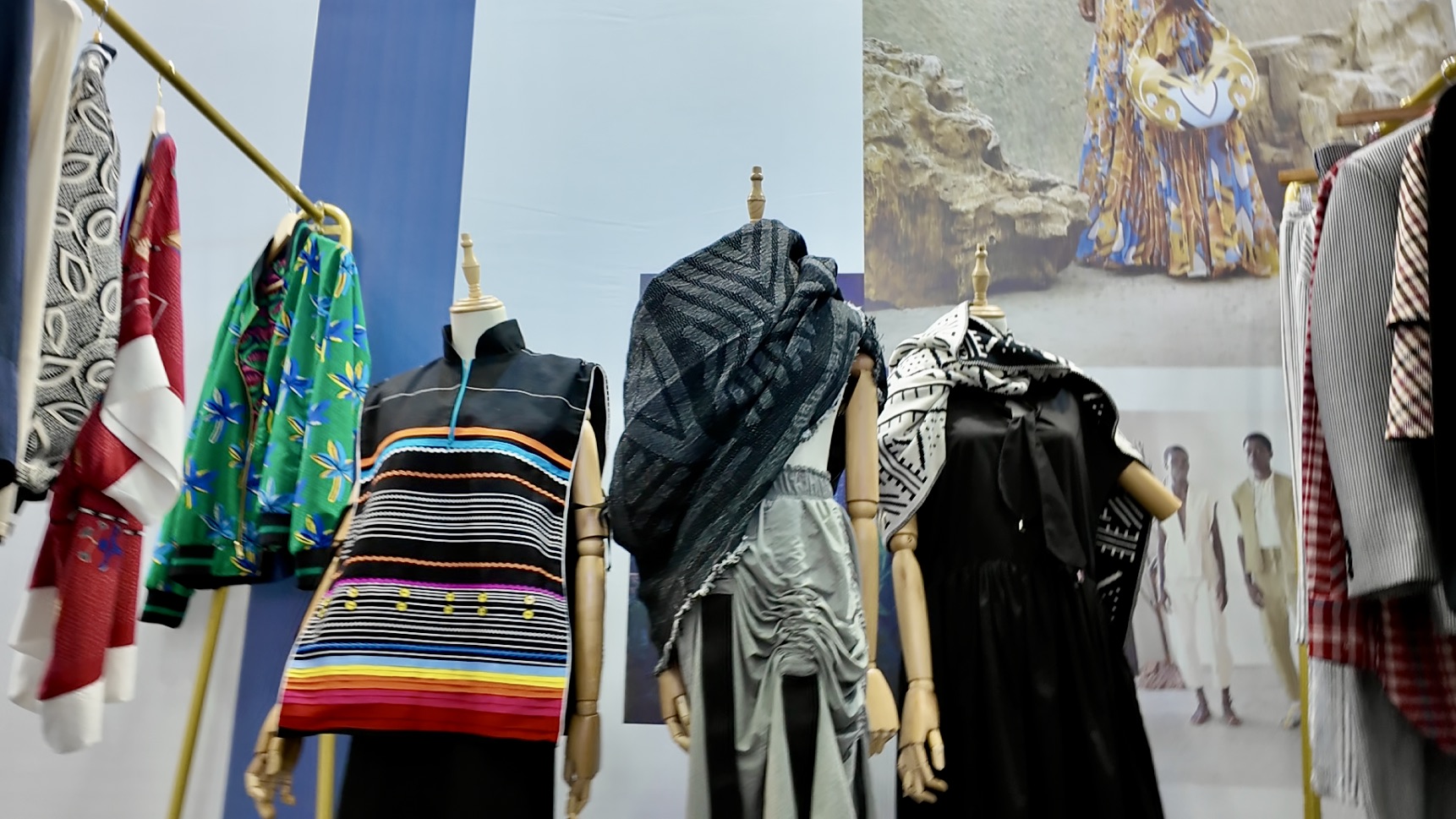
The rise of African fashion in China took center stage at the recent China-Africa Economic and Trade Expo (CAETE) in Changsha, Hunan Province. South African designers Thula Sindi and David Tlale led the movement by showcasing collections aimed at entering the Chinese retail space. Their work not only reflects creativity but also underscores a two-way shift in global trade and cultural collaboration.
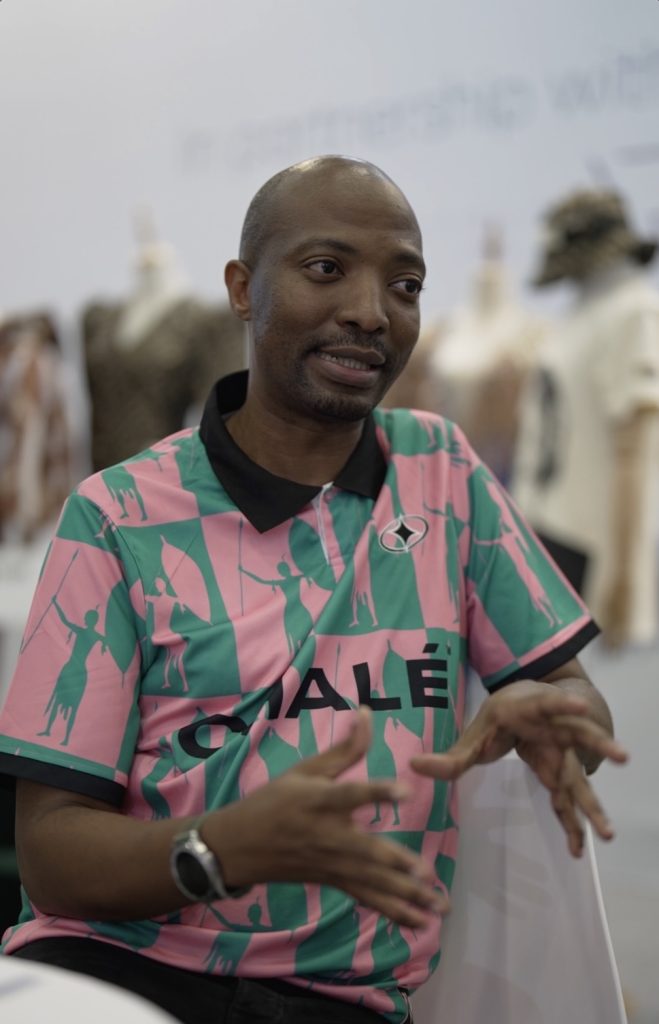
Thula Sindi, known for his AfricaRise stores in Johannesburg and Pretoria, believes now is the time for African brands to plant roots in China. “African businesses need to be in China, just like Chinese businesses are in Africa,” he said. At the Africa Reimagined booth, Sindi displayed curated pieces from multiple African designers, hoping to introduce their unique stories and craftsmanship to Chinese consumers.
Sindi has plans for expansion. He is already discussing options to open an AfricaRise store in Shanghai, calling the city “cosmopolitan and logistically ideal” for e-commerce, deliveries, and returns. His approach challenges fast fashion, instead emphasizing timeless, high-quality, and unique pieces that reflect the identity and culture of African makers. “We are not chasing trends. Our goal is to make designs people can treasure,” he explained.
For Sindi, the similarity between Chinese and African markets lies in their developmental paths and deep cultural roots. “Both regions are shaping their own versions of modernity. Fashion reflects that transformation,” he added, emphasizing why he chose Changsha as a launchpad for broader engagement with China.
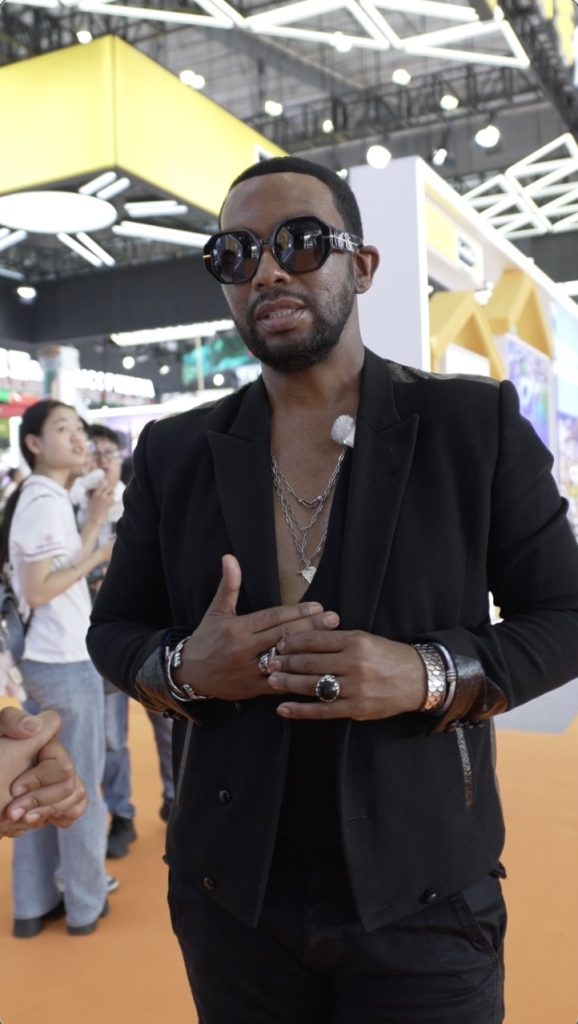
Designer David Tlale, another South African fashion icon, also participated in the expo and business matchmaking forums through the International Trade Centre. Tlale remains committed to South Africa as his base of operations but sees exporting to China as essential for growth. He plans to keep production at home while exploring Chinese retail and tech systems to increase efficiency.
“China’s technology is something we must learn from. Their fashion business is advanced. If we can adapt to their systems, we’ll become more competitive,” said Tlale. He highlighted challenges like protecting intellectual property and understanding legal and cultural expectations. Yet, for him, the opportunities outweigh the risks.
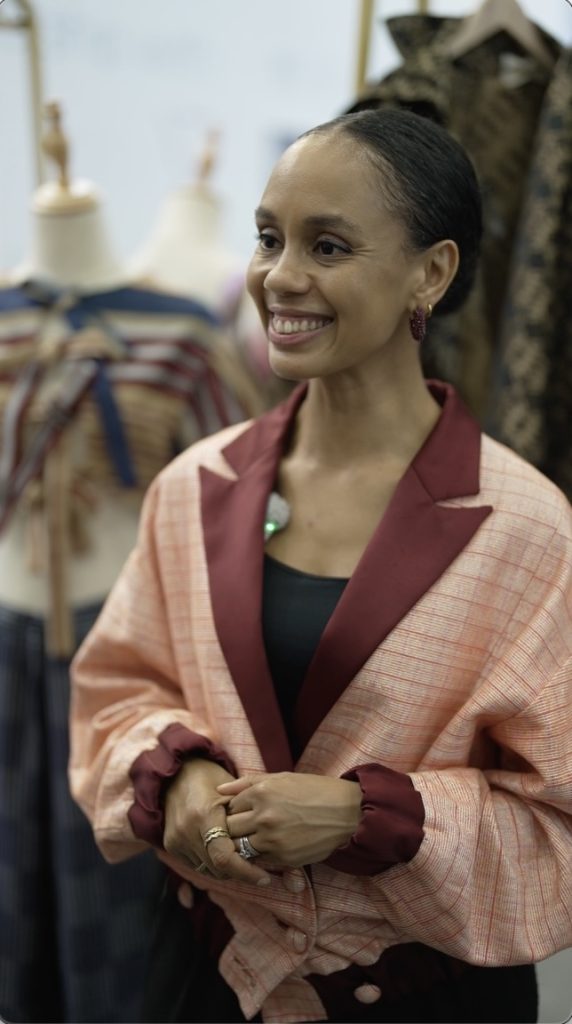
Hannah Ryder, CEO of Development Reimagined and head of the Africa Reimagined project, said that the Chinese market’s diversity makes it ideal for African luxury and ethical fashion. “Chinese consumers want something that stands out. They’re interested in sustainability, artisanal techniques, and unique fabrics—values that African designers already offer,” she explained.
Ryder noted growing interest not only from individual consumers but also from buyers and retailers. She remains optimistic that African fashion labels will soon establish a physical retail presence in China. For now, the Changsha event marked a significant leap forward in mutual cultural and commercial engagement.
The CAETE offered a platform not just for fashion displays but for real dialogue between entrepreneurs, officials, and creatives. The presence of designers like Sindi and Tlale symbolized a new chapter in African fashion in China, one that values storytelling, innovation, and mutual respect in global markets.
As African designers begin establishing themselves in China, they offer more than fashion—they bring a vision of identity, sustainability, and cross-cultural exchange that may reshape how the world views global luxury.