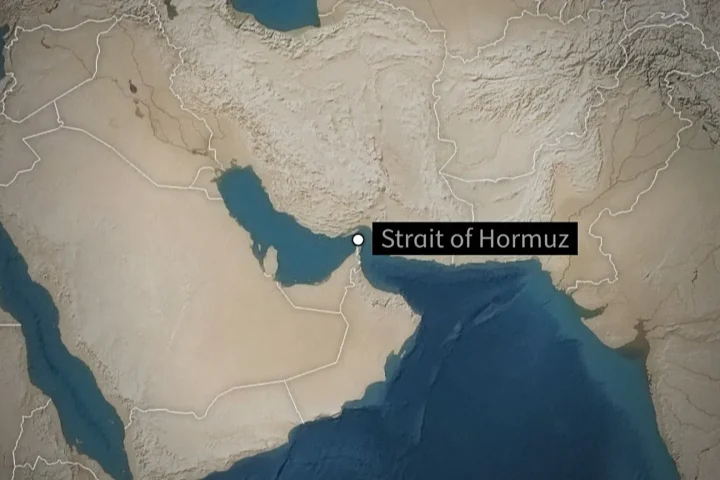


Microsoft Azure service disruptions were reported across the Middle East after undersea fiber cables in the Red Sea were damaged. Microsoft confirmed the issue on Saturday, saying its cloud services had been affected but traffic was rerouted to minimize downtime.
The company explained that global operations remain functional, but users in the Middle East could experience higher latency. “Network traffic that previously passed through the Middle East has been redirected via alternate paths. However, customers should expect slower performance in some cases. Traffic not routed through the region remains unaffected,” Microsoft said in a statement. The company promised daily updates until conditions improve.
Azure, Microsoft’s cloud platform, powers millions of applications for individuals, enterprises, and governments. As the second-largest global cloud provider after Amazon Web Services (AWS), Azure’s reliability is critical to the broader digital economy.
This disruption comes at a time when Microsoft and Amazon are facing scrutiny for their dominance in cloud computing markets. In July, the UK’s Competition and Markets Authority (CMA) reported that the two firms control between 70% and 80% of the UK’s cloud infrastructure. The regulator warned that such concentration limits consumer choice and raises barriers to new competitors, prompting an antitrust probe under the UK’s new digital rules.
Despite these challenges, Microsoft’s financial performance remains strong. The company’s July earnings report showed revenue of $76.4 billion in Q4 2025, an 18% increase compared to last year. Net income hit $27.2 billion, up 24% year-over-year, while earnings per share climbed to $3.65, well above expectations.
Azure has also been expanding its AI portfolio. In May, Microsoft announced that Elon Musk’s xAI Grok 3 and Grok 3 mini models were added to the Azure AI Foundry marketplace. The models come with Microsoft’s standard service-level agreements, giving enterprise customers access to advanced AI systems through the platform.
While the Microsoft Azure service disruptions highlight the risks of global internet infrastructure, Microsoft’s quick rerouting and communication suggest resilience. The company’s ability to maintain operations despite physical cable damage underscores why it remains a central player in the cloud industry.