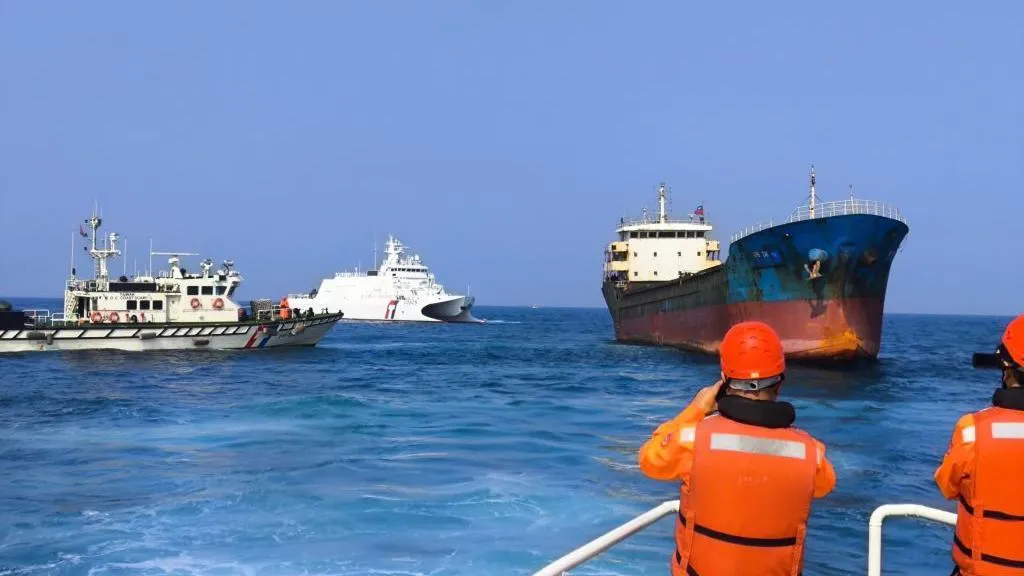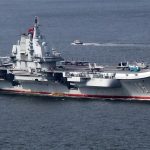


The Japan ASEAN security presence is trending as Japan’s routine naval and defense engagements with ASEAN nations in the South China Sea raise concerns about countering China’s influence. For instance, Japan’s new defense consultation body with India and patrols with the Philippines, highlighted on X, fuel regional debate. Consequently, Asia’s geopolitical balance is shifting. Thus, this article explores the Japan ASEAN security push, its strategies, impacts, and why it’s grabbing attention. Internal link: Asia’s Security Dynamics
The Security Push
Routine ASEAN Engagements
The Japan ASEAN security presence is expanding. Specifically, Japan conducts joint naval drills with Vietnam and the Philippines, per The Straits Times. Moreover, X posts note a new Japan-India defense body, per @See2Min. As a result, maritime security is strengthening.
Countering China’s Sway
Furthermore, China’s influence drives Japan’s strategy. For example, China’s South China Sea claims overlap with ASEAN nations, per EurasiaReview. Additionally, Japan’s $2 billion ASEAN defense fund supports radar systems, per X posts. Therefore, strategic competition is intensifying.
Impacts on Asia and Global Security
ASEAN Maritime Strength
The Japan ASEAN security push bolsters ASEAN. For instance, Indonesia’s navy gained 10% more capacity via Japan’s training, per Reuters. Moreover, X posts highlight Vietnam’s upgraded ports, per @straits_times. Thus, regional defense is enhanced.
Global Geopolitical Shifts
Moreover, the push affects global dynamics. Specifically, Japan’s role aligns with the ASEAN+3 framework, including China and South Korea, per @Kathleen_Tyson_. Additionally, it contrasts with U.S. trade focus, per BBC. As a result, Asian leadership is evolving.
Challenges Facing the Strategy
China’s Regional Pushback
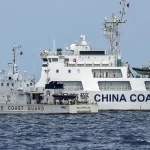
However, Japan ASEAN security faces China’s resistance. For example, China’s coast guard patrols have increased 25%, per South China Morning Post. Moreover, X posts note ASEAN’s neutrality concerns, per @EurasiaReview. Therefore, diplomatic tensions are rising.
Resource and Coordination Limits
Another challenge is resource constraints. Specifically, Japan’s defense budget strains to cover ASEAN aid, per Bloomberg. Furthermore, ASEAN’s diverse priorities complicate unity, per X posts. Consequently, coordination is critical.
The Future of Japan’s Role
Sustained Security Ties
Looking ahead, ASEAN security will deepen. For instance, Japan plans 20 joint exercises by 2026, per X posts. Additionally, Starlink’s connectivity could enhance ASEAN communications, per Reuters. Thus, defense networks will grow.
Global Security Influence
Furthermore, Japan will shape global security. For example, its model inspires African Union diplomacy, per The Africa Report. Moreover, UAE’s mediation success informs Japan’s approach, per The New York Times. As a result, global impact will expand.
In summary, the ASEAN security presence, now routine, strengthens ASEAN defense but sparks South China Sea debate, captivating audiences with its geopolitical stakes. Despite China’s pushback and resource challenges, it promises regional and global impact. As a trending story, Japan ASEAN security drives clicks with its bold vision.