

Parents Weep Over Backpacks and Toys as Myanmar Earthquake Claims Dozens of Preschool Lives
Amid the shattered remains of a preschool in Kyaukse, Myanmar, heartbroken parents cried out for their children—many of whom were among the youngest victims of a devastating 7.7 magnitude earthquake that struck on Friday.
Scattered among the rubble were brightly colored backpacks, Spiderman toys, and alphabet charts—symbols of innocent lives lost. The powerful quake, which killed more than 2,000 people across the country, reduced the two-level preschool to rubble while more than 70 children were attending class.
Twelve children and a teacher have been confirmed dead by the school, but local residents fear the true toll may be much higher, with as many as 40 children believed to have been on the collapsed ground floor.
Kywe Nyein, a grieving grandfather, wiped away tears as he described the moment his family found the lifeless body of his five-year-old granddaughter, Thet Hter San. “Her mother ran to the school after the quake hit, but it had already collapsed. We were lucky to recover her body intact,” he said, voice trembling.
Locals worked together to pull bodies from the rubble while mothers screamed the names of their missing children through the night. Now, three days later, a heavy silence lingers. The pain is still raw, and the town is mourning.
Elsewhere in the quake-hit Mandalay region and capital Nay Pyi Taw, rescue operations remain limited. In the capital, a government residential building’s ground floor collapsed, trapping residents beneath three floors. Blood stains and a strong odor hung in the air—signs of the dead—but no formal rescue teams were in sight.
Aid groups are warning of a rapidly worsening humanitarian crisis. Hospitals have been damaged, including the capital’s largest facility, where injured patients are now being treated in makeshift tents under scorching 40°C heat. The emergency ward’s roof had collapsed, and outside, military medical trucks and spray-cooled tents attempted to cope with the overflow of injured survivors.
“We saw around 200 injured people, many with bloodied faces or broken limbs,” a reporter noted. Even Myanmar’s Health Minister, Dr. Thet Khaing Win, was seen reprimanding staff as chaos unfolded around the overwhelmed medical tents.
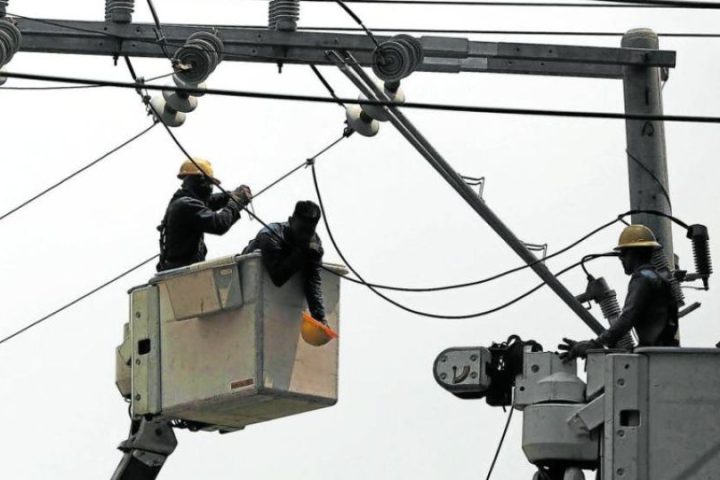
Travelling through the devastated region, reporters encountered broken roads, cracked bridges, and power outages. Many people have been sleeping outdoors, terrified of aftershocks and unable to trust the safety of buildings.
Myanmar is no stranger to tragedy, but this disaster has left an entire nation reeling—especially those left with only memories of their children, now buried beneath the rubble of what was once a place of learning and laughter.