

The Thailand tariff deal has eased pressure on exporters after cutting U.S. tariffs from 36% to 19%. While this brings relief, the agreement left several key issues unresolved. Thai industries can now plan ahead, but officials and business leaders remain cautious.
President Trump’s April announcement on tariffs stunned Southeast Asia. His plan imposed levies of up to 49% on exports from Thailand, Vietnam, Malaysia, and Cambodia. The move shocked policymakers in a region built around global exports.
Thailand received a 36% levy, yet delayed negotiations. Domestic politics and diplomatic rifts with Washington slowed progress. The Thai government deported Uyghur asylum-seekers to China and jailed a U.S. academic. Both incidents upset U.S. officials and surfaced during trade discussions.
In contrast, Vietnam acted quickly and reduced its tariff from 46% to 20%. Trump claimed the Vietnamese deal included zero tariffs for U.S. imports. However, Vietnamese leaders released no confirmation, and no official paperwork followed. Nevertheless, Vietnam set the tone for others in the region.
Indonesia and the Philippines soon followed. Although their exports to the U.S. are smaller, they negotiated reductions to 19%. Thailand, despite exporting over $63 billion to the U.S. annually, struggled to secure terms.
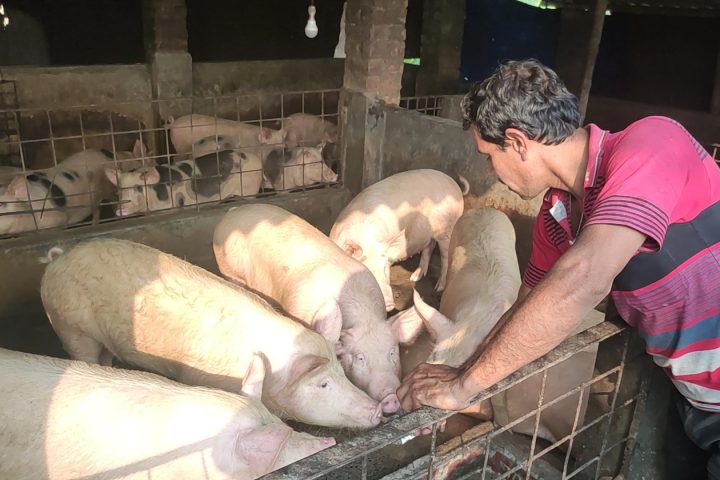
U.S. negotiators demanded wider access to Thailand’s protected agricultural market. That created friction. Thai agribusiness giants like CP Group voiced opposition. Farmers also pushed back against the idea of increased competition from cheaper U.S. products.
Pork farmer Worawut Siripun raised concerns. “We can’t compete with U.S. prices,” he said. “Their production is much larger and more efficient.” He urged the government to protect local producers from collapse.
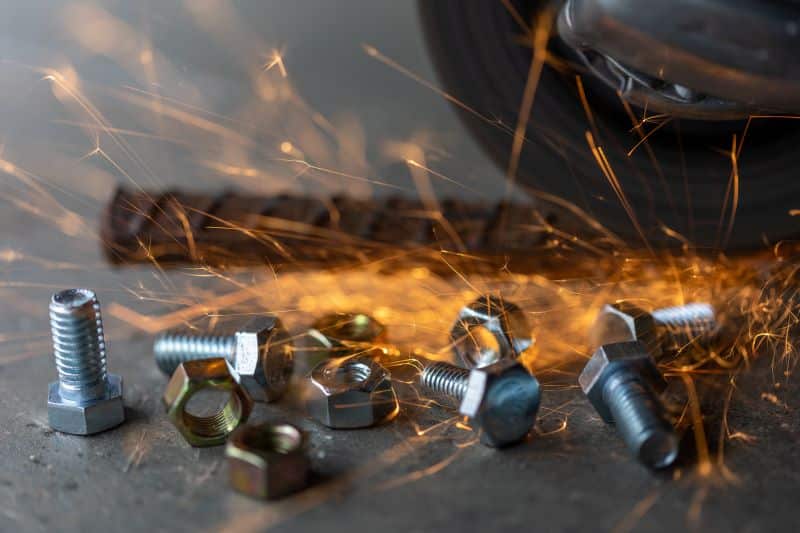
Despite the resistance, Thailand’s manufacturers demanded a solution. SK Polymer’s deputy director, Suparp Suwanpimolkul, said a 36% tariff would ruin their business. “We survive on tight margins,” he explained. “At most, we can handle a 20% rate.” His firm supplies rubber parts used in many U.S.-bound goods.
Richard Han, CEO of Hana Microelectronics, echoed that view. A 20% tariff was manageable, he said. His company supplies core electronics for global tech. Han warned that anything above that would push buyers to other countries.
The Thailand tariff deal also raised fears about trans-shipment violations. The U.S. accused China of funneling goods through Southeast Asia to dodge tariffs. Trump slapped Vietnam with a 40% tariff on any goods flagged as trans-shipped. Thai exporters now face the same risk.
Han explained why avoiding Chinese components is nearly impossible. “Southeast Asia depends on China’s supply chain,” he said. “We can’t match that scale or cost elsewhere.”
WTO rules allow goods to qualify as local if 40% of their value comes from domestic production. But the Trump administration ignores those rules. This creates uncertainty for companies trying to prove product origin.
At electronics manufacturer SVI, the global nature of the supply chain is clear. Robots assemble parts from China, Malaysia, Taiwan, and the Philippines. Their final products include medical equipment and surveillance systems. Untangling this complex web would be costly and inefficient.
Despite the confusion, Thai officials felt relief. Although unclear, the Thailand tariff deal brought short-term stability. Trump’s claim that the Philippines and Indonesia gave up all tariffs on U.S. imports remains disputed. However, officials agreed that many details could take years to finalize.
For Thai industries, a partial deal is better than none. Manufacturers now have time to adjust and regroup. However, the challenge of compliance and origin verification looms large.
“We still don’t know the rules,” said Richard Han. “We’re standing still, waiting to learn how to play the new game.” His comment sums up the broader uncertainty in Thailand and the region.