

Thailand Cambodia ceasefire takes effect at midnight, ending five days of fierce fighting along the two nations’ disputed jungle frontier. At least 36 people have died, and more than 270,000 civilians have been displaced during the intense border conflict.
The Roots of a Longstanding Dispute
This flashpoint lies in a contested area surrounding ancient temples, where both countries lay claim due to a 1907 boundary drawn by Cambodia’s former French colonial rulers. Although clashes have occurred before, the current round is the deadliest since 2011.
Thailand and Cambodia have frequently exchanged blame, with both militaries accusing the other of initiating the violence. These tensions continue to fuel nationalistic sentiment on both sides of the border.
Read Also
Duterte Skips Marcos Sona Again Amid Deepening Rift
Japan Panel Reviews Blocking Illegal Online Casinos in Four Steps
Breakthrough via ASEAN-Led Mediation
The breakthrough came after Malaysian Prime Minister Anwar Ibrahim, ASEAN chair, hosted both sides for urgent peace talks. Thai acting Prime Minister Phumtham Wechayachai and Cambodian Prime Minister Hun Manet joined him in Putrajaya, Malaysia.
Reading a joint statement, Anwar announced an “immediate and unconditional ceasefire,” describing it as a crucial first step toward restoring peace and regional security. A meeting between the two countries’ military commanders will occur the next morning, followed by a cross-border committee gathering on August 4 in Cambodia.
U.S. Influence and Trilateral Diplomacy
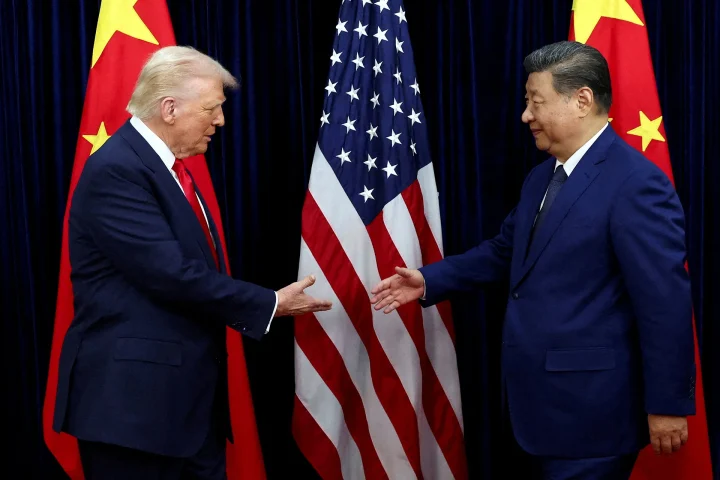
Former U.S. President Donald Trump also played a role in the process. Both countries seek favorable trade agreements with Washington and hope to avoid punitive tariffs. Trump reportedly urged the parties to “quickly work out” a resolution.
Cambodia’s Hun Manet praised the results and credited Trump’s “decisive” support for helping secure the ceasefire. He said the truce “will serve as a foundation for future de-escalation.”
Casualties and Continuing Clashes
Even as the deal was announced, artillery fire was still reported near Samraong, a Cambodian city close to the contested border. The Thai military accused Cambodia of mobilizing snipers and heavy weapons near temples, while Cambodia accused Thailand of troop invasions and shelling.
Thailand confirmed 23 deaths—nine soldiers and 14 civilians—while Cambodia reported 13 fatalities, including eight civilians and five troops. Thai forces have returned the bodies of 12 Cambodian soldiers as a humanitarian gesture.
National Sentiment and Civilian Displacement
The Thailand Cambodia ceasefire comes amid rising nationalist pressure and massive displacement. Approximately 138,000 Thais and 140,000 Cambodians have fled the violence, seeking shelter in camps that now face shortages in food, water, and medicine.
With anti-Cambodian sentiment rising in Thai cities, authorities urged citizens to avoid provocative speech or violence against Cambodian migrants. Thai officials also canceled King Maha Vajiralongkorn’s 73rd birthday celebrations due to the ongoing unrest.
Next Steps for Peace
Both governments agree that the ceasefire must be honored in good faith. Phumtham stressed Thailand’s commitment to peace while defending its sovereignty. Hun Manet echoed that sentiment, noting that regional stability would require sustained trust and cooperation.
Military and diplomatic follow-up will determine whether the fragile peace holds. For now, the Thailand Cambodia ceasefire offers a much-needed pause, allowing both nations to reflect on the cost of conflict and the value of diplomacy.
Thailand Cambodia ceasefire efforts, while still early, have changed the trajectory of the crisis. As regional and global actors look on, the fragile peace may yet evolve into lasting resolution—if both nations honor their commitments.