

Singapore population growth reached 6.11 million in June, a 1.2% rise compared to the previous year. This marks a record high and reflects steady expansion since the pandemic ended. During that period, strict border rules kept foreigners out and even caused a rare population decline.
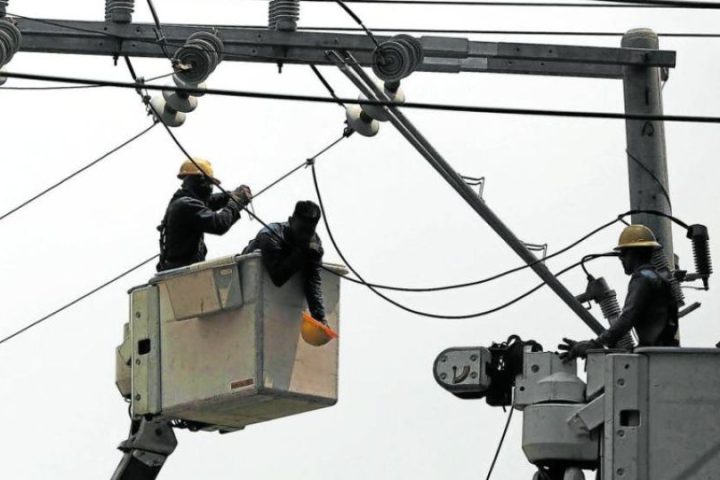
The recent increase came mainly from foreign workers. Their numbers climbed to 1.91 million in June, up 2.7% year-on-year. Officials said most of them are employed in construction, marine shipyard, processing industries, and domestic work. Construction workers play a vital role in large projects such as Changi Terminal 5 and the ramp-up of public housing.
Citizen numbers also grew, though modestly. The citizen population rose 0.7% to 3.66 million, while permanent residents remained steady at 0.54 million. The growth highlights stability, but the foreign workforce still raises political concerns. In land-scarce Singapore, many citizens fear job competition and higher living costs. In 2013, protests erupted against plans to expand the population to 6.9 million by 2030.
Authorities stressed that the pace of foreign employment growth stayed stable between June 2024 and June 2025. Unemployment in Singapore was just 2% in June, despite fewer job vacancies. This shows the labor market remains tight even as businesses worry about a slowing economy.
Singapore’s economy expanded 4.4% year-on-year in the April-June quarter, faster than earlier estimates. However, growth is expected to slow in the second half of the year. Rising U.S. tariffs and global uncertainty add pressure to companies already cautious about hiring.
In this context, Singapore population growth underscores the delicate balance between economic needs and social pressures. The nation depends heavily on foreign workers to support development. Yet leaders must also address citizen concerns about jobs and affordability. The June figures show both the opportunities and challenges of managing growth in a global city.