
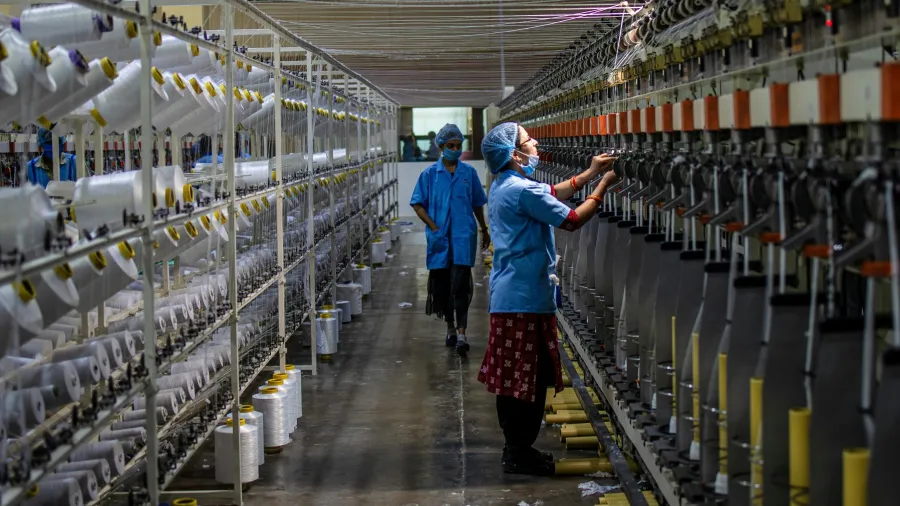
Singapore’s manufacturing sector remains cautiously optimistic heading into 2026, with a notable 32.4% growth in semiconductor production. According to the Economic Development Board’s (EDB) latest Business Expectations Survey, 63% of manufacturers expect stable business conditions from January to June 2026. Despite economic uncertainties, the strong performance of the semiconductor segment has contributed significantly to this positive sentiment.
Semiconductors’ Growth Fuels Optimism
The semiconductor industry has become the key driver of growth within Singapore’s manufacturing sector. In December 2025, the city-state’s manufacturing output surged by 8.3%, with the electronics sector posting a remarkable 30.8% growth. The semiconductor segment alone saw a 32.4% increase in production, reflecting sustained demand for artificial intelligence (AI)-related products. This growth aligns with global trends, where AI applications continue to boost the demand for semiconductors, particularly in areas such as data processing and machine learning.
Electronics Cluster Shows the Most Promise
The EDB’s survey highlights the electronics cluster as the most optimistic, with 33% of firms expecting positive business prospects for the next six months. Much of this optimism stems from the semiconductor sector, which is benefiting from robust demand for AI technology, despite concerns over global trade tensions and US tariffs. The positive outlook reflects confidence in continued expansion within the sector.
Other Sectors Display Mixed Sentiment
While the electronics and semiconductor sectors exhibit strong growth projections, other manufacturing segments are less certain. The transport engineering cluster, for instance, sees 10% of firms expecting favorable business conditions, primarily driven by the demand for aircraft maintenance and repair services. Similarly, the biomedical manufacturing cluster reports 8% optimism, largely due to expectations of higher exports in the pharmaceuticals segment.
However, the chemicals cluster has expressed caution, with 17% of firms forecasting a weaker outlook. This subdued sentiment is particularly evident in the petroleum segment, where concerns over macroeconomic uncertainties are dampening demand for refining products and impacting profit margins.
Industry Outlook for the First Half of 2026
Overall, the manufacturing outlook for Singapore in the first half of 2026 is cautiously positive. The EDB’s survey indicates that 24% of manufacturers expect improved conditions, while 13% anticipate a downturn. This results in a net weighted balance of 11%, suggesting a slight edge in optimism within the sector.
Despite some challenges, the semiconductor industry’s robust growth is expected to play a crucial role in maintaining this optimism. As global demand for AI products and technologies continues to rise, Singapore’s manufacturing sector is poised to benefit from its strong semiconductor production capabilities.