

Modi Japan China visit highlights both India’s balancing act in Asia and its shifting response to tensions with Washington. Prime Minister Narendra Modi traveled first to Tokyo, where he met Japanese leader Shigeru Ishiba, then to Tianjin for his first trip to China in seven years. His meetings with President Xi Jinping underscored a delicate detente between Beijing and New Delhi.
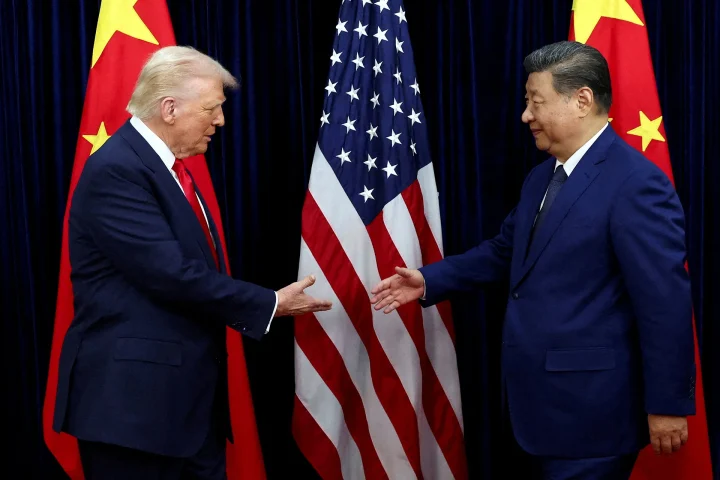
The contrast with Washington is striking. Days before the visit, the US imposed 50% tariffs on Indian exports, dampening years of cooperation framed around countering China. In Tianjin, Xi told Modi that China and India should see each other as “partners rather than rivals” and embrace the “dance of the dragon and the elephant.” Modi responded by emphasizing cooperation for the benefit of 2.8 billion people and pledged to strengthen ties based on “trust, respect, and sensitivity.”
India and China have recently cooled tensions after the 2020 Galwan clash in Ladakh strained relations. Both countries agreed in October 2024 on new border-patrolling rules. They also announced a working group for effective border management in August. Although thousands of troops remain near the frontier, officials describe relations as “more mature.” Analysts in Shanghai and New Delhi say both sides recognize the economic and strategic risks of continued hostility.
Economics drives much of this reset. India fears US tariffs could cut up to 0.8 percentage points from its annual growth, while China needs new markets. Beijing wants to sell into India’s vast consumer base, and New Delhi wants Chinese investment in infrastructure. Yet, structural issues persist, including India’s trade deficit, China’s ties with Pakistan, and disagreements over Tibet. Former Indian ambassador Anil Wadhwa warned that long-term progress depends on addressing these concerns while preventing new border clashes.
With Japan, the picture looks clearer. Modi’s Tokyo summit brought major commitments: Tokyo pledged 10 trillion yen in investment for AI, semiconductors, supply chains, and critical minerals. India also reaffirmed plans to use Japanese Shinkansen technology for its Mumbai–Ahmedabad high-speed rail. Both countries issued a joint statement raising concern over the East and South China Seas. Analysts view Japan as India’s most reliable Indo-Pacific partner at a time when US policy under Donald Trump appears unpredictable.
Observers say the trip’s order—Japan before China—was deliberate. India wanted to reassure allies that it is not leaning too far toward Beijing, even as it pursues détente. As Professor Zhang Jiadong of Fudan University explained, this “balancing diplomacy” allows India to reduce friction with China while maintaining partnerships elsewhere.
The Modi Japan China visit marks a new phase in India’s diplomacy. Caught between strained US ties and opportunities in Asia, New Delhi is hedging its bets. By strengthening ties with Tokyo and cautiously mending relations with Beijing, India is signaling that it will not rely on any single partner, but instead shape its own path in a volatile global order.
READ: Jakarta Protests Turn Violent With Lawmaker Homes Looted