
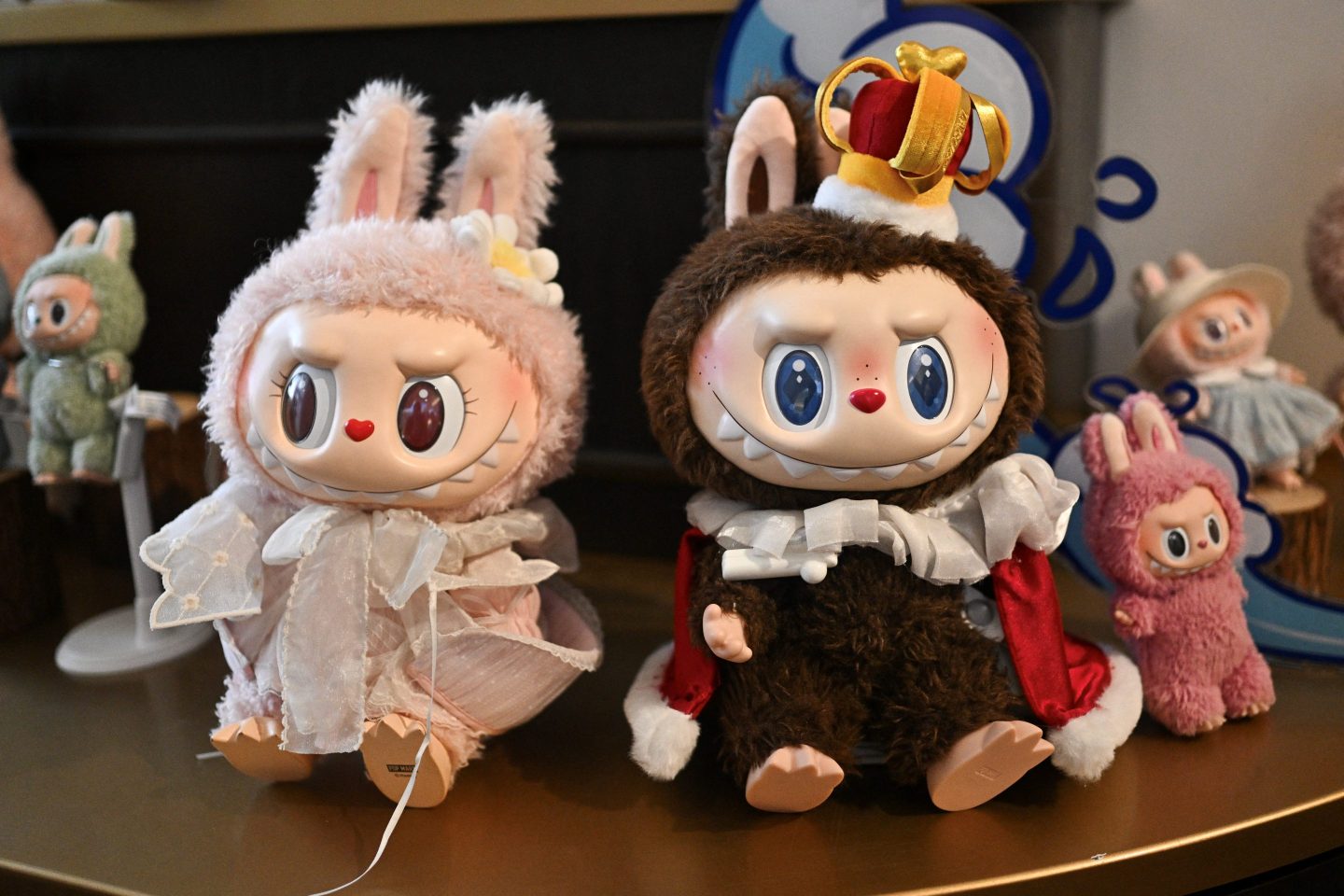
The quirky and elf-like Labubu dolls have exploded in popularity, taking the internet, celebrities, and collectors by storm. Originally created by Hong Kong artist Kasing Lung for Pop Mart’s The Monsters series, these figures are now at the heart of a global obsession. From the streets of Shanghai to the boutiques of London and the hands of pop icons like Rihanna and Lisa from Blackpink, the Labubu dolls global popularity has soared beyond anyone’s expectations.
Featuring mischievous grins, pointy ears, and soft plush bodies, Labubu dolls are known for their unique blend of cute, weird, and oddly irresistible. While their rise may seem sudden, their global takeover has been years in the making—built on a blend of smart marketing, emotional resonance, and a touch of celebrity magic.
What Makes Labubu So Addictive?
Described as “kind-hearted but chaotic,” Labubu was first launched by Pop Mart in collaboration with artist Kasing Lung. The character debuted in blind box collections, where buyers would not know which version they were getting until they opened the package—a key ingredient in building collector excitement.
Each Labubu features signature traits—nine visible teeth, oversized eyes, and whimsical designs—but comes in various themes like Exciting Macaron, Fall in Wild, or Artistic Quest. The randomness and variety have fueled a sense of thrill and exclusivity, turning each purchase into a treasure hunt.
Adding to the frenzy are “chaser” dolls—rare editions that fans, like Singaporean collector Desmond Tan, passionately seek. For some, the act of shaking boxes to guess the contents has become an addictive ritual.
From Local Favorite to Global Icon
While Labubu first gained traction in China around 2019, its real breakout came post-COVID. According to market analyst Ashley Dudarenok, the character’s chaotic charm offered a kind of emotional escapism. “Labubu embodied anti-perfectionism—something people connected with deeply after the pandemic,” she noted.
Social media soon picked up the trend. In 2024, Lisa of Blackpink shared her Labubu collection, followed by Rihanna, Kim Kardashian, and even David Beckham in 2025. Each celebrity post catapulted Labubu deeper into the mainstream, turning what was once a niche toy into an international fashion statement.
Labubu dolls now appear clipped to handbags, perched on office desks, and unboxed in viral TikToks. They’ve become more than toys—they’re identity pieces.
How Pop Mart Built a Toy Empire
Founded by entrepreneur Wang Ning in Beijing in 2010, Pop Mart began as a discount store. But by 2016, it struck gold with the blind box format, launching its first designer toy series with artist Kenny Wong.
Labubu’s immense success helped Pop Mart go public in 2020. Since then, the brand has opened over 2,000 roboshops and expanded into more than 30 countries, with 40% of its revenue now from international markets. However, surging demand has caused several global stores to temporarily halt sales, while Chinese customs have seized tens of thousands of counterfeits—proof of Labubu’s cult status.
The Magic Formula: Affordable, Trendy, and Mysterious
Part of Labubu’s appeal lies in its accessibility. While prices have skyrocketed in secondhand markets, most retail for $18–$70—affordable enough to appeal to collectors without alienating casual buyers.
This affordability, coupled with the blind box surprise, fuels a sense of achievement and FOMO. Fans like Fiona Zhang from Canada say the dolls bring joy and satisfaction, especially when acquired through competitive drops or rare pulls.
“It’s like a badge of honor,” she says. “You feel lucky and part of something bigger.”
Labubu as a Soft Power Symbol
While Labubu’s appeal might seem random, it’s been hailed as an example of rising Chinese cultural influence. State media, including Xinhua, celebrate Labubu as a showcase of “cool China”—creative, globally relevant, and emotionally resonant.
Other Chinese exports like the video game Black Myth: Wukong and animated film Nezha further reinforce this narrative, suggesting a shift in how Chinese pop culture is perceived globally.
As Chris Pereira of iMpact consultancy puts it, “These brands are so good that people forget they’re from China. They’re just too compelling to ignore.”
What’s Next for Labubu?
With millions of fans worldwide, collaborations on the rise, and prices climbing, Labubu shows no signs of slowing down. Whether seen as collectibles, fashion accessories, or cultural icons, Labubu dolls have created a unique space where quirk meets culture, and cuteness meets chaos.
In a digital world craving both surprise and self-expression, Labubu dolls have found their perfect moment.https://www.youtube.com/watch?v=b8TRI63WkP8