
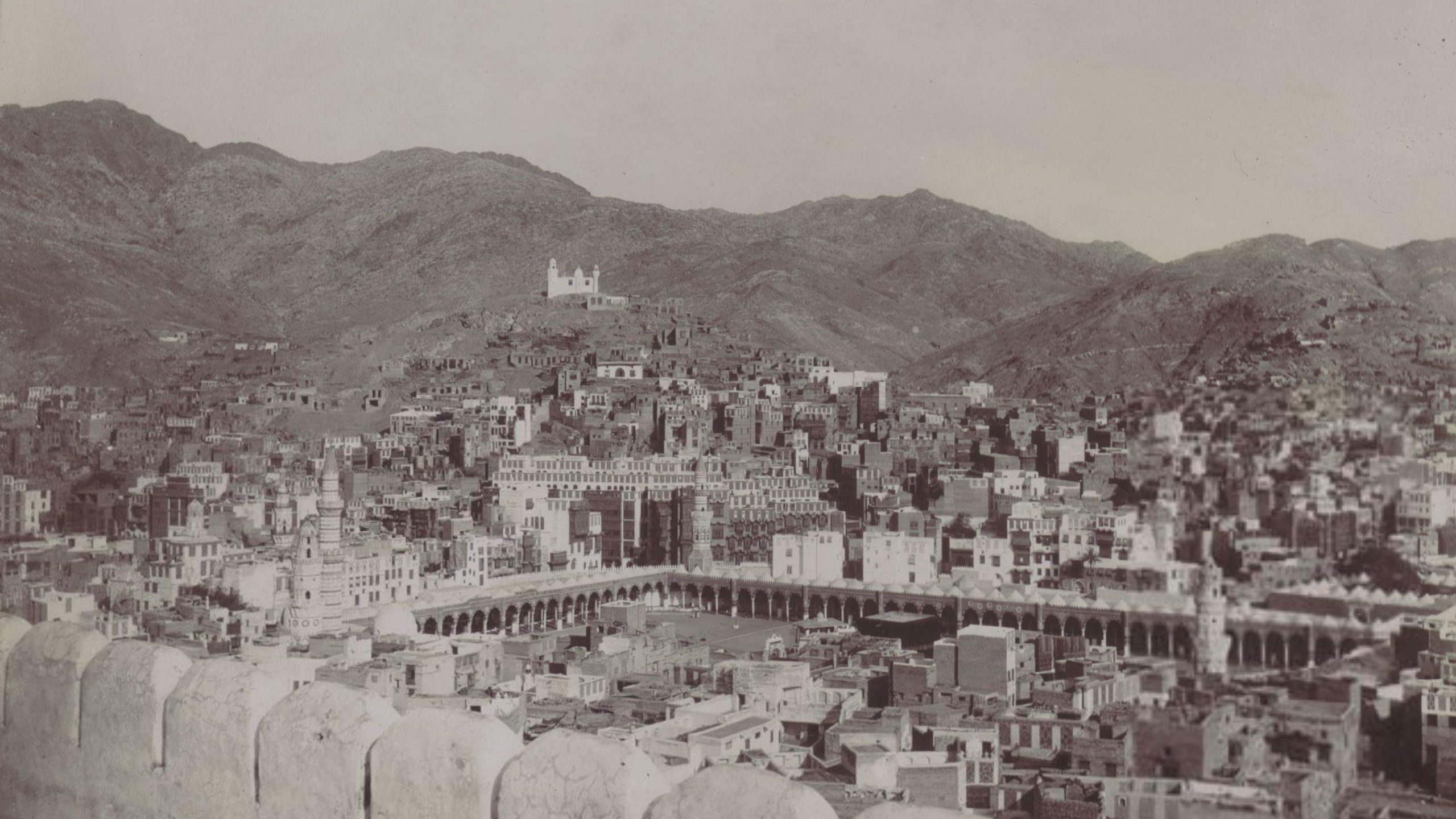
The Keyi Rubath, a 19th-century guest house built in the 1870s by Mayankutty Keyi near Masjid al-Haram in Mecca, has fueled a 50-year inheritance dispute in Kerala, India. Demolished in 1971 for Mecca’s expansion, Saudi authorities deposited 1.4 million riyals (≈$373,000 today) as compensation, but no heir was identified. Now, two families—the Keyis and Arakkals—battle over the funds, with some claiming it could be worth $1 billion today. Here’s the story.
The Dispute’s Roots
Mayankutty Keyi, a wealthy Malabar merchant, built the 22-room Keyi Rubath for Hajj pilgrims from Kerala, shipping wood from India. The property, a waqf (Islamic endowment), was demolished three times, finally in 1971. The Keyi family claims Mayankutty died childless, making his sister’s children heirs under their matrilineal tradition. The Arakkals, Kerala’s Muslim royal family into which Mayankutty married, insist he had a son and daughter, entitling their descendants under Indian law. Saudi law, rejecting matrilineal systems, complicates matters.
Escalating Tensions
In 1972, Kerala officials certified C.V. Aluppy Keyi and C.V. Moidu Keyi as heirs, but Arakkals challenged this, citing Mayankutty’s children. By 2011, rumors of millions drew 2,500+ claimants in Kannur. Scams emerged, with 2017 fraudsters posing as heirs. The Kerala government appointed T.O. Sooraj in 2013 to negotiate, but no resolution has emerged. X posts, like @bbcnewstelugu’s, highlight ongoing family clashes.
Stakes and Solutions
The compensation, held in Saudi’s Awqaf department, may not include inflation adjustments, per BM Jamal, former Central Waqf Council secretary. Some Keyis, like C.P. Alippy Keyi, argue the waqf status means funds should rebuild a pilgrim guest house, while Arakkals, led by Rafi Adiraja, demand their heritage rights. Without ownership documents, success is uncertain, says Muhammed Shihad, a historian. The dispute, rooted in honor, lingers unresolved.https://www.youtube.com/watch?v=-f6iRjR5ZA0