
Iran war markets have entered a period of sharp volatility as oil prices, gas prices and global stock indexes react to fears that the conflict between Iran, Israel and the United States could last longer than expected. Energy markets remain particularly sensitive because a major portion of global oil and gas trade flows through the Gulf region.
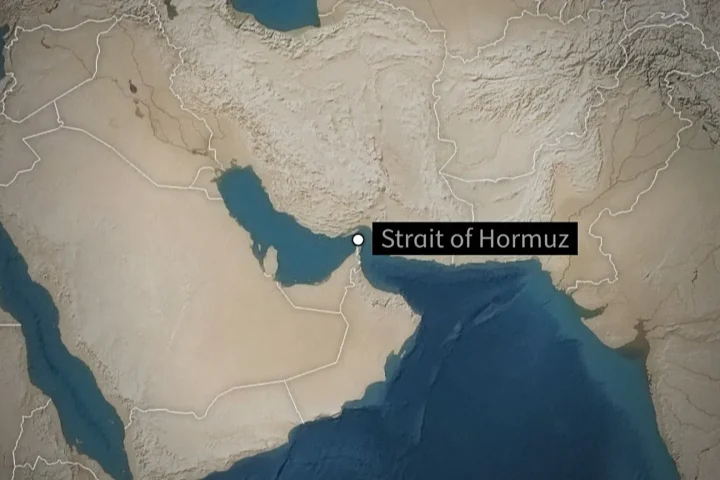
Investors across the world are closely watching developments in the Strait of Hormuz, where shipping activity has nearly halted following threats from Iran and heightened military activity.
Iran war markets shake global stock exchanges
Iran war markets movements were mixed across major financial centres. Stock indexes in the United States, the United Kingdom and Europe recorded gains after several days of heavy losses.
However, Asian stock markets continued to fall sharply for a third consecutive day as investors worried about supply disruptions and rising energy costs.
Some markets in Asia saw such severe declines that circuit breakers were triggered. South Korea and Thailand temporarily halted trading after their stock indexes dropped more than eight percent, a mechanism designed to prevent panic selling.
Energy prices remain volatile as conflict spreads
Iran war markets have pushed oil prices significantly higher since the conflict began. Brent crude oil has risen roughly 12 percent after the United States and Israel launched strikes on Iran and Tehran responded with attacks across the region.
Oil and gas prices dipped slightly during the latest trading session, but they remain well above the levels recorded before the conflict began.
Energy analysts warn that if prices remain elevated, businesses and households could face higher costs for goods and services. Higher fuel costs typically ripple through the global economy because transportation and manufacturing rely heavily on energy.
Strait of Hormuz disruption threatens global supply
Iran war markets are particularly sensitive to developments around the Strait of Hormuz. The narrow waterway between Iran and the United Arab Emirates normally handles about one fifth of the world’s oil and gas shipments.
Shipping traffic through the route has nearly stopped following Iranian warnings that vessels could be targeted.
Industry data suggests around 200 oil tankers are effectively stranded as insurers and shipping companies weigh the risks of operating in the region.
Insurance premiums for vessels connected to American, British or Israeli companies have risen sharply, further discouraging shipping through the corridor.
LNG disruptions ripple through Asian markets
Iran war markets are also affecting liquefied natural gas supplies. QatarEnergy, one of the world’s largest LNG producers, suspended some production operations amid the rising tensions.
Around eighty percent of Qatar’s LNG exports normally go to Asian markets, making the region highly exposed to supply disruptions.
Energy analysts say Asian buyers are now competing aggressively for alternative LNG cargoes, driving prices higher across the global gas market.
These price increases are already influencing European energy costs because LNG imports help balance supply and demand in countries such as the United Kingdom.
Inflation risks rise for global economies
Iran war markets are now raising concerns among policymakers about inflation and interest rates. Economists warn that sustained increases in energy prices could push inflation higher in several countries.
In the United Kingdom, economic forecasters say energy price shocks could raise the overall price level by around one percent if current prices remain unchanged.
Higher inflation could complicate central bank plans to reduce interest rates this year.
Analysts note that energy prices surged far more dramatically after Russia’s invasion of Ukraine in 2022. However, they warn that prolonged disruption in the Gulf could still have significant economic consequences.
Uncertain outlook for markets and energy trade
Iran war markets remain highly unpredictable as the conflict continues to evolve. Governments are discussing ways to secure shipping routes, including possible naval escorts for oil tankers.
However, shipping companies and insurers remain cautious about returning to the Strait of Hormuz while the security situation remains uncertain.
For now, investors appear to be balancing cautious optimism with the growing risk that the conflict could drag on, prolonging instability in global energy markets and financial systems.