
Iran strike escalation concerns are rising after Catholic intellectual groups across Asia-Pacific warned that recent military actions against Iran could ignite a broader regional conflict. The coalition of Catholic professionals and academics called for urgent diplomatic engagement and warned that continued military confrontation risks deepening civilian suffering.
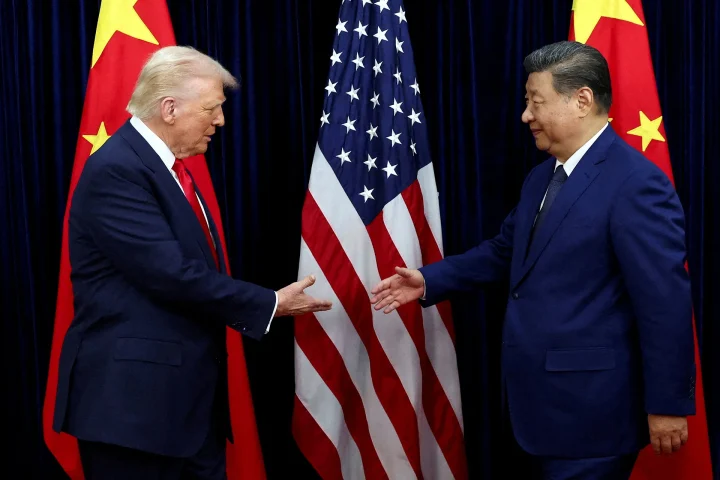
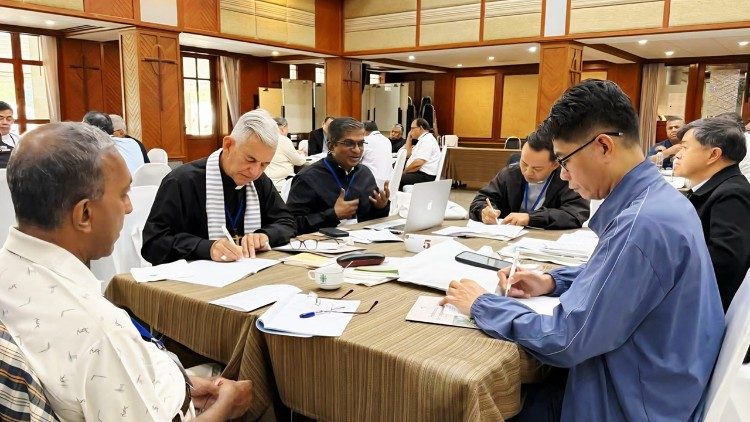
In a public statement released by the International Catholic Movement for Intellectual and Cultural Affairs (ICMICA) Asia-Pacific, the group expressed grave concern over the growing hostilities involving the United States, Israel and Iran.
Iran strike escalation fears raised by Catholic network
The statement condemned military strikes targeting Iranian-linked facilities and warned that reliance on force could push the Middle East toward catastrophic escalation.
ICMICA Asia-Pacific emphasized that preventive military strikes and unilateral actions risk undermining international cooperation and destabilizing an already fragile geopolitical environment.
The organization represents Catholic intellectual and professional associations across several countries including South Korea, Indonesia, Malaysia, the Philippines, India, Sri Lanka and Australia.
Members of the network warned that the conflict could expand rapidly if retaliatory attacks continue or if allied militias across the region become involved.
Middle East tensions deepen after attacks on Iranian sites
Iran strike escalation fears intensified after a series of attacks reportedly targeted Iranian military infrastructure and strategic facilities. Western governments argue the strikes aim to limit Iran’s regional influence and restrict the development of its nuclear capabilities.
Iran has strongly condemned the attacks and described them as violations of international law and national sovereignty.
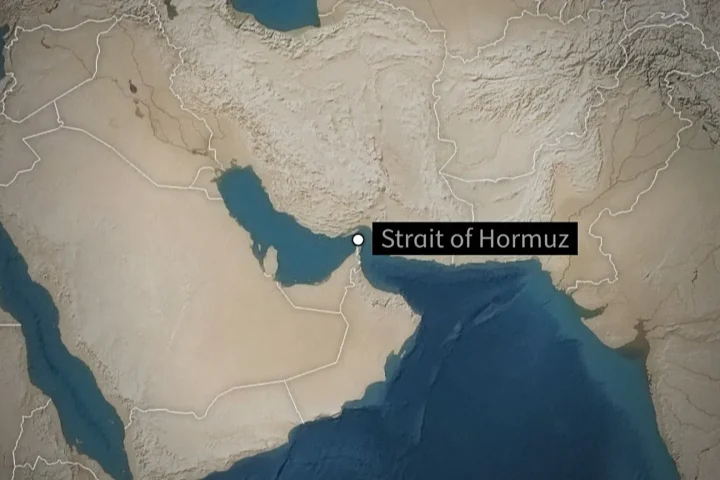
Security analysts warn that Tehran could respond directly or through allied groups operating in Lebanon, Iraq, Syria and Yemen. Such responses could significantly widen the conflict and draw more countries into the crisis.
The Middle East has long remained one of the world’s most volatile geopolitical regions. Rivalries between Iran, Israel, Gulf Arab states and global powers have repeatedly pushed the region close to major confrontation.
Diplomatic negotiations over Iran’s nuclear program have struggled to make progress in recent years.
Efforts to revive the Joint Comprehensive Plan of Action, the nuclear agreement signed in 2015, have stalled amid deep mistrust between Iran and Western governments.
Catholic social teaching calls for dialogue not war
The Catholic intellectual groups framed their statement within the principles of Catholic social teaching, which emphasizes peacebuilding, human dignity and the protection of life.
The network cited the words of Pope Leo XIV, who emphasized that lasting peace cannot be built through threats or weapons but through responsible and sincere dialogue.
According to the coalition, the experiences of many Asian societies that have endured wars, colonial conflicts and geopolitical struggles offer a powerful reminder that violence rarely produces lasting stability.
From this historical perspective, the group stressed that war represents a defeat for humanity rather than a solution to political disagreements.
Civilian suffering remains a major concern
Iran strike escalation also raises serious humanitarian concerns. Catholic leaders highlighted the vulnerability of civilians caught in the conflict, including migrants, displaced people, women, children and religious minorities.
Many communities across the Middle East already face fragile living conditions due to previous conflicts and economic pressures.
The Catholic organizations urged governments, faith leaders and civil society groups to intensify peacebuilding efforts and advocate for dialogue rather than confrontation.
They also called on Catholic communities and interfaith partners worldwide to support prayer initiatives and humanitarian solidarity.
The statement concluded by entrusting the people of the Middle East to divine protection and reaffirming the commitment of Catholic institutions to the global pursuit of peace.