

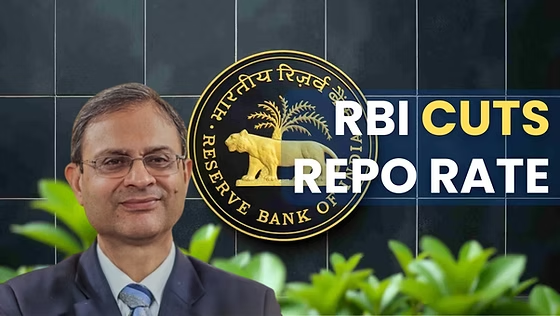
On June 6, 2025, India’s Reserve Bank of India (RBI) delivered a bold 0.5% interest rate cut, lowering the repo rate to 5.5%, the lowest in three years. This third consecutive cut, deeper than anticipated, aims to stimulate Asia’s third-largest economy amid slowing growth and inflation at a six-year low. Here’s what it means for India.
Why the Rate Cut?
RBI Governor Sanjay Malhotra cited growth “lower than our aspirations” at 6.5% for the financial year ending March 2025, down from 9.2% in 2023-24. Inflation dropped to 3.16% in April, below the RBI’s 4% target, driven by cheaper food prices. To boost consumption and investment, the RBI also increased liquidity and shifted its stance to “neutral,” hinting at data-driven future cuts.
Economic Impacts
- Consumers: Lower borrowing costs ease home and car loan EMIs, boosting purchasing power.
- Real Estate: Anuj Puri of ANAROCK Group said affordable housing, hit hard post-pandemic, could see a demand surge, especially in top cities.
- Markets: Indian stocks rallied post-announcement, reflecting optimism.
- Global Factors: A strong rupee, fuller granaries from a robust monsoon, and low oil prices help keep inflation in check, per RBI forecasts.
Why It Matters
India remains the world’s fastest-growing major economy, but global uncertainties and a 20% growth slowdown demand action. The rate cut could lift sectors like real estate, where affordable housing sales fell 15% in 2024, per ANAROCK data. X posts, like @ReutersIndia, praise the RBI’s move, but some, like @EconomicTimes, warn of risks if inflation rebounds.
What’s Next?
The RBI’s neutral stance suggests cautious optimism. With $650 billion in foreign reserves supporting the rupee, India’s economy is poised for growth, but global trade tensions could challenge it.https://www.youtube.com/watch?v=7jKu-OitPGA