
Australia’s ambitious plan to acquire nuclear-powered submarines under the AUKUS security pact faces renewed uncertainty after the Trump administration launched a review of the agreement, raising fears of abandonment among Australian officials and analysts.
The AUKUS deal, forged in 2021 between the U.S., U.K., and Australia, aims to boost Australia’s defense capabilities with advanced nuclear submarine technology in exchange for a stronger role countering China in the Indo-Pacific. The deal is valued at $239 billion (A$368 billion) and is considered a cornerstone of Australia’s future military strength.
But this week, the White House confirmed it is reassessing the deal to ensure it aligns with Trump’s “America First” agenda—a move that has sent shockwaves through Canberra.
Strategic Tensions Surface
The review is being led by Elbridge Colby, a known critic of AUKUS, and reflects rising U.S. concerns about resource allocation. Officials say the Pentagon must prioritize American needs first, particularly amid supply struggles in building its own nuclear fleet.
“Why are we giving away this crown jewel asset when we most need it?” Colby previously asked.
Calm on the Surface, Anxiety Underneath
Australian Defence Minister Richard Marles downplayed the review, calling it a routine part of any leadership transition. But experts believe the underlying message is clear: America’s commitment to Australia is no longer guaranteed.
“No Australian should feel entirely secure about our alliance right now,” warned Sam Roggeveen from the Lowy Institute.
Prime Minister Anthony Albanese has remained silent, likely hoping for a direct meeting with Trump at the G7 summit. Meanwhile, former leaders are divided—with Scott Morrison defending the pact and Malcolm Turnbull urging a rethink.
Sovereignty and Alternatives
The possibility that the U.S. could scale back or withdraw from the AUKUS agreement raises tough questions: Could the U.K. fill the gap alone? Could Australia return to France or explore other partners?
Analyst Roggeveen believes Australia could pivot if necessary.
“We are geographically fortunate,” he said. “With a proper strategy and adequate budget, we can defend ourselves—even without submarines.”
Critics argue Australia has become too dependent on U.S. security assurances, and some political voices are calling for a more independent defense policy.
What’s Next?
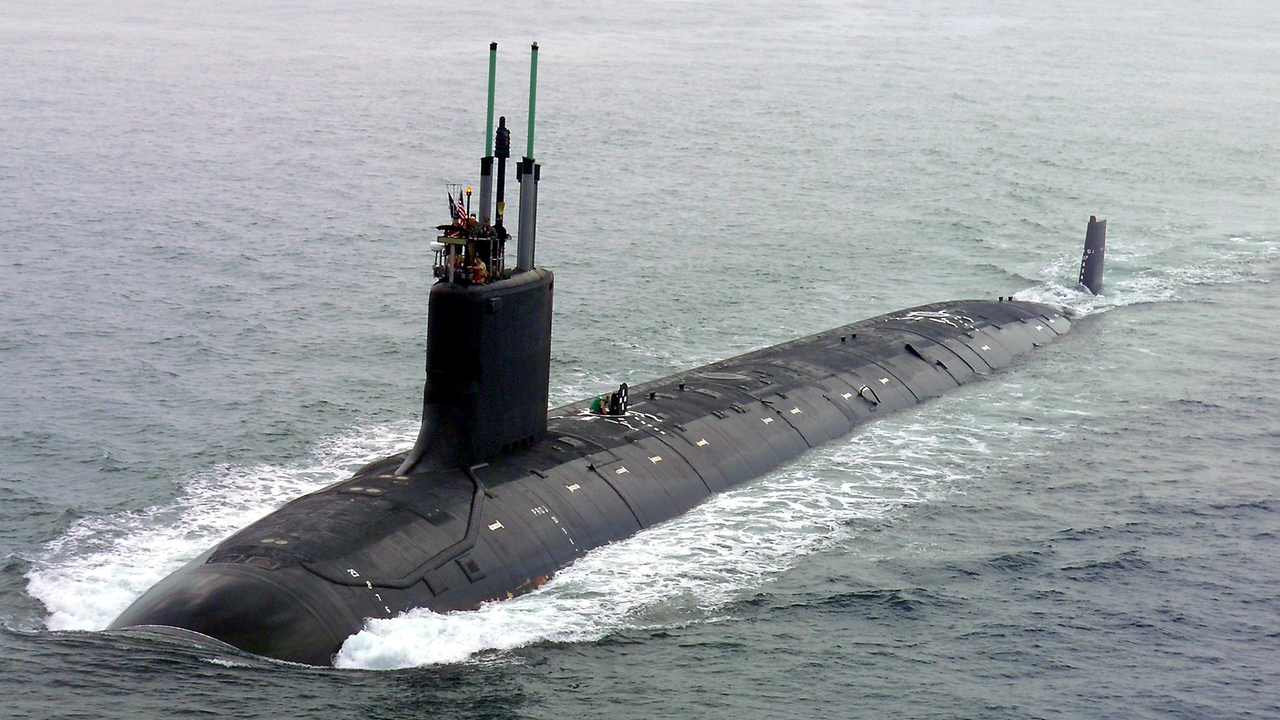
While a full U.S. withdrawal remains unlikely, even a delay in delivering Virginia-class submarines could leave Australia vulnerable with an outdated fleet into the 2040s. As tensions with China rise, the stakes have never been higher.North Korea warship relaunch
The review has cast a shadow over what was once considered a historic pact, and it now stands as a test of Australia’s strategic patience and Washington’s global reliability.https://www.bizmart.asia/politics/uk-warship-taiwan-strait-patrol/