

Fall of a Firebrand: Yoon Suk Yeol’s Martial Law Misstep and the Collapse of South Korea’s Unlikely President
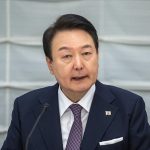
In a stunning fall from grace, South Korea’s Constitutional Court has permanently removed President Yoon Suk Yeol from office after ruling he abused his power by declaring martial law last December. What began as a career built on justice and defiance ended with a catastrophic miscalculation that has left a stain on one of Asia’s most admired democracies.
The Unthinkable Becomes Reality
When Yoon ordered the military to seize control of government institutions in a sweeping martial law decree, the country was left in disbelief. A nation known for K-dramas, tech innovation, and peaceful transfers of power suddenly faced echoes of its authoritarian past.
The decision was rescinded just six hours later, after massive backlash from civilians, lawmakers, and the military itself. But the damage was done.
From Idealist Prosecutor to Isolated President
Yoon’s career began with a deep belief in justice. Friends from his school days described him as ambitious and headstrong. As a prosecutor, he made a name for himself by defying authority—investigating the intelligence service and even jailing a former conservative president.
These defiant actions earned him rare bipartisan appeal, leading to his rise as the People Power Party’s presidential candidate. But once in office, Yoon’s boldness turned into belligerence. He dismissed advice, isolated moderates, and surrounded himself with hardliners.
The Turn to Extremism
According to insiders, Yoon was increasingly influenced by far-right media and conspiracies. He believed the opposition was a communist front taking cues from North Korea. His inner circle thinned as he rejected dissent, blocked parliament’s moves with presidential vetoes, and clashed publicly with lawmakers investigating his wife.
The tipping point came after his party suffered a humiliating defeat in parliamentary elections. Feeling politically cornered, Yoon chose confrontation over compromise. He declared martial law—a move he saw as a way to “save the nation,” but which instead sealed his fate.
The Aftermath
The court’s decision to remove Yoon reflects a rare, swift check on executive power. Former aides, childhood friends, and political allies now describe a man who let paranoia and ego override his earlier ideals.
“He thought he was saving democracy, but he ended up threatening it,” said one longtime confidant. Another described the decision as “something only Yoon could have done”—a tragic culmination of a career marked by unwavering resolve, but devastating misjudgment.
South Korea now begins the difficult task of repairing trust in its democratic institutions. Yoon Suk Yeol, once a symbol of integrity, exits as a cautionary tale of how idealism, unchecked, can spiral into authoritarianism.