

Can Australia Break China’s Grip on Rare Earth Minerals?
China’s decision to halt rare earth exports has reignited global concerns over supply chains for critical technologies. As tensions rise, Australia rare earth minerals strategy seeks to offer a powerful alternative. Prime Minister Anthony Albanese recently pledged A$1.2 billion to build a strategic reserve for critical minerals, including rare earths, aiming to secure both domestic needs and the demands of international partners.
Rare earth elements such as samarium and terbium are essential for electric vehicles, fighter jets, and advanced robotics. Despite significant reserves, Australia refines only a tiny fraction of its extracted minerals. Currently, China controls about 90% of rare earth refining, granting it enormous leverage over global industries.
Why China Restricted Rare Earth Exports
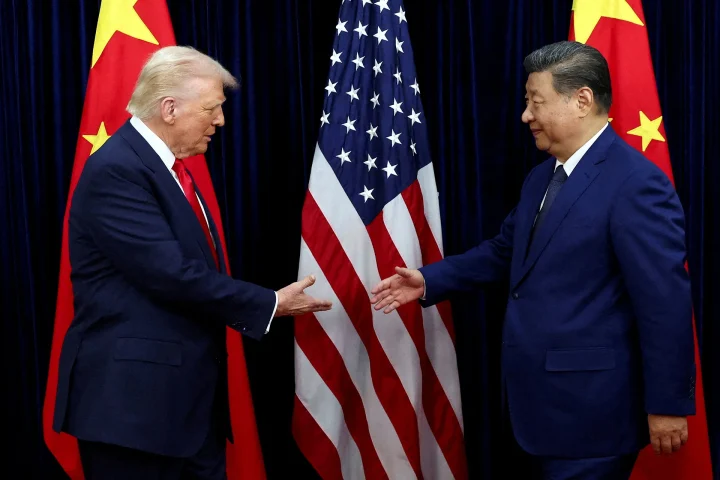
Beijing’s export curbs are widely viewed as retaliation against U.S. tariffs initiated during Donald Trump’s administration. Approximately 75% of U.S. rare earth imports between 2019 and 2022 came from China, exposing a dangerous dependency. Analysts emphasize that while the United States recognized the strategic importance of rare earths late, China was quick to establish dominance.
Prominent voices, including Tesla’s Elon Musk, have warned about the impact. Musk recently noted that China’s restrictions hinder Tesla’s development of humanoid robots, illustrating the strategic weight of rare earths in future technologies.
Australia’s Efforts to Counter China’s Dominance
With its Australia rare earth minerals proposal, Albanese hopes to lessen global reliance on China. His plan includes making minerals available to industries at home and to allies abroad. Although Australia has abundant reserves, the country historically exported raw materials while leaving refining to China.
Efforts to change this are underway. In 2024, Australia opened its first rare earths processing plant in Western Australia, operated by Lynas Rare Earths. Similarly, Arafura Rare Earths received substantial funding to establish the nation’s first integrated mining and refining facility. However, experts predict Australia will still depend on China for refining capabilities until at least 2026.
Strategic and Economic Implications
Economists argue that Australia’s plan is more strategic than previous attempts. Alicia García-Herrero, chief economist at Natixis, highlights that Australia could use its mineral reserves as an economic tool during global tensions. Selling reserves at crucial moments could reduce global prices and weaken China’s ability to manipulate markets.
Nevertheless, challenges persist. Australia faces significant hurdles in building enough refining capacity to meet Western demands independently. Without significant breakthroughs in domestic processing, the West’s rare earth vulnerability may endure.
How the Global Power Dynamic May Shift
The Australia rare earth minerals strategy demonstrates Canberra’s commitment to supporting its Western allies while safeguarding its own economy. Yet, Beijing’s moves underline that China remains willing to weaponize its dominance over critical resources.
Albanese has made it clear that while Australia welcomes trade, it will not “join hands” with China at the expense of strategic independence. The evolving rare earths race signals a broader struggle for technological supremacy — one that may define global politics for decades.