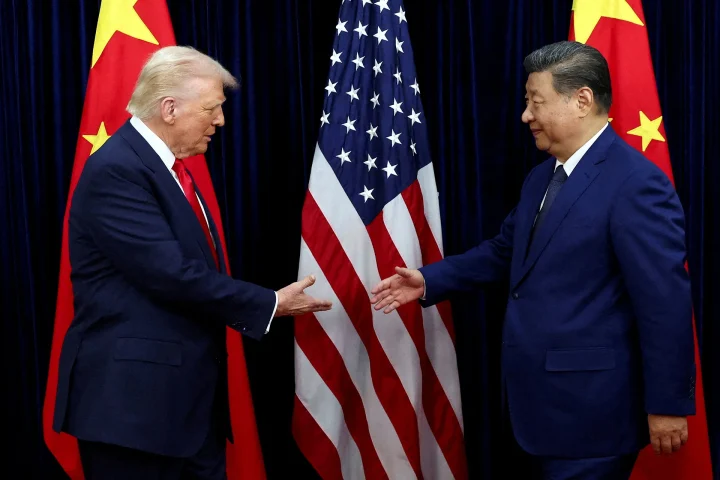


China Japan export delays have significantly impacted the flow of Japanese sake and food items into China. Diplomatic tensions between Beijing and Tokyo have escalated following remarks by Japan’s Prime Minister Sanae Takaichi. In November, Takaichi suggested that Japan might intervene if China took aggressive actions against Taiwan. As a result, China has slowed customs clearances, leading to delays in shipments of Japanese goods.
Diplomatic Fallout Over Taiwan Remarks
The delays in customs clearances are a response to Japan’s stance on Taiwan. Beijing has long viewed Taiwan as a sensitive issue, and Takaichi’s comments further strained the relationship between the two countries. In retaliation, China has applied economic pressure, slowing down exports of Japanese goods like sake. The Japanese Embassy in Beijing has intervened, urging China to ensure that trade procedures remain transparent and fair.
Impact of Delays on Japanese Sake Exports
Japan’s sake exports, valued at ¥11.6 billion ($74 million) in 2024, have been hit hard by the delays. Customs procedures, which typically take a few days, have now stretched to weeks in some cases. In major Chinese ports, including Tianjin and Shenzhen, authorities have asked for detailed information about the transportation routes of sake shipments, particularly asking whether goods passed through regions like Fukushima and Miyagi.
Broader Trade Impact: Seafood and Other Products Affected
The China Japan export delays are part of a larger strategy to exert pressure on Japan. Along with the sake delays, China has also reinstated its ban on Japanese seafood imports. These actions have further strained trade relations between the two nations. In addition to the delays, some joint projects between Japanese businesses and Chinese state-run companies have been postponed or halted, adding to the uncertainty for Japanese exporters.
China’s Strategic Retaliation Amid Economic Slowdown
Amid China’s ongoing economic slowdown, particularly in the property sector, Beijing has opted for selective retaliatory measures. By targeting non-essential goods like sake, China can apply pressure on Japan without causing significant harm to its own economy. This approach allows China to maintain economic stability while still sending a political message.