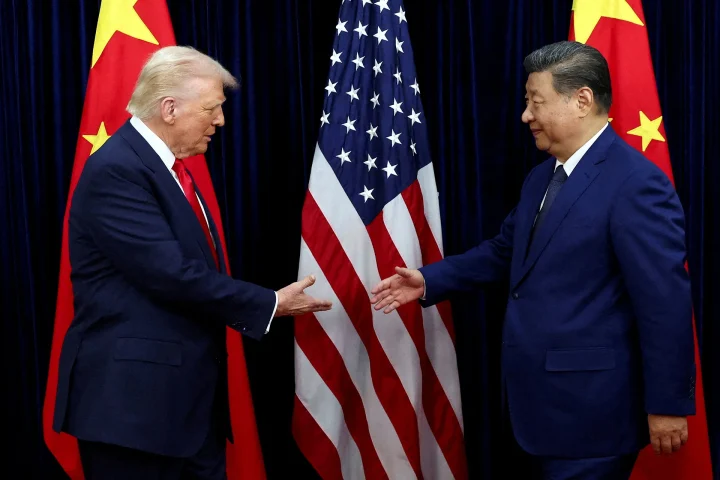


China climate pledge headlines dominated global debate after Xi Jinping announced a 7–10% cut from peak emissions by 2035. The figure marks China’s first absolute target, yet experts warn it falls far short of the 30% cut needed to align with a 1.5°C pathway. The timing amplified the contrast with the United States, as President Donald Trump dismissed climate action at the UN as a “con job.” By pairing its modest target with US retreat, Beijing positioned itself as a responsible power without binding itself to deep reductions.
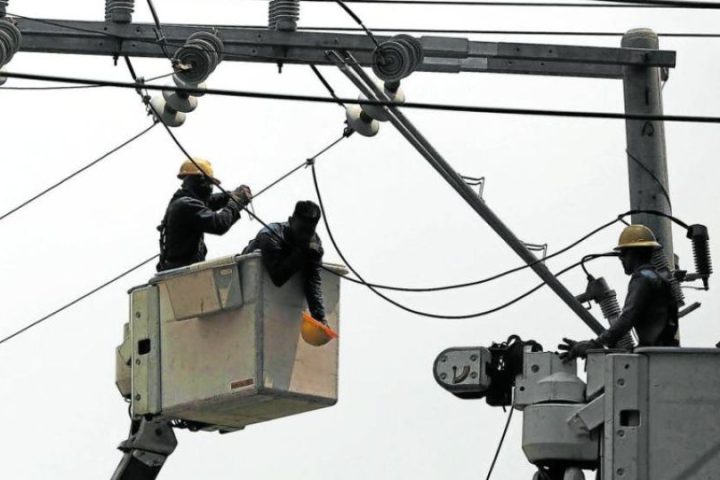
The real story lies in industry, not diplomacy. Beijing continues to approve coal plants while simultaneously expanding wind and solar at record pace. In the first five months of 2025, China added 46 gigawatts of wind—enough to power 30 million homes. At the same time, it approved 25 gigawatts of new coal. This dual track demonstrates the logic: secure energy at home while capturing global leadership in renewable manufacturing.
China already produces more than 80% of solar photovoltaic modules and controls critical supply chains. Xi’s promise to multiply wind and solar capacity sixfold from 2020 levels cements Beijing’s role as the world’s clean energy workshop. Yet coal remains a cornerstone, with new plants under construction in Xinjiang and Inner Mongolia. Officials justify them as “dependable dispatchable power.” Critics argue the baseline of “from peak” emissions encourages provinces to raise emissions before cuts are required, weakening the target’s impact.
Trump’s rhetoric gave China a diplomatic opening. By calling climate change the “greatest con job” and urging nations to abandon renewables, he handed Beijing the mantle of climate responsibility. His false claim that China builds wind turbines but does not use them collapsed against data showing massive domestic wind deployment. Instead of pressing Beijing to match words with action, Washington effectively ceded leadership. For the second time, US withdrawal from the Paris framework left China as default global actor regardless of substance.
The irony is stark. While America retreats, China blends modest climate goals with aggressive industrial expansion. This strategy is not about saving the planet but about supply chains and market power. Renewable energy components now function like strategic resources, much as oil once did. Beijing’s approach ensures it exports the tools of decarbonization while relying on coal to safeguard its own growth. The result is carbon arbitrage: global benefits externalized, domestic energy security internalized.
For the rest of Asia, the lesson is clear. Climate diplomacy has become industrial competition. Japan, for example, invests in renewables while securing liquefied natural gas supplies from Australia, balancing energy security with decarbonization. Nations across the region must now choose whether to accept dependence on Chinese technology or build their own clean energy industries.
Beyond the theater of speeches, perception defines leadership. Beijing looks steady because Washington looks absent. The truth, however, is that neither superpower treats climate as an existential crisis. China pursues manufacturing supremacy and maintains coal dependence; America doubles down on fossil fuel politics. Both prioritize advantage over transformation. For Asia, the future will not be decided in UN halls but in factories, research labs, and trade corridors. The modest China climate pledge may shape headlines, yet the country’s industrial strategy will determine who leads the energy transition.