
Venezuela’s oil industry, once one of the most powerful in the world, has significantly declined, now producing only a fraction of its former output. Despite holding the world’s largest proven oil reserves, estimated at more than 300 billion barrels (around 17% of the global total), Venezuela’s oil production has plummeted in recent decades. Once producing 3.5 million barrels per day in the 1960s and 1970s, production has since dropped to under 700,000 barrels per day by 2021, with only a slight recovery to 960,000 barrels in 2024. This decline has come as Venezuela grapples with economic instability, mismanagement, and the impacts of international sanctions, especially under the leadership of Nicolás Maduro.
What happened under Hugo Chávez?
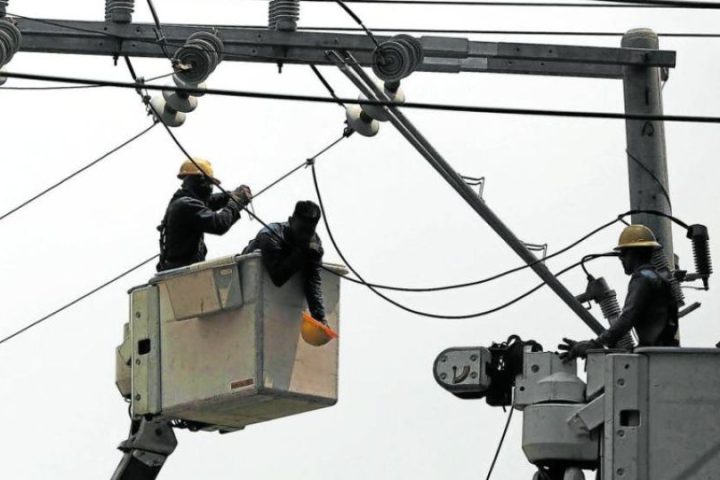
Although oil production did decrease slightly under Hugo Chávez (1999-2013), Venezuela’s oil industry took a much harder hit under Maduro, Chávez’s successor. A combination of corruption, mismanagement, underinvestment, and a lack of maintenance at PDVSA, the state-owned oil company, severely damaged the country’s infrastructure. With political unrest and tightening US sanctions, particularly after 2019, Venezuela struggled to maintain its once-dominant position in the global oil market. The country’s heavy crude oil also became more difficult to process due to sanctions on diluents like naphtha, essential for blending the oil.
What is Donald Trump’s Plan for Venezuela?
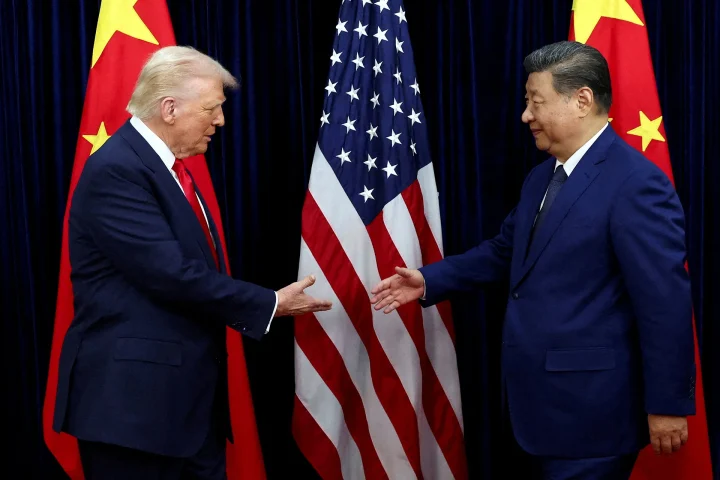
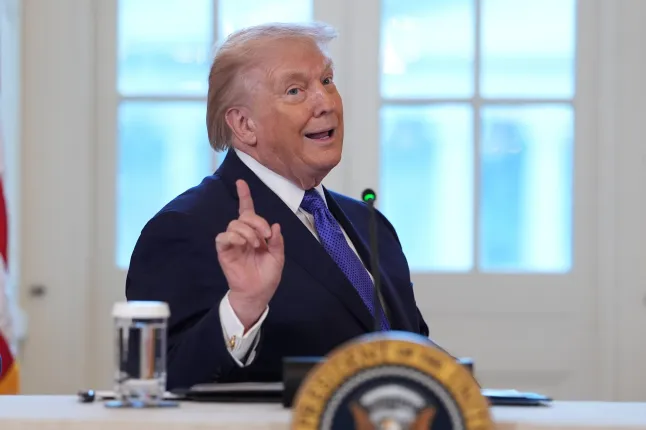
Former US President Donald Trump sought to take control of and revitalize Venezuela’s oil industry by removing Maduro and leveraging American oil companies to fix Venezuela’s deteriorating infrastructure. Trump’s military buildup against Venezuela was initially framed as an anti-narcotics operation, but after Maduro’s removal, Trump famously declared, “We are in the oil business,” signaling an American effort to dominate Venezuela’s oil market. However, questions arose over the involvement of Maduro’s deputy, Delcy Rodríguez, in the US-backed plan, as she was seen as a potential figure to stabilize Venezuela’s oil economy.
Does the US Need Venezuela’s Oil?
Despite being the world’s largest oil producer, the US faces a supply issue: it needs Venezuela’s heavy crude to operate its Gulf Coast refineries, which were built decades ago for processing this type of oil. While the US has become a leader in light crude production thanks to the shale revolution, its refineries remain incompatible with the increasing domestic supply of light oil. As a result, the US continues to import a significant amount of heavy oil, much of it from Canada and, to a smaller degree, Venezuela, despite ongoing sanctions.
Was the Venezuelan Oil Takeover an Easy Win for the US?
Revitalizing Venezuela’s oil industry is no easy task. The country’s crumbling infrastructure, compounded by corruption and a volatile security situation, makes it an unappealing investment for major oil companies. Analysts estimate that doubling Venezuela’s production to two million barrels per day by the early 2030s would require an investment of around $115 billion, an amount far exceeding the annual capital expenditures of major oil companies like ExxonMobil and Chevron. Given the current global oil oversupply and low oil prices, Venezuela’s heavy crude is costly to refine, making it a less attractive option for foreign investors.
Why Hasn’t Venezuela’s Oil Industry Recovered?
Despite the change in leadership, the economic situation in Venezuela remains largely unchanged. Corruption, a military-dominated petrostate, and poor security conditions continue to deter oil companies from investing in the country. Venezuela’s economic reward from the political changes under Trump remains uncertain. The country’s oil infrastructure may have the potential for growth, but without political stability and respect for property rights, it will struggle to regain its former oil glory. As experts argue, the US’s quick action to oust Maduro may not yield the economic benefits it hoped for in Venezuela’s oil industry.