

Oil prices saw a slight increase on Tuesday, driven by geopolitical instability in the Middle East and China’s plans to implement economic stimulus measures. However, concerns about global economic growth, U.S. tariffs, and uncertainty surrounding Ukraine ceasefire negotiations limited gains.
Brent crude futures rose by 36 cents (0.5%), reaching $71.43 per barrel at 0700 GMT, while U.S. West Texas Intermediate (WTI) crude increased by 32 cents (0.5%) to $67.90 per barrel.
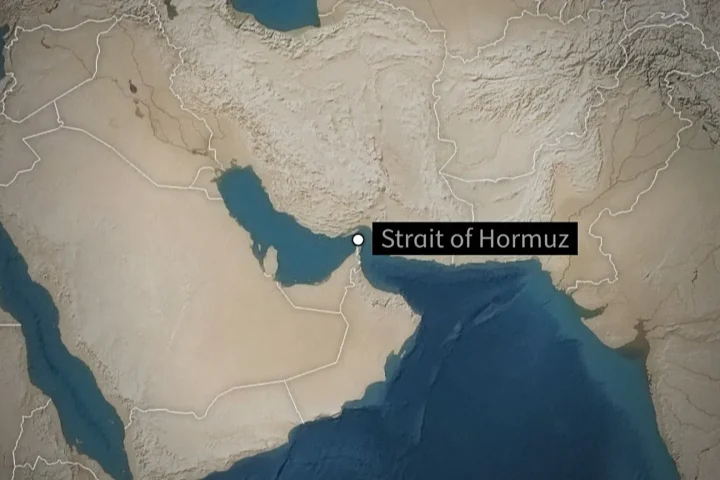
Market analysts at ING attributed the price rise to multiple factors, including U.S. military strikes on Yemen’s Houthi forces, alongside China’s latest efforts to boost domestic consumption. Beijing unveiled a special action plan that includes increasing household incomes and offering childcare subsidies to stimulate spending.
Fresh economic data from China also provided reasons for optimism, as retail sales growth accelerated in January and February, offsetting concerns about weaker factory output and rising urban unemployment. Additionally, China’s crude oil processing rose by 2.1% year-over-year in the first two months of 2024, supported by the launch of a new refinery and increased fuel demand during the Lunar New Year holiday.
Geopolitical tensions also played a role in market movements. President Donald Trump reaffirmed the U.S. commitment to military operations against Yemen’s Houthis, warning that attacks on Red Sea shipping routes would not be tolerated. Trump also reiterated that the U.S. holds Iran accountable for actions carried out by Houthi forces.
In the ongoing Israel-Palestine conflict, Israeli airstrikes in Gaza killed at least 200 people, according to Palestinian health officials. The strikes came after a fragile ceasefire agreement, established in January, failed to hold.
Despite these market pressures, demand concerns persist. The Organisation for Economic Co-operation and Development (OECD) warned that Trump’s tariff policies would negatively impact economic growth in the U.S., Canada, and Mexico, which could dampen global energy demand.
Analysts remain cautious about oil price stability. Robert Rennie, head of commodity strategy at Westpac, projected that global supply increases and trade disruptions would push oil prices down to the mid-$60 per barrel range in the coming months.
Adding to global supply pressures, Venezuela’s state-run oil company PDVSA has outlined contingency plans to continue production and exports from its joint venture with Chevron even after the U.S. license allowing the partnership expires next month, according to documents reviewed by Reuters.
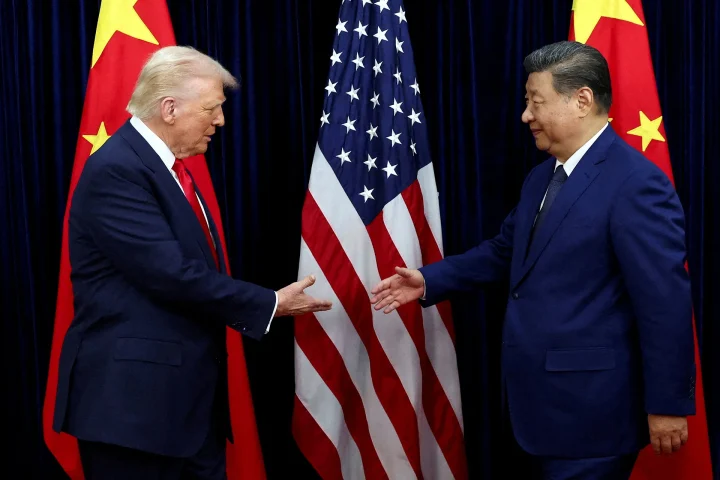
Meanwhile, investors are closely watching ongoing negotiations between Donald Trump and Russian President Vladimir Putin over a possible Ukraine ceasefire deal. A peace agreement could lead to the lifting of sanctions on Russian crude, potentially increasing supply and further weighing on oil prices.