

Thailand Accuses Cambodia of Violating Ceasefire Amid Ongoing Border Clashes
Tensions between Thailand and Cambodia have escalated further as Thailand accuses Cambodia of deliberately violating a newly agreed ceasefire. The ceasefire, which was brokered on Monday, was meant to bring an end to the deadly border clashes that have already killed at least 33 people and displaced thousands.
The Thai military reported that, although they ceased fire after midnight, they continued to receive gunfire from the Cambodian side at multiple locations, even after the ceasefire began. In contrast, Cambodia’s Ministry of Defense denied these accusations, claiming there had been no armed clashes since the ceasefire’s implementation.
An Uneasy Start to the Ceasefire
Despite these accusations, both Thailand and Cambodia held meetings between local military commanders as part of the ceasefire agreement. The talks aimed to ensure that no further shootings would take place and to allow both sides to collect their dead. However, the fragile peace has been short-lived, and continued clashes highlight the deep-rooted issues between the two nations.
The conflict, which has intensified over the past week, erupted after a Cambodian soldier was killed in May, followed by a landmine explosion injuring five Thai soldiers. This escalation led to reciprocal attacks, with Cambodia firing rockets into Thailand and killing civilians. Subsequently, both countries imposed border restrictions, and the diplomatic relations between the two nations reached a new low.
A Century-Old Dispute at the Heart of the Clashes
The ongoing hostilities between Thailand and Cambodia are not new. The dispute over their shared border, particularly around the Ta Moan Thom temple, dates back over a century. Tensions flared in 2008 when Cambodia attempted to register the 11th-century temple as a UNESCO World Heritage site, a move that Thailand opposed.
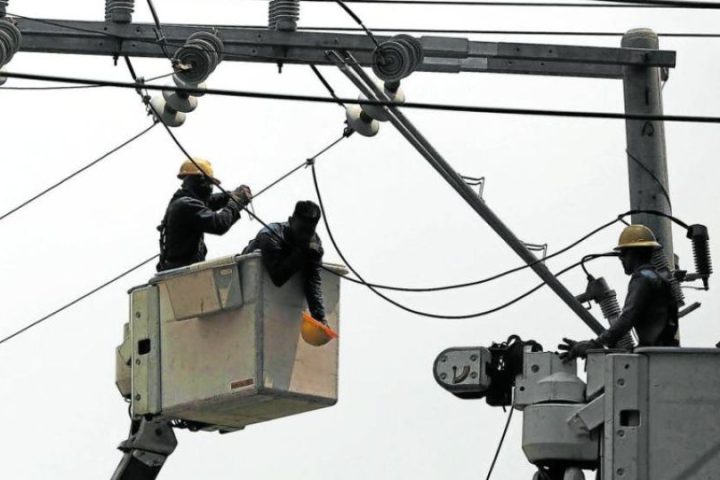
In recent weeks, both nations have strengthened their military presence along the border, with Cambodia banning imports from Thailand and halting essential services such as power and internet. These measures further strained relations and worsened the situation along their borders.
International Pressure and a Possible Ceasefire Agreement
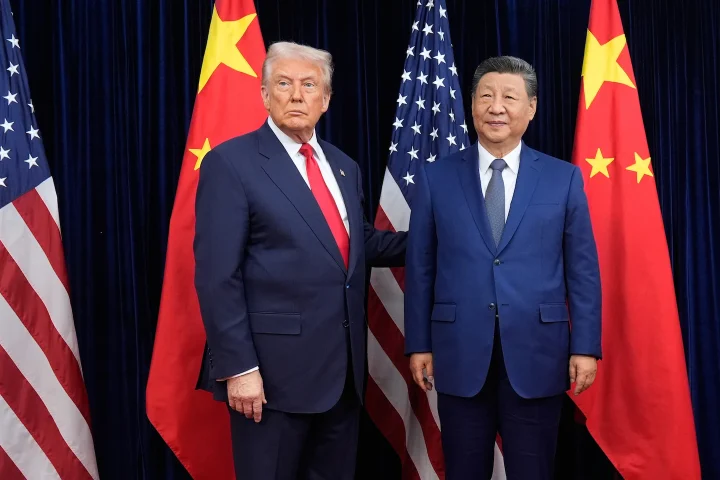
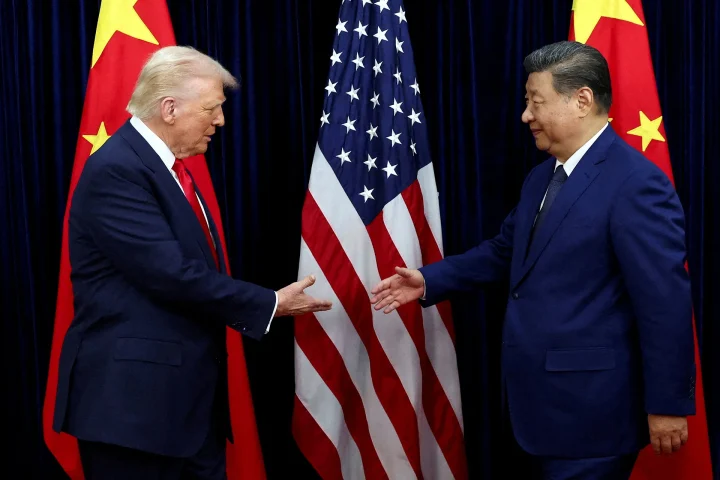
Despite the accusations and continuing hostilities, both Thailand and Cambodia have engaged in talks under the mediation of Malaysian Prime Minister Anwar Ibrahim. These talks resulted in a ceasefire agreement, which was only briefly effective. The involvement of US President Donald Trump, who warned of a halt to tariff negotiations until the fighting stopped, also helped push both sides toward dialogue.
However, experts believe that the ceasefire is unlikely to bring lasting peace, as the root causes of the conflict remain unresolved. The dispute over territorial claims, combined with both countries’ desire to secure strategic advantages, suggests that tensions are far from over.
Ongoing Impact on Civilians
The death toll on both sides continues to rise as civilians bear the brunt of the conflict. Many residents in the border areas have been forced to flee, and the humanitarian situation remains dire. While the ceasefire provides a temporary respite, the underlying issues continue to simmer,https://www.youtube.com/watch?v=_QfjN5DlHgI leaving both countries on edge.