

The Brent oil surge has returned crude prices to levels above $100 per barrel as escalating attacks on shipping and energy infrastructure across the Gulf disrupt global supply routes. Financial markets across Asia reacted quickly, with equities falling and inflation concerns rising as traders assessed the growing risks to the world’s oil supply.
Energy markets dominated trading sessions in Asia as reports emerged of tanker attacks, drone strikes on energy facilities, and rising tensions across key shipping corridors. The Brent oil surge reflects fears that supply disruptions could worsen if instability spreads further across the Middle East.
Brent Oil Surge Triggered by Tanker Attacks in the Gulf
The Brent oil surge intensified after reports that several oil tankers carrying Iraqi crude were attacked near Basra. According to security sources, explosive boats struck three vessels operating in Iraqi waters.
The ships reportedly caught fire and leaked burning oil into surrounding waters. The incident forced authorities to halt operations at nearby oil ports as emergency teams responded.
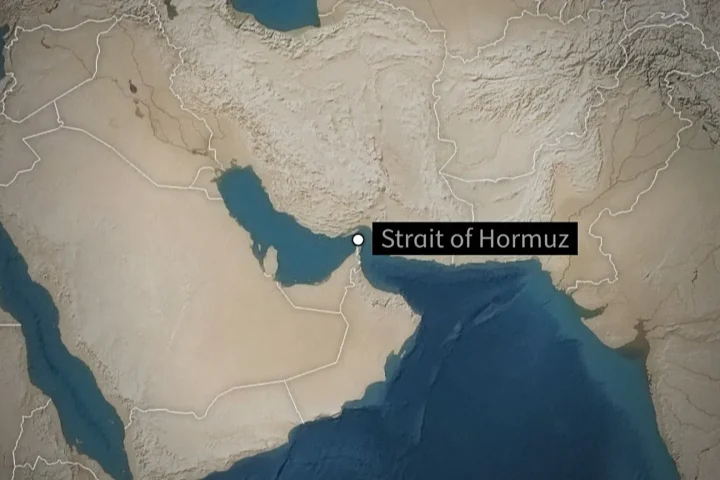
These attacks add to a series of threats targeting merchant vessels moving through Gulf shipping routes, including areas near the Strait of Hormuz, one of the world’s most important oil transport corridors.
Brent Oil Surge Accelerates After Energy Facility Drone Strikes
The Brent oil surge also followed drone attacks on energy infrastructure in Oman. The strikes triggered fires at petroleum facilities and forced authorities to evacuate vessels near the Mina Al Fahal export terminal.
The terminal handles roughly one million barrels of crude exports per day and represents a key energy hub located outside the Strait of Hormuz.
With infrastructure under threat and shipping routes increasingly dangerous, traders began pricing in the possibility of wider supply disruptions across the global oil market.
Brent Oil Surge Persists Despite Strategic Reserve Release
In response to the escalating crisis, the International Energy Agency announced plans to release 400 million barrels of oil from global strategic reserves. The move represents the largest coordinated emergency release of oil stockpiles in history.
The United States confirmed it will contribute 172 million barrels from its Strategic Petroleum Reserve over the coming months.
Despite the intervention, the Brent oil surge has continued as traders remain concerned about the scale of the disruptions and the risks facing Gulf shipping routes.
Brent Oil Surge Sends Shockwaves Through Financial Markets
The oil surge has triggered broader reactions across financial markets. Global equities declined as investors worried that rising energy costs could fuel inflation and increase borrowing costs worldwide.
Japan’s Nikkei index dropped more than 2 percent during Asian trading. Meanwhile, expectations for interest rate cuts in the United States have fallen sharply.
Market pricing now suggests only about 26 basis points of interest rate reductions in 2026 as traders adjust forecasts in response to higher energy prices.
Brent Oil Surge Raises Global Inflation Concerns
The oil surge has revived concerns about global inflation just as many economies were hoping for easing price pressures. Higher oil prices typically push up the cost of transportation, manufacturing, and consumer goods.
Central banks may now face greater pressure to maintain tighter monetary policy if energy costs continue rising.
Analysts warn that the longer supply disruptions persist, the more severe the economic impact could become. Rising oil prices could slow economic growth while increasing inflation across many major economies.
For now, markets remain focused on developments in the Gulf as traders monitor whether further attacks or shipping disruptions could push oil prices even higher.