
China Grants US Scientists Access to Chang’e-5 Moon Rocks in Rare Scientific Exchange
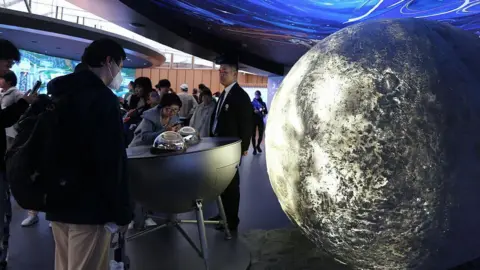
Amid rising trade tensions and limited diplomatic engagement, China has allowed scientists from six countries, including the United States, to study samples collected from the Moon during its Chang’e-5 mission in 2020.
This scientific collaboration, announced by the China National Space Administration (CNSA) on Thursday, includes two NASA-funded US institutions—Brown University and Stony Brook University—marking a rare moment of cooperation between the two geopolitical rivals.
CNSA Director Shan Zhongde described the lunar samples as a “shared treasure for all humanity”, highlighting China’s commitment to global scientific exchange, despite long-standing US legal barriers.
A Break in the Ice Amid Political Chill
Since 2011, NASA has been prohibited by US law from working with China unless specifically authorized by Congress. The restriction stems from concerns over technology transfer and national security.
Despite these restrictions, John Logsdon, former director of the Space Policy Institute at George Washington University, emphasized that the study of Moon samples poses no military risk and is consistent with international scientific norms. “It’s cooperation in science, not in technology,” he told BBC Newshour.
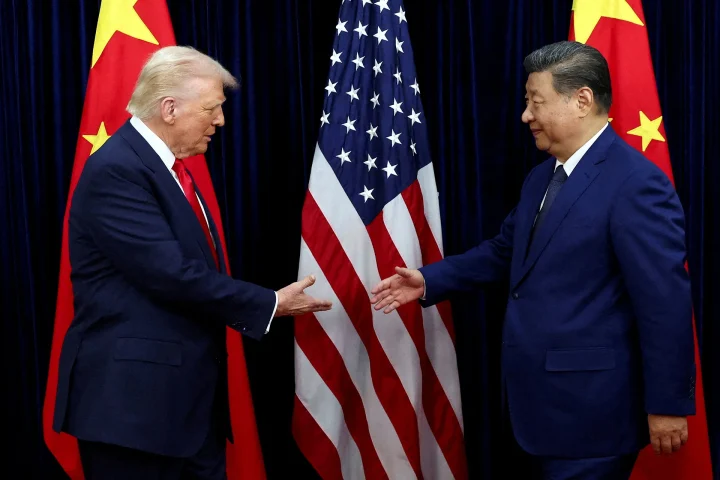
China’s decision to open access to its lunar material is notable given the ongoing US-China trade war, marked by steep tariffs from both sides—up to 245% by the US and 125% by China.
Why Chang’e-5 Rocks Matter
What sets these Moon samples apart, according to Dr. Logsdon, is their age. The Chang’e-5 mission retrieved rocks that appear to be a billion years younger than those collected during the US Apollo missions. This could suggest that volcanic activity on the Moon continued more recently than previously believed.
China had invited international researchers to apply for access in 2023. Besides the US, successful applications also came from France, Germany, Japan, Pakistan, and the UK.
Global Cooperation and Belt and Road Ambitions
CNSA’s Shan reiterated China’s intention to play a more open role in global space research, including through its “space information corridor” initiative under the Belt and Road framework. “China’s circle of friends in space will continue to grow,” he stated.
While last year saw unsuccessful attempts to formally exchange lunar samples between NASA and CNSA, this development could pave the way for future collaboration in scientific fields—even as political and trade hostilities persist.